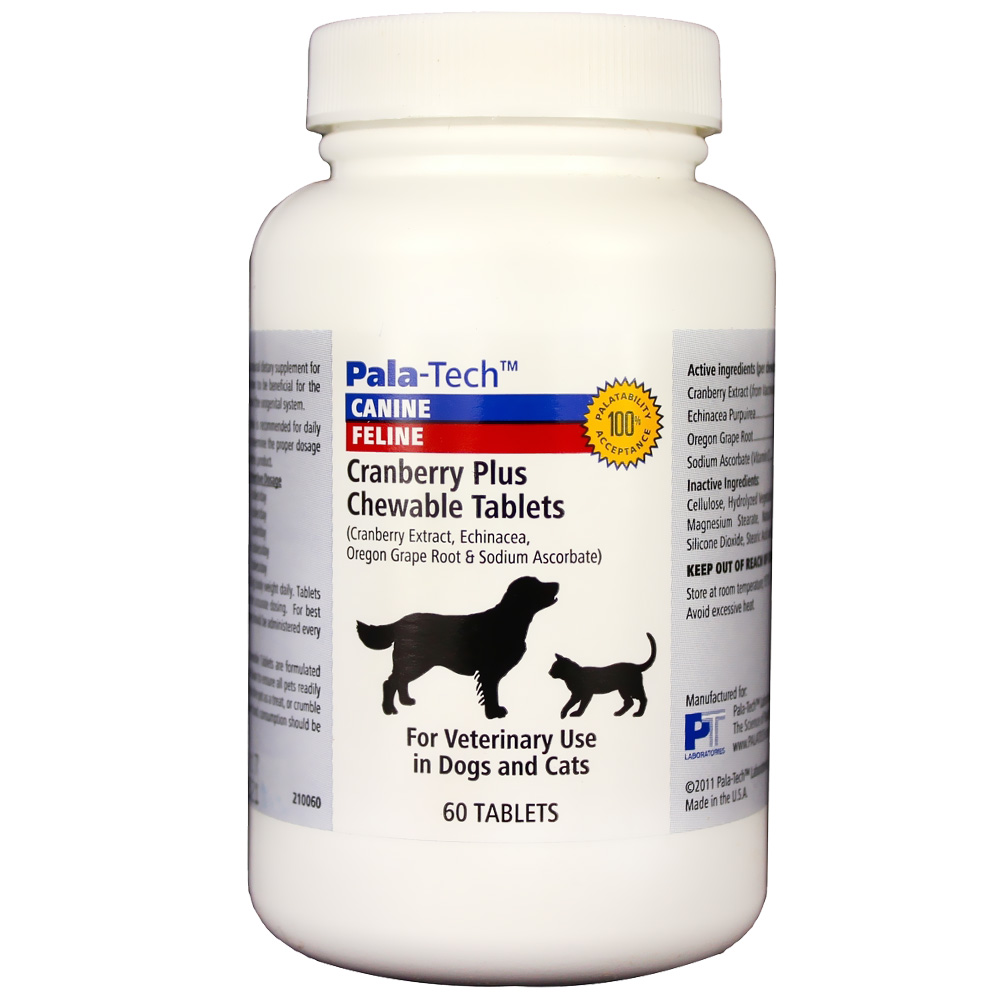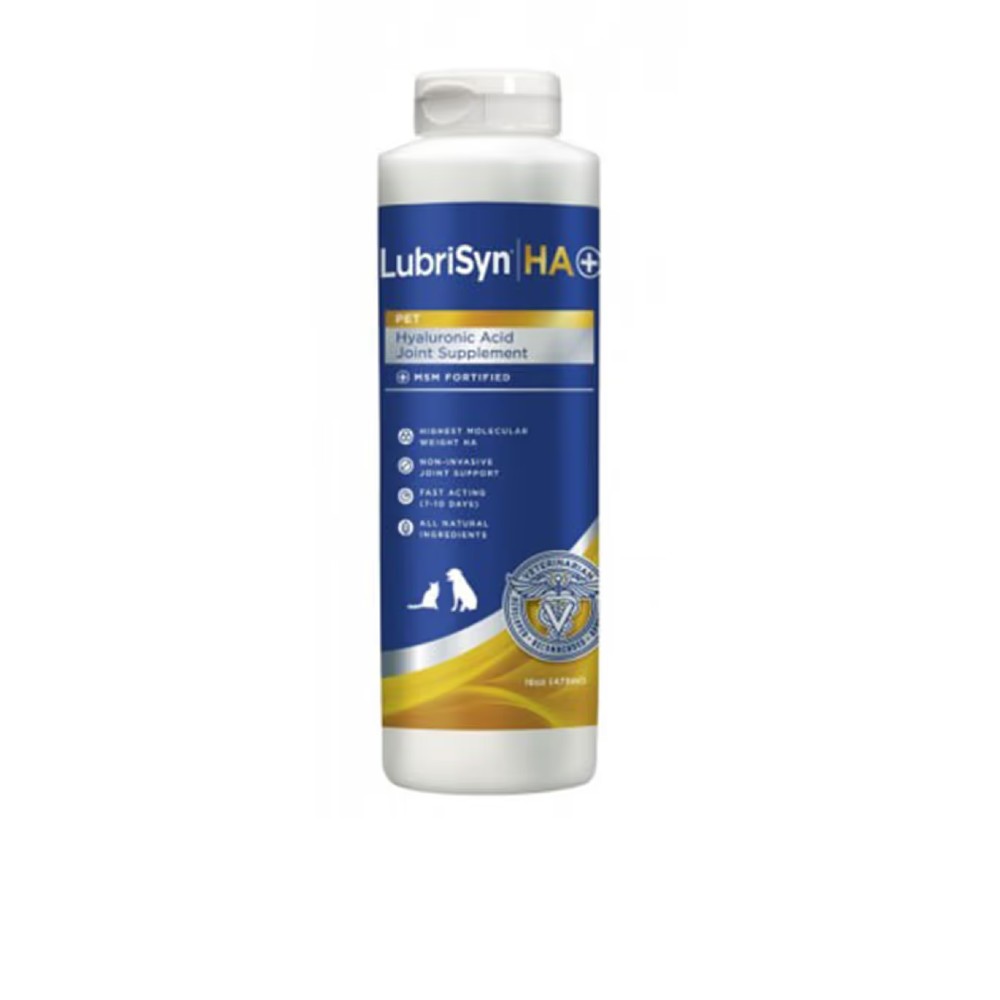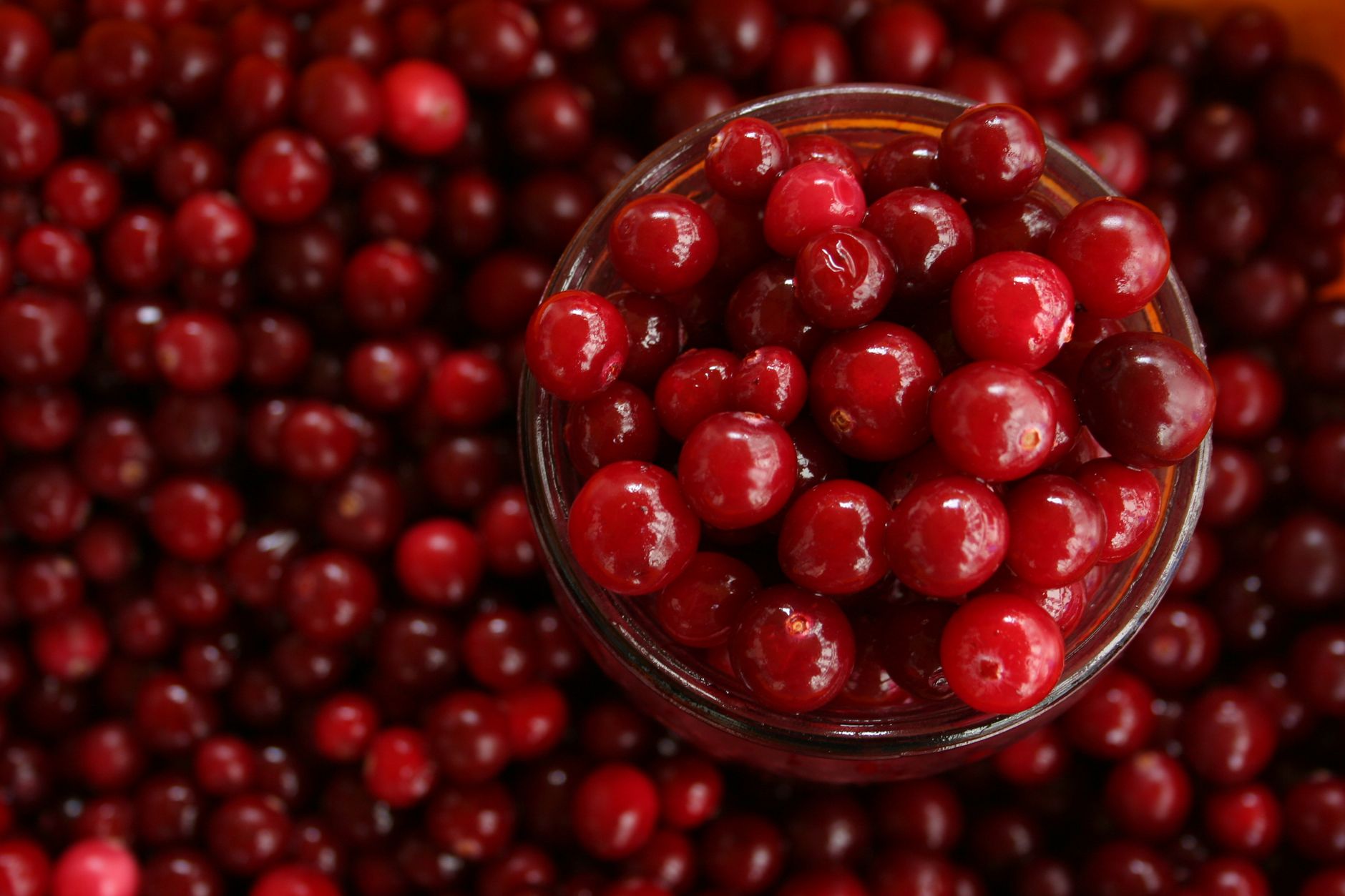
Cranberry is a common ingredient in dog and cat urinary supplements, often promoted for its possible effect on bacterial attachment in the urinary tract. For owners, the more useful question is not whether a product contains cranberry, but whether the pet has urinary signs, whether the formula is appropriate, and whether supplementation could distract from a needed examination. Current evidence suggests cranberry may have a supportive role in selected situations, but studies in dogs and cats remain limited and uncertain. It should not be treated as a substitute for diagnosis, prescription treatment, hydration planning, or follow-up care. This guide separates the research theory from practical decisions about products, safety, and veterinary warning signs.
What the research actually shows
Compounds found in cranberries, including proanthocyanidins, have been studied for their possible effect on uropathogenic E. coli attachment. Some laboratory work involving canine and feline urinary cells has reported changes in bacterial adhesion, but laboratory findings do not automatically translate into reliable clinical outcomes after a pet eats a supplement. Recent evidence reviews describe the available dog and cat studies as few, small, and insufficient for confident conclusions about prevention or treatment of infectious urinary disease. In practical terms, cranberry may be discussed as a nutritional add-on in a carefully selected case, but it is not a first-line response to urinary discomfort, blood in the urine, or difficulty urinating.
Dogs and cats need different decision-making
Some canine urinary infections involve bacteria, and dog research has often focused on E. coli-related mechanisms. Even so, clinical evidence remains mixed, and one small study cannot establish that every dog will benefit. Cats require additional caution because lower urinary tract signs may be linked to bladder inflammation, stress, crystals, stones, or obstruction rather than a bacterial infection. Cranberry would not address every one of these causes. A male cat repeatedly entering the litter box, straining, and producing little or no urine needs prompt veterinary assessment, not a trial of a supplement.
- Dogs: For recurrent urinary problems, ask a veterinarian whether urinalysis and culture are appropriate before adding a supplement.
- Cats: Frequent trips to the litter box, blood, straining, or inappropriate urination should be investigated rather than assumed to be a simple infection.
- Puppies, kittens, and senior pets: Age, chronic disease, dehydration, and medication use can change the risk profile, so professional guidance is especially useful.
How to evaluate a cranberry product
Pet products may contain cranberry powder, an extract, or a standardized amount of a cranberry-related compound. These forms are not automatically interchangeable, and labels do not always make the difference clear. Look for a complete ingredient panel, amount per serving, species and weight guidance, manufacturer information, and clear feeding directions. A label that only says “urinary support” without explaining the active ingredients makes long-term evaluation difficult. Human cranberry juice, sweetened dried fruit, and combination tablets should not be used as direct substitutes because they may contain sugar, sweeteners, flavorings, or other ingredients that are unsuitable for pets.
A practical checklist includes:
- Choose a pet-specific product with transparent ingredients and feeding instructions.
- Avoid products containing xylitol, alcohol, caffeine, grapes, or excessive added sugar.
- Do not convert an adult human serving into a pet dose.
- Ask a veterinarian to review the full ingredient list if the pet eats prescription food or takes medication.
When cranberry may not be a sensible choice
Cranberry is not automatically appropriate for every dog or cat. Cranberries contain oxalate-related compounds, so a pet with a history of calcium oxalate crystals or stones, kidney disease, or a diet designed for urinary management may need an individualized decision. Gastrointestinal upset is also possible; vomiting, diarrhea, reduced appetite, or a clear change in behavior should prompt a pause and a call to the veterinary clinic. “Natural” does not mean risk-free, and adding several urinary products at once makes it harder to identify the cause of an adverse reaction.
Basic routines often deserve priority over a single ingredient: provide clean water, keep litter boxes accessible and clean, offer dogs regular opportunities to urinate, and monitor changes in urine volume, color, and posture. In multi-cat homes, enough litter boxes placed in separate, low-stress areas can make daily observation easier. These steps do not rule out disease, but they can help owners notice changes earlier and give the veterinarian more useful information than a supplement label alone.
Urinary warning signs that should not wait
Frequent urination, straining, crying while urinating, blood in the urine, repeated licking of the genital area, sudden house-soiling, or unusually small urine clumps all warrant veterinary attention. If a male cat strains repeatedly but produces almost no urine, especially with vomiting, weakness, loss of appetite, hiding, or a firm abdomen, treat it as an emergency. Dogs with recurring urgency, cloudy urine, blood, or pain may have infection, stones, prostate disease, or another condition that requires testing. A veterinarian may recommend urinalysis and, when appropriate, culture, imaging, or blood work before deciding whether a supplement belongs in the care plan.
A practical takeaway for pet owners
Cranberry has a plausible biological rationale and some laboratory findings, but current dog and cat evidence does not support treating it as a dependable urinary solution for every pet. For a healthy animal without a relevant stone history, a clearly labeled pet product may be discussed as an optional nutritional supplement; for an animal with urinary signs, examination and identification of the cause come first. Compare the ingredient amount, feeding instructions, ease of use, and ongoing cost rather than relying on broad marketing claims. This article provides general health information and does not replace veterinary diagnosis or treatment advice.