Calming supplements are often considered for dogs and cats that fear thunderstorms, struggle with visitors, become tense at the veterinary clinic, or have difficulty adjusting to a move. L-tryptophan, L-theanine, and alpha-casozepine are among the ingredients most commonly discussed. The careful answer is that some products may be useful as part of a broader behavior plan, but the evidence is mixed and no supplement should be treated as a stand-alone answer to anxiety. Fearful behavior can also reflect pain, illness, past experiences, environmental change, or ongoing stress, so the underlying cause matters.
What L-tryptophan can and cannot tell us
L-tryptophan is an amino acid used in the body to make serotonin, which is why it appears in many diets and supplements marketed for emotional support. Studies have found links between tryptophan metabolism and fear-related behavior in dogs and cats, but an association does not prove that adding more tryptophan will reliably change behavior. Evidence reviews in adult dogs describe inconsistent findings: some studies report changes in anxiety-related behavior, while others find no meaningful difference. It is more accurate to view tryptophan as a possible adjunct than as a proven treatment for every anxious pet.
Before use, owners should check whether the product is a complete therapeutic diet, a veterinary supplement, or a single-ingredient formula. Human products may contain 5-HTP, caffeine, herbs, sweeteners, or other ingredients that are not appropriate for animals. Extra caution is needed when a pet has liver or kidney disease, is pregnant or nursing, or takes medication that affects serotonin. A veterinarian should review the full label and the pet’s current diet and medication list before supplementation.
Alpha-casozepine and combination formulas
Alpha-casozepine is derived from a milk-protein breakdown product and is often combined with L-tryptophan, DHA, or other nutrients in diets designed for dogs and cats under stress. Some feline research has observed differences in activity and rest patterns in unfamiliar settings when cats received diets containing alpha-casozepine and tryptophan. Canine studies have also reported changes in situations such as stranger fear, touch sensitivity, or nail trimming. However, the products, doses, environments, and animals differed between studies, so the results cannot be applied identically to every pet.
A combination product also makes it difficult to identify which ingredient, if any, contributed to a change. Owners should therefore look for clear labeling, an intended species, serving information, and appropriate quality controls rather than relying on broad claims such as “natural calming.” A simple behavior log can be useful: record hiding, panting, vocalization, appetite, sleep, licking, destruction, or aggression before and during the trial. A pet appearing quiet for one day is not enough evidence of a consistent benefit.
Why research findings are often inconsistent
Behavior studies are harder to interpret than measurements such as weight or a blood value. A dog may react differently in a laboratory, at home, in a clinic, or during fireworks; the owner’s observations, breed, age, learning history, baseline diet, study duration, and evaluation scale can all influence the result. Current veterinary evidence supports a cautious interpretation: some animals may show a modest response, while others show little or no observable change.
Owners may also mistake natural recovery, increased companionship, environmental changes, or simultaneous training for an effect from the supplement. To make observations more useful, keep other care routines stable when possible and record the specific trigger, intensity, duration, and recovery time. If the pet is injuring itself, biting, refusing food, pacing continuously, or showing severe distress, waiting for a supplement to work is not an appropriate safety plan. Veterinary assessment should take priority.
Behavior and environmental care still matter most
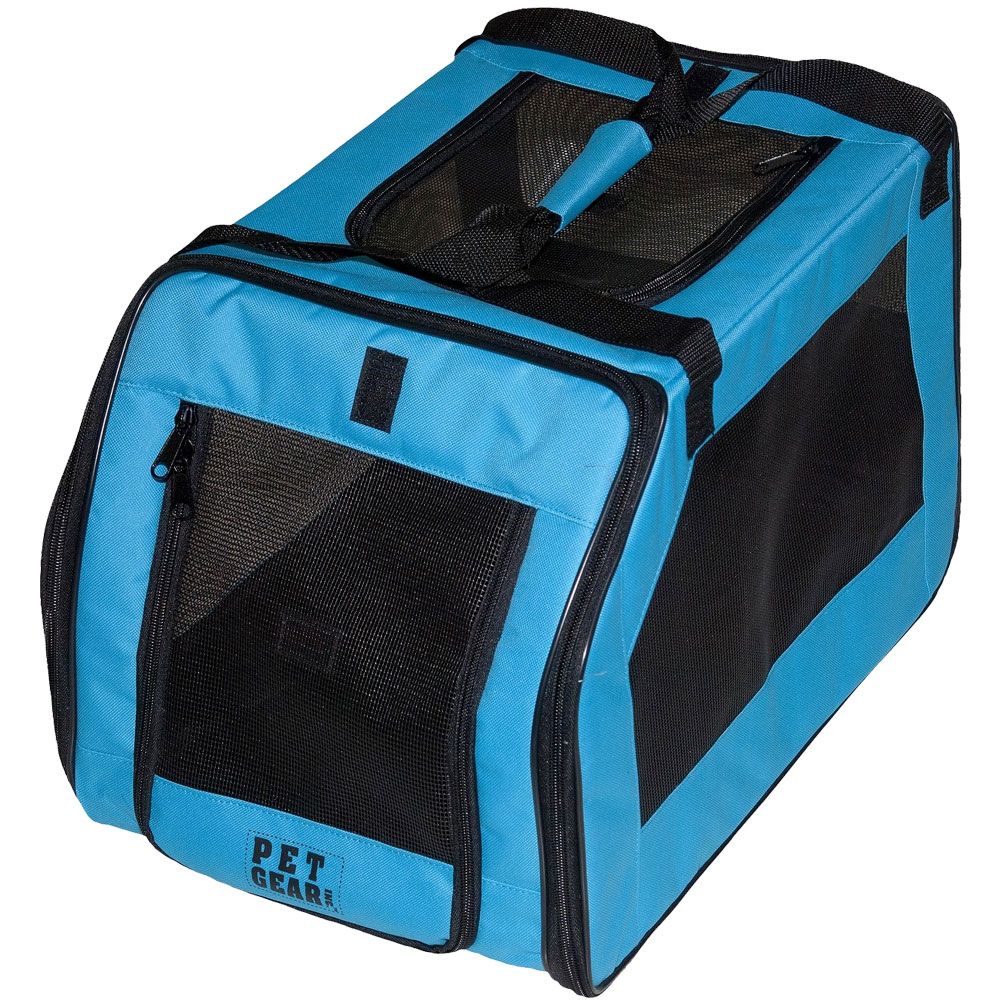
For a noise-sensitive dog, closing windows, creating a quiet retreat, using gradual sound desensitization, and rewarding calm behavior may be more important than adding one nutrient. Cats often need predictable routines, hiding places, vertical space, familiar scents, and the ability to retreat without being forced out. Before a move, boarding stay, new pet, or clinic visit, carrier training and brief, low-pressure exposure can make the situation more manageable.
- Identify possible triggers, including noise, separation, strangers, pain, and competition over food or resting areas.
- Track observable signs such as panting, drooling, hiding, barking, vocalizing, destruction, and appetite changes.
- Introduce difficult situations gradually and avoid exposing the pet to an intensity it cannot tolerate.
- Arrange a medical examination when behavior changes suddenly or without an obvious environmental explanation.
Safety checks before and during use
“Natural” does not mean automatically safe for dogs and cats, and it does not guarantee compatibility with medication. High doses or unclear formulas may cause digestive upset, drowsiness, agitation, or other unexpected reactions. Human products containing 5-HTP should not be given casually; excessive exposure can cause serotonin-related toxicity in animals. Tremors, marked agitation, increased body temperature, abnormal movement, repeated vomiting, or altered awareness require prompt veterinary contact or emergency care.
Take the package, ingredient panel, feeding plan, medication list, and other supplements to the veterinarian before starting. Avoid changing several products at once because it becomes difficult to identify the source of a reaction or apparent improvement. Do not increase the serving simply because the first few days show no visible change. When anxiety, fear, or aggression is affecting safety or daily life, a veterinarian may recommend a combined plan involving behavior work, environmental management, and prescription medication rather than relying on a supplement alone.
A practical way to judge whether a supplement is worthwhile
Tryptophan and related ingredients are not unsupported ideas, but a label saying “calming” is not enough to establish a reliable result. A reasonable expectation is that some dogs or cats may use a clearly labeled, veterinarian-reviewed product as one part of a larger care plan after medical causes have been considered. Research on tryptophan remains mixed, and veterinary references generally describe nutrition-based calming formulas as adjunctive options rather than independent therapies.
Start with a baseline record of the pet’s behavior and discuss the target outcome, trial period, and stopping rules with a veterinarian. Sudden personality changes, pain signs, refusal to eat, self-injury, aggression, tremors, or altered awareness require professional attention rather than prolonged home observation. This article provides general pet-health information for reference and does not replace diagnosis, prescribing, or individualized veterinary advice.