Why a pet bed should be chosen for more than looks
A pet bed may look like a simple soft cushion, but in practice it affects sleep posture, body size, age, and daily routines. For some dogs and cats, the height of the bolsters determines whether they will settle in at all; for others, support, airflow, and surface texture matter much more than appearance. When owners choose only by color or style, the bed often ends up sitting unused in a corner.
A more practical approach is to start with observation. Notice whether the pet curls up tightly, stretches out, sleeps with a head tilt, or likes to press against edges before selecting a bed shape. A cat that loves compact spaces may prefer a semi-enclosed nest, while a dog that sprawls on its back usually needs a flatter sleeping surface. These small details often decide whether the bed becomes a real resting spot or just another household item.
Match the bed shape to the way the pet sleeps
Sleeping posture is the clearest clue when choosing a bed. Cats and small dogs that curl up often fit best in beds with raised sides, a hooded design, or a nest-like shape, because the enclosed feel matches their instinct to tuck in. On the other hand, pets that sleep with their legs stretched out may find high edges or narrow interiors uncomfortable and may prefer to sleep on the floor instead.
Behavior before sleep also matters. Some pets circle, scratch, or knead before settling down, which often means they care about stability and texture. In those cases, a bed with a non-slip base, a firm inner cushion, and a surface that does not slide around is usually a better choice. For older pets, entry height should be checked carefully, since a tall bolster can make getting in and out unnecessarily difficult.
Adjust the material to the season
In climates with humid summers and cooler winters, one bed rarely works well all year. Summer beds are usually better when they are breathable, easy to wash, and made with lighter materials that do not hold heat. If a bed traps warmth too much, a pet may start choosing tile floors or other cool surfaces instead. In winter, thicker padding, plush fabric, and fuller bolsters can create a warmer resting zone.
Homes with both air-conditioned rooms and warmer shared spaces may benefit from more than one bed. A daily-use bed can be placed in the living room, while a softer bed stays in the bedroom for longer rest. This setup gives the pet a choice based on temperature and routine, and it is often more practical than buying one oversized bed that is supposed to do everything.
Size and support matter just as much as softness
Many owners think a larger bed is always better, but size should match the pet’s real sleeping habits. A bed that is too large can feel open and exposed, especially for pets that prefer a tucked-in feeling. A bed that is too small restricts turning and stretching, which makes resting awkward. The goal is enough room to lie down, curl up, and shift position without feeling cramped.
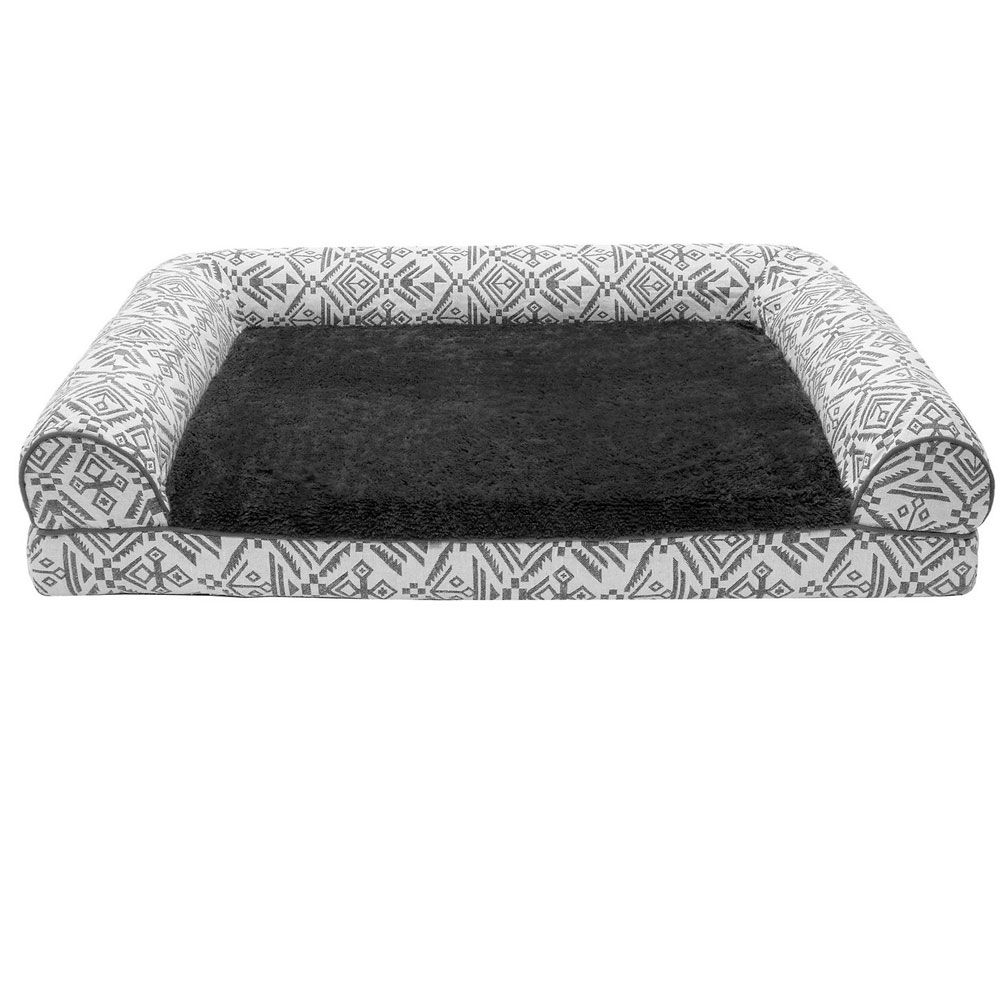
Support is equally important. Beds that are too soft may let heavier dogs sink in too deeply, making it harder to stand up comfortably. Beds that are too firm can leave bony areas in direct contact with the floor and feel unsatisfying to sleep on. For larger dogs, senior pets, or pets with a heavier build, a stable mattress that keeps its shape is often more suitable than a fluffy but unstable cushion.
Cleaning and durability are part of the decision
A bed is not a one-time purchase. Cleaning convenience and durability shape how often it will actually be used. Pets that shed heavily, drool, or spend time outdoors often need a bed with a removable cover, quick-drying fabric, and materials that can handle repeated washing. If the bed is hard to clean, odor, hair, and dust build up quickly, and many pets will begin avoiding it.
Construction details also deserve attention. Seams, zippers, filling, and corners should be sturdy enough for pets that dig, chew, or scratch before lying down. Instead of focusing only on prints or decorative styles, it is wiser to check whether the bottom stays stable, whether the filling clumps after washing, and whether the cover keeps its shape over time. A bed that is easy to maintain is usually the one that stays in daily use.
Make the final choice based on the pet’s habits
For cats, the main questions are usually about privacy and security. For dogs, owners should watch whether the pet likes to lean against something, stretch fully, or bring toys to bed. In multi-pet homes, competition for space can also matter, since some pets are sensitive to another animal’s scent. In those cases, two different beds in different corners may work better than one shared spot.
A simple trial method works well: observe first, place the bed, then adjust. Choose a bed that fits the pet’s posture and the season, set it in a familiar resting area, and watch for one or two weeks. If the pet only steps on it briefly but never settles in, the size, material, or location may still be wrong. Slow adjustments are usually more effective than buying the most expensive model on the first try.