Bathing a pet looks like a simple routine, but the shampoo behind that routine can influence skin comfort, coat quality and even how often a vet needs to get involved. Many owners stand in front of a long shelf of bottles, unsure which one is truly suitable for their dog or cat. A poorly chosen product may leave skin dry and itchy, make the coat dull, or cause discomfort when the animal licks its fur after a bath. In more serious cases it can interfere with ongoing treatment for skin problems. This article walks through practical questions owners often ask: should selection start from skin type or age, can dogs and cats share the same shampoo, and how often are “flea” or “antibacterial” formulas appropriate? The goal is to support safer, more informed decisions based on veterinary guidance and owner responsibility. All information is for general reference, and specific health concerns should be discussed with a veterinarian.
Understand your pet’s skin type before looking at the bottle
Before comparing scents or marketing claims, it helps to understand the pet’s skin and any existing concerns. Dog and cat skin is not the same as human skin; the pH is different, they have fur covering most of the body, and humidity and lifestyle also play a role. In practice, owners can think in broad groups such as dry skin, oily skin, long coats that tangle easily, and animals with a history of seasonal itch or diagnosed skin disease. In places with hot, humid weather but widespread air conditioning, a pet might spend most of its time indoors in dry air, while still experiencing outdoor heat and moisture during walks. This can create mixed skin conditions that are not purely “dry” or “oily.” Owners can watch for flakes on the coat, unusual odour, red patches or an obvious increase in scratching. If a vet has already mentioned issues such as allergic dermatitis or fungal infection, shampoo choice should follow medical safety first rather than focusing on strong cleansing power or long‑lasting fragrance.
Dogs vs cats: is one shared shampoo ever a good idea?
Multi‑pet households often ask whether one shampoo can be used for both dogs and cats. Many retail products clearly label the intended species, while some state “for dogs and cats” on the package. The main concern is that cats groom themselves by licking their fur more frequently, so whatever remains on the coat is more likely to be ingested. Strong fragrances, certain essential oils or harsher surfactants may be more irritating or risky for cats than for dogs. If a bottle does not clearly state that it is safe for cats, or if a cat already has a history of allergies or skin issues, it is safer to choose a cat‑specific formula or one recommended by a veterinarian. In homes with only dogs, a “dog and cat” label is not automatically a sign of better quality; owners still need to match shampoo choice to the dog’s coat, outdoor activity level and previous medical history rather than relying on the idea that a shared product is suitable for every situation.
Popular functional shampoos: flea, antibacterial and deodorizing
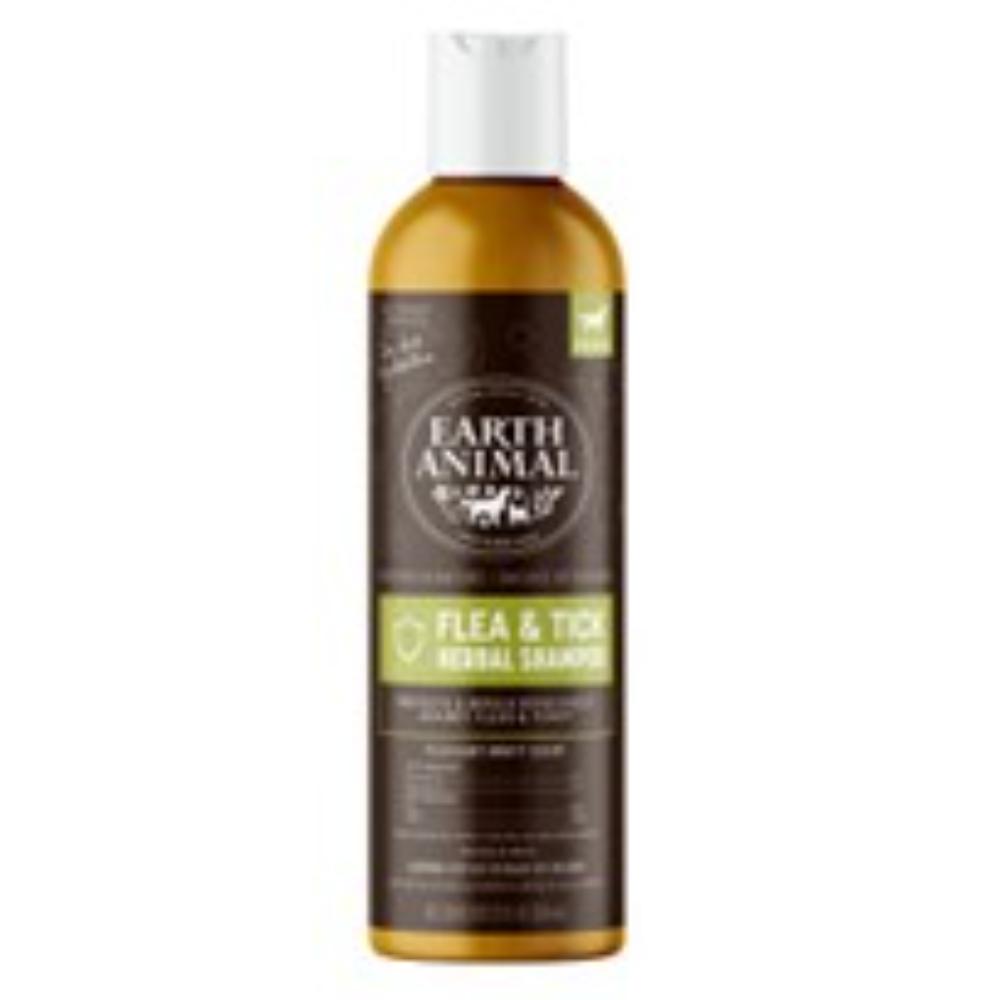
Shampoos with extra functions look convenient but can easily be misused as everyday all‑purpose products. Flea and tick shampoos usually contain ingredients aimed at external parasites and are often meant to complement registered spot‑on or oral preventives, not replace them. Medicated antibacterial or antifungal shampoos are commonly used under veterinary guidance as part of treatment plans for diagnosed skin disease. If these are used long term on otherwise healthy skin without a clear reason, the skin barrier may become drier or more fragile. Deodorizing shampoos can be helpful after muddy hikes, beach trips or for pets with strong body odour, but the source and intensity of the fragrance still matter; overly strong scents may bother sensitive animals. In most cases, functional shampoos are best kept for specific problems or short periods, while a mild, clearly labelled, vet‑approved basic shampoo serves as the main option for routine baths.
Matching shampoo to age and lifestyle: puppies, kittens, adults and seniors
Age and daily routine both influence how the skin reacts to bathing, so shampoo choice should reflect more than just coat length. Puppies and kittens have more delicate skin and limited ability to handle stress or temperature changes, which is why vets often suggest moderate bath frequency and gentle formulas with modest fragrance specifically marked for young animals. Adult dogs and cats benefit from choices based on lifestyle: indoor pets with minimal outdoor dirt may need different cleansing strength than active dogs that swim or run on trails. Senior pets often have drier, thinner skin and may also live with chronic conditions such as heart or kidney disease or mobility problems. For them, bath planning includes water temperature, bath duration and drying method, not just the shampoo formula. When chronic disease is present, it is important to ask a vet about whether bathing is appropriate, and if so, how to adapt the process so that the animal stays comfortable and safe. Product advice in this article covers general care, while decisions for individual senior or medically fragile pets should always rely on veterinary judgment.
Reading the label: surfactants, fragrance and added ingredients
Ingredient lists can look intimidating, but owners can focus on a few practical points when comparing shampoos. First, check the main cleansing agents, usually surfactants that create foam. Many pet owners prefer formulas described as mild or gentle, with wording that indicates low eye and skin irritation, and that avoid the harsh degreasing agents often found in strong human shampoos. Second, consider the fragrance: heavy perfume or concentrated essential oils may be unpleasant or irritating for some animals, especially cats or pets with sensitive skin. Watching for sneezing, persistent scratching or hiding right after a bath can offer clues about whether a scent is too intense. Third, look at extra ingredients such as plant extracts or moisturizing compounds. These can be helpful in some cases, but they are not a substitute for basic skin care principles or medical evaluation. If a pet already has known allergies, a small test on a limited area and keeping a record of ingredients can make it easier to discuss possible triggers with a veterinarian later.
Common misuse and hidden risks: dilution, contact time and drying
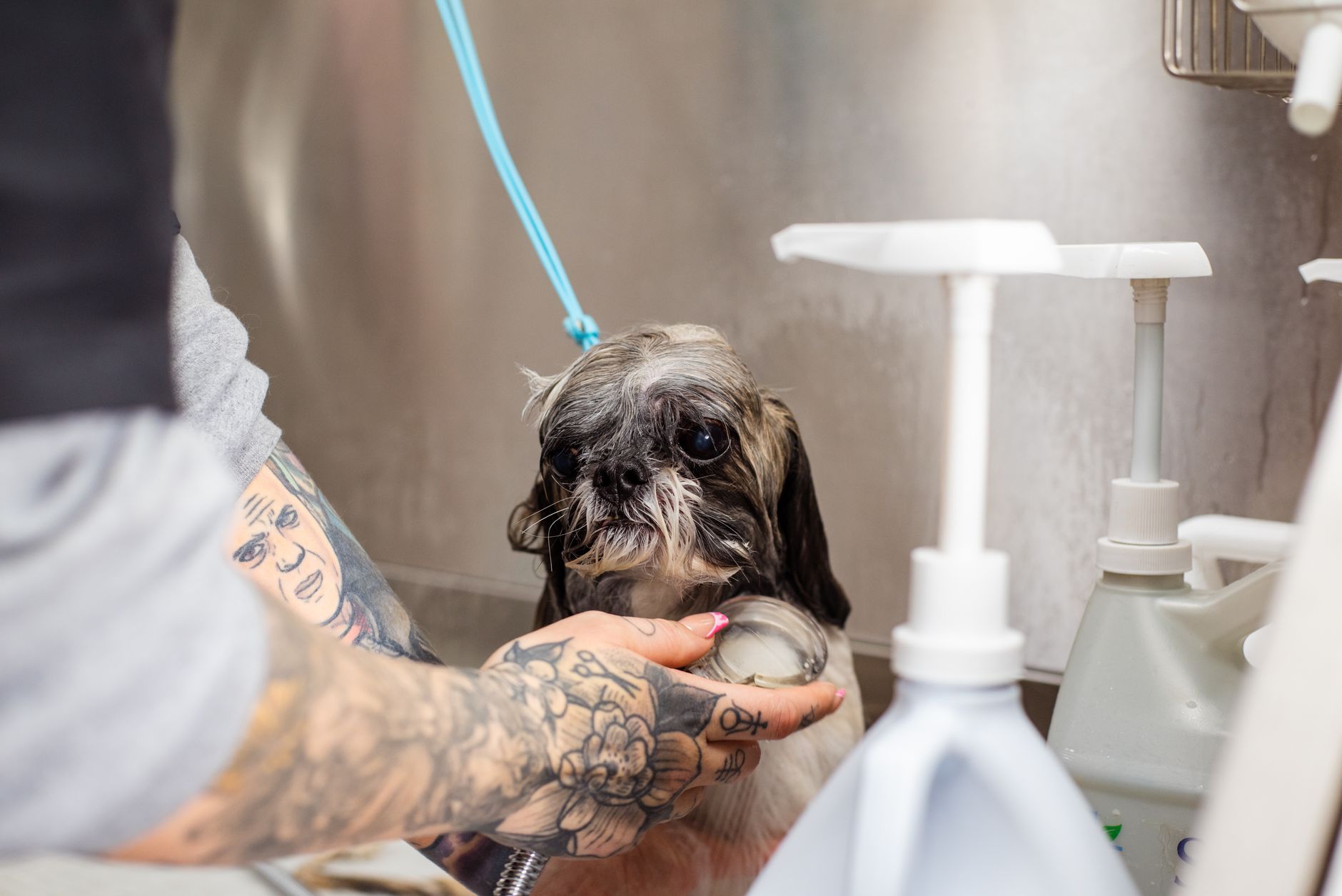
Even a well‑chosen shampoo can cause trouble if it is used in the wrong way. Some products are designed to be diluted before application; using them at full strength may make cleansing too aggressive, while over‑dilution might reduce effectiveness. Medicated shampoos often depend on a specific contact time on the skin to work properly, and changing that time without professional input can alter results. Rinsing is another critical step: foam left in the coat or around the skin folds may lead to local irritation. The drying phase also matters; excessively hot air or blowing too close to the skin can increase dryness or stress the animal. Owners should watch for signs such as rapid breathing, shaking, sudden redness or strong odour that worsens during or after the bath. If any of these occur, it is sensible to stop the bath process and contact a vet rather than forcing the animal through a routine that does not feel safe.
When it is time to switch to medicated shampoo from the clinic
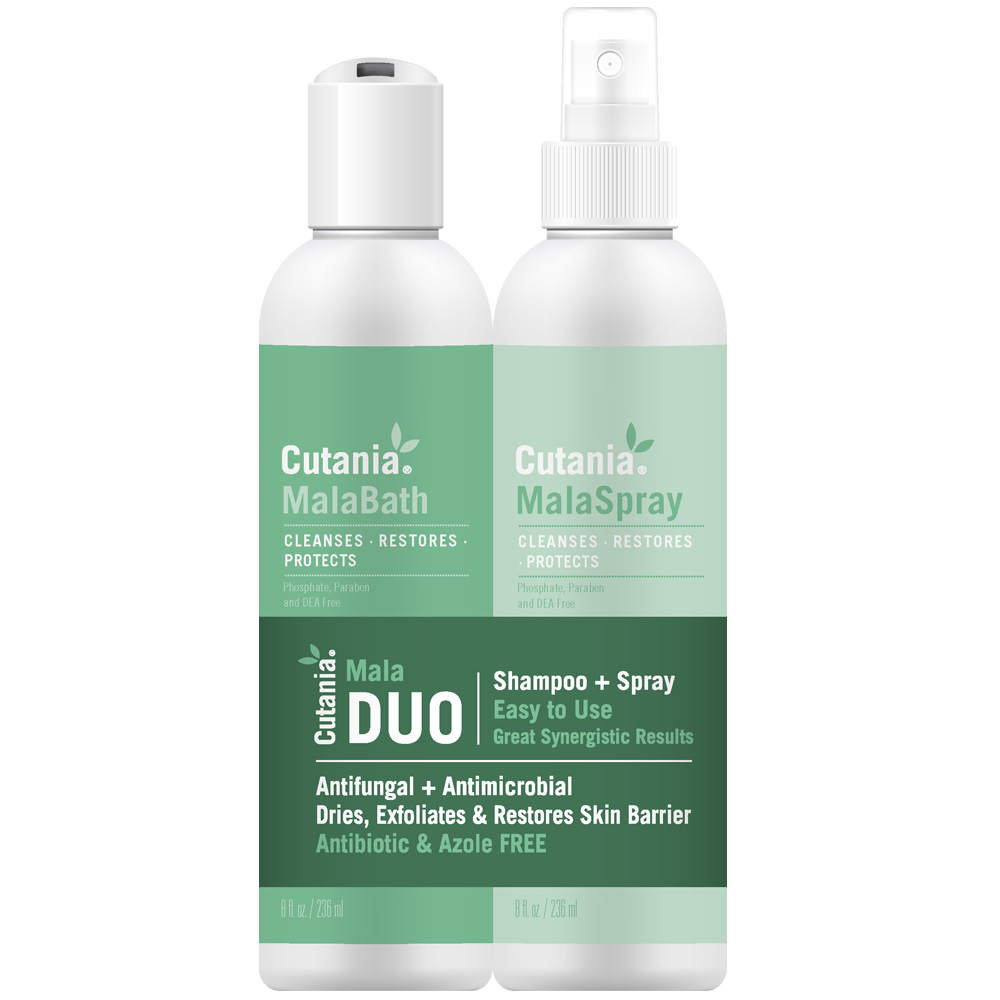
Some owners respond to early skin changes by buying multiple over‑the‑counter shampoos, hoping to find one that “fits” their pet perfectly. When problems have already progressed to persistent hair loss, spreading red patches, weeping areas or strong odour, continuing to rely only on general shampoos may delay a proper diagnosis. In many clinics, vets choose medicated shampoos as part of an integrated treatment plan that includes topical or oral medication and follow‑up appointments. These products usually come with detailed instructions on how often to use them and how long they should stay on the skin during each bath. Owners are expected to follow those instructions closely and monitor how the pet responds. When the condition improves, the vet can advise whether and how to transition back to a regular shampoo. The general guidelines in this article are intended for healthy pets or mild concerns; once a medical issue is suspected, shampoo choice becomes part of veterinary care and should not be changed without professional input.
Responsible bathing: observation and communication matter as much as the product
Choosing pet shampoo might look like a shopping decision, but it reflects how closely an owner pays attention to their animal’s body and behaviour. Responsible care involves more than simply getting the coat clean; it includes watching how the skin looks and how the pet acts before and after baths, and sharing those observations with the clinic. Notes about scratching, coat quality, odour and stress responses can help vets tailor advice on products and bath routines. With many strong marketing messages on the market, keeping a cautious and balanced view of claims is one way to protect the pet from overuse of any single product. All bath and grooming information in this article is general and for reference only. If there are concerns about allergies, skin disease or chronic health issues, owners are encouraged to discuss new shampoos and bath plans with a veterinarian and adjust based on ongoing feedback. Over time, this combination of observation and communication can turn bath time into a safer, more comfortable part of life for both dogs and cats.