Seasonal shedding can leave loose fur on clothing, furniture, and floors, but a larger amount of hair does not automatically mean a cat needs more baths. Most cats groom themselves, so the most useful routine usually combines coat-appropriate brushing, regular observation, and practical home cleaning. The right tool should match the cat’s hair length, tolerance, and tendency to mat rather than being chosen solely because it has more teeth or feels more aggressive.
Distinguishing seasonal shedding from a skin concern
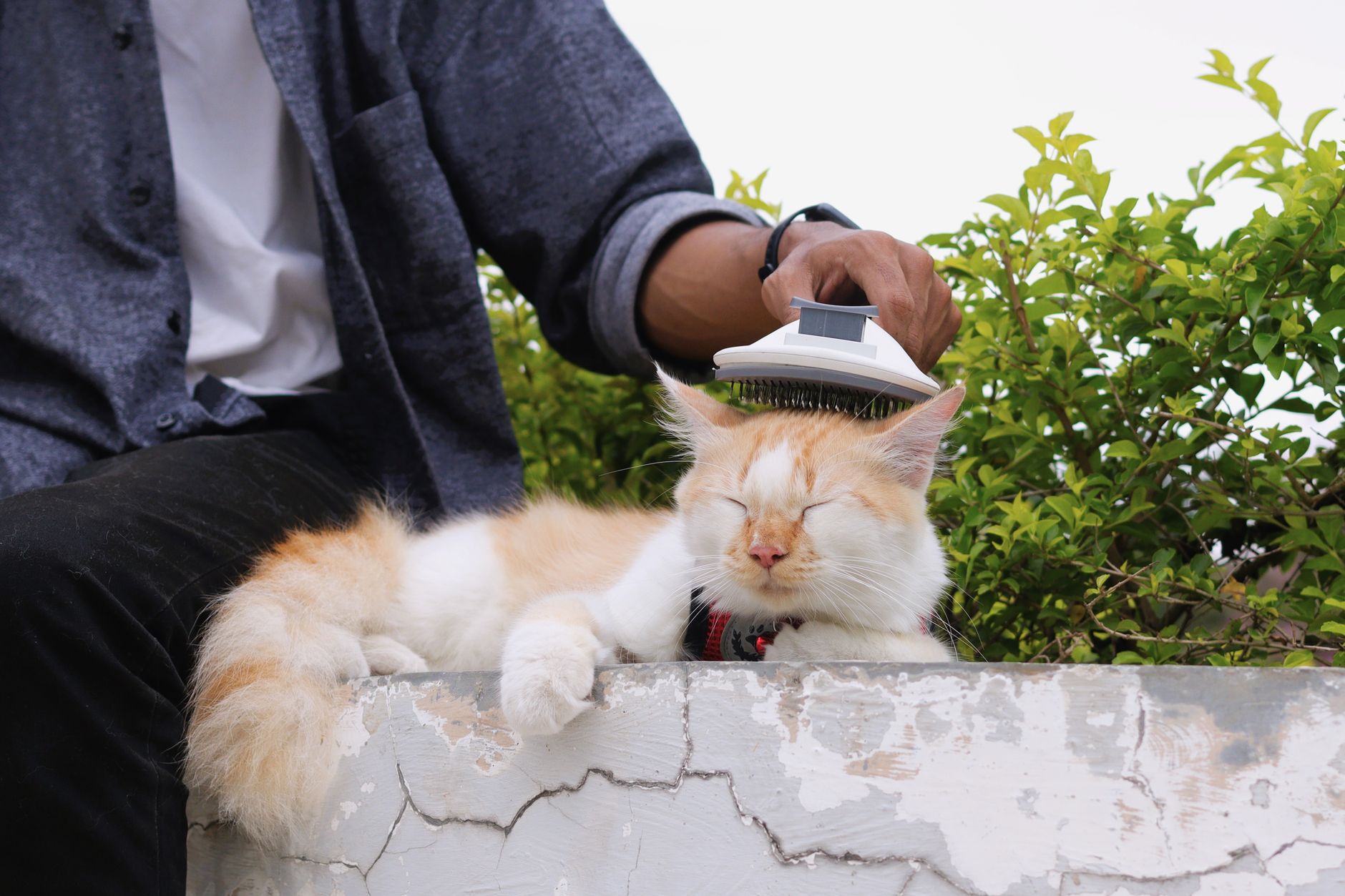
Normal shedding is generally spread across the coat, without obvious bald patches, crusts, redness, broken skin, or persistent discomfort. Short-haired cats can often start with brushing several times a week, while long-haired cats and cats prone to tangles usually need more frequent sessions. Pay extra attention to the neck, armpits, belly, inner legs, and tail, and brush in the direction of hair growth with a light touch.
A sudden increase in hair loss, repeated licking or biting, flaky skin, swelling, pain, or a clearly localized bald area should not be treated as ordinary seasonal shedding. Take photos and note when the change began before contacting a veterinarian. Brushing is routine grooming, not a substitute for diagnosis, and repeated scraping over the same area can irritate the skin or make grooming unpleasant for the cat.
Choosing a brushing tool
The best starting point is coat type and handling comfort. A short-haired cat may need a gentle tool that collects loose fur, while a long-haired cat may need separate attention for surface grooming and early tangles. Severe mats should not be pulled forcefully at home; a professional groomer or veterinarian can advise on safer handling. A simple brush that the cat accepts and the household can use consistently is usually more useful than a large collection of specialized tools.
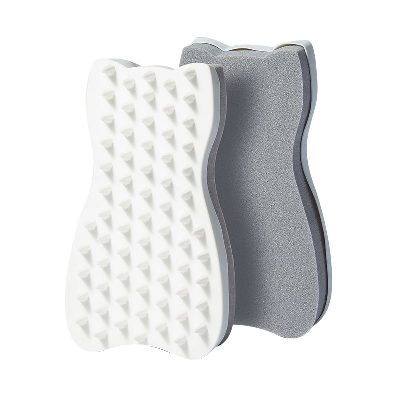
【月亮喵喵】Bath Brush 寵物專用沐浴刷 (a pet bath and grooming brush) has a cat-shaped double-sided design. One side uses a silicone eight-ridged rounded brush, while the other uses high-density sponge material, and it is described for daily grooming and loose-hair collection in kittens and adult cats of different breeds. Before or during routine grooming, use the silicone side gently along the coat, then use the sponge side to gather loose hair. Avoid irritated or damaged skin and stop if the cat shows pain or strong resistance.
Bathing frequency should follow a real cleaning need
More loose fur does not automatically justify more bathing. Many healthy cats rarely need routine baths, and brushing is often more appropriate when the main issue is fur around the home. Bathing may be needed after difficult-to-clean contamination, contact with a substance that could be dangerous to lick, or when a veterinarian gives a specific bathing plan. The suitable interval depends on coat type, lifestyle, skin condition, and how calmly the cat can be handled.
Use a shampoo made for cats rather than human shampoo or essential-oil products. A non-slip surface, comfortable water temperature, thorough rinsing, and complete drying all matter. Keep the process brief and quiet, and stop if the cat shows severe distress, panting, or escalating struggle. Persistent itching, redness, or unusual behavior after bathing calls for professional advice instead of repeated product changes.
Product options for different home routines
【光能淨】蓬鬆香氛洗毛精 110ml(白茶)(貓清潔用品) is labeled for pets of different skin types and specifies a 1:20 dilution method: wet the coat, gently massage the diluted product through the body, and rinse with clean water. For households that prefer a small bottle for full baths, dilution instructions, rinsing requirements, and the package label can be part of the selection process. Keep the product away from the eyes and mucous membranes and follow the current label directions.
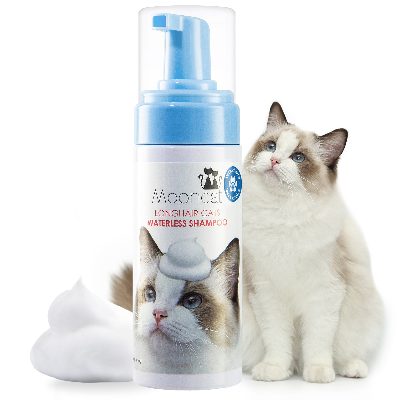
For cats that dislike water or need only limited cleaning, some households may consider 【Mooncat 月亮喵喵】溫柔潔淨 – 乾洗澡慕斯 貓咪專用 (長毛/無毛/短毛)150ml or 【Mooncat 月亮喵喵】洗護套組(溫柔潔淨乾洗慕斯+貓刷). The first is labeled for long-, short-, and hairless cats and is used by applying the mousse to the coat and working it through with the fingers. The set combines dry mousse with a double-sided cat brush for homes that prefer to pair cleaning and grooming. These products should still be used according to their labels and are not a replacement for veterinary-directed bathing when a cat has a medical or heavy-soiling concern.
Common myths and a workable routine
“More shedding means more baths” is a common misconception. Bathing is intended to address a cleaning need, while brushing is the more direct routine for loose fur. Another misconception is that a coat is only clean when no more hair comes out; brushing too long or too forcefully can create stress and skin friction. Short, regular sessions are easier to sustain and allow the caregiver to notice new tangles or coat changes early.
A practical routine starts when the cat is relaxed. Brush an area the cat already accepts, finish before frustration builds, and use a familiar reward if appropriate. Record the session length, loose-fur amount, tangles, and visible skin changes. Brush before a planned bath, rinse thoroughly, dry carefully, and use a slower approach for kittens, senior cats, hairless cats, cats with sensitive skin, or cats that have previously panicked during grooming.
A sustainable plan for seasonal shedding
Good shedding care is not about buying the most tools or scheduling baths as often as possible. It is about choosing a manageable brush, matching the routine to the coat, and noticing when the pattern changes. Short-haired cats can begin with gentle regular brushing, while long-haired cats benefit from early attention to areas that mat; baths should be reserved for a clear cleaning reason or professional guidance. If shedding comes with bald spots, skin changes, pain, or unusual behavior, veterinary assessment should come before changing grooming products. This article is for general care information only, and individual bathing needs should be discussed with a veterinarian.
The information in this article is for reference only and does not constitute professional advice. For specific decisions, please consult a relevant professional based on your personal situation.