Many pet parents walk into a grooming aisle and freeze in front of a wall of tools: slicker brushes, metal combs, fur removers, rubber curry brushes, grooming gloves and more. Everything claims to handle shedding, yet the wrong pick often ends up unused or makes a sensitive dog or cat hate brushing. Instead of buying every new tool seen online, it is more responsible to match tools to a pet’s coat length, density and skin condition, following what vets and professional groomers usually recommend. This article breaks down slicker brushes, metal combs and fur removers, explains which situations they work in, and offers safety reminders so grooming sessions stay comfortable. All information is for general education only and does not replace professional veterinary advice.
Understand your pet’s coat and skin before buying tools
Before choosing any deshedding gadget, it helps to look closely at a pet’s coat type and current skin status rather than starting from product reviews. Short‑haired dogs and cats may look low‑maintenance, yet they often shed fine hairs that cling to fabric, and some have very sensitive skin. Long‑haired or double‑coated breeds, such as golden retrievers or domestic longhair cats, grow a soft undercoat that tangles easily and forms mats close to the skin, so tools must reach deeper layers without scratching. Owners should also check for redness, scabs, flakes, flea dirt or bald patches during daily handling. If there is any obvious irritation or sudden coat change, it is safer to ask a veterinarian to evaluate the skin first and then decide which grooming tools and routines are appropriate, rather than experimenting aggressively at home.
Slicker brushes: everyday detangling and undercoat work
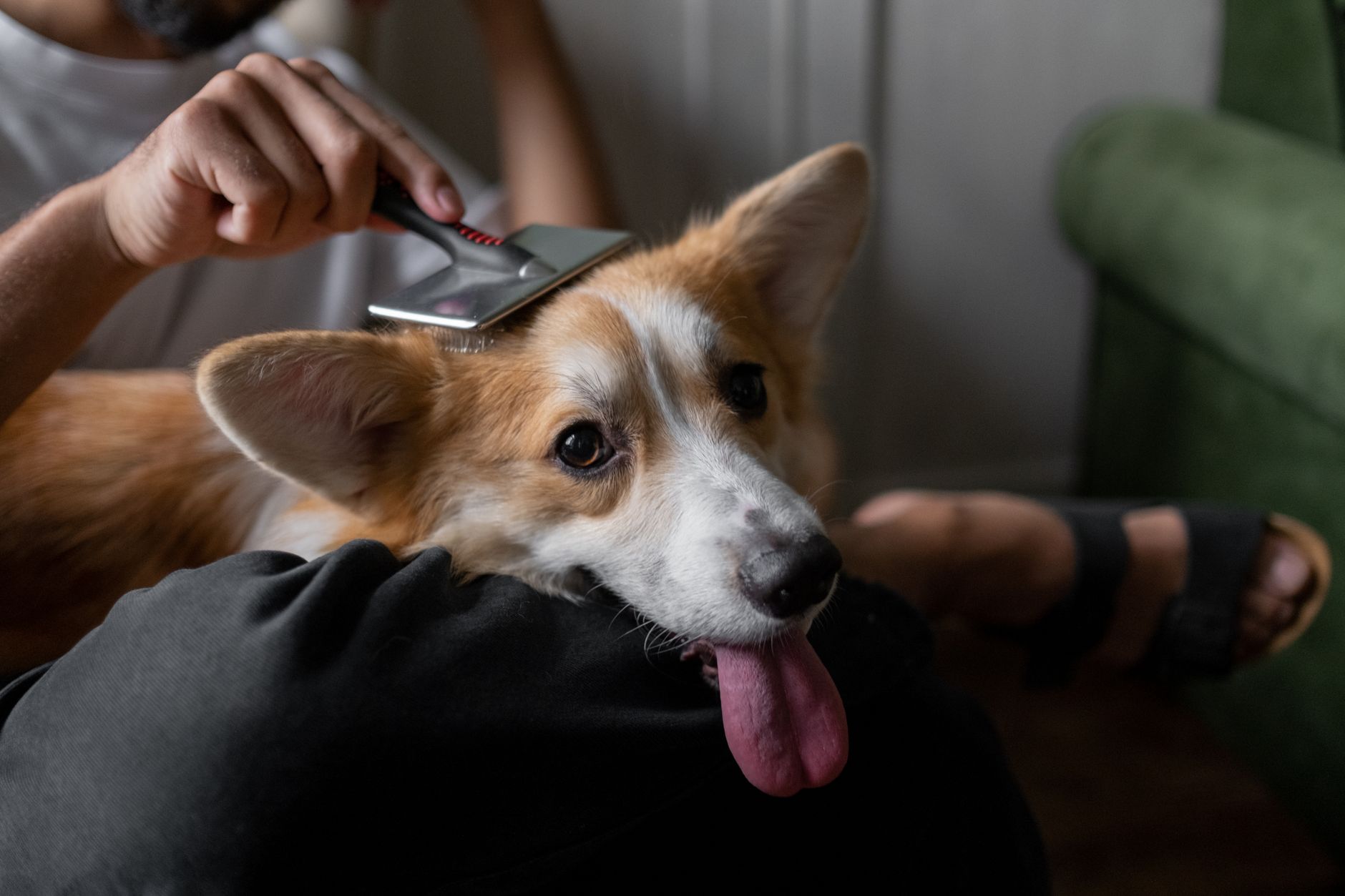
Slicker brushes are one of the most common grooming tools, with a rectangular head covered in many fine, slightly angled pins designed to lift loose undercoat, break up small knots and smooth the outer coat. For medium to long coats, curly coats and many double‑coated breeds, a slicker brush can be the main everyday tool, especially if used calmly and in short, positive sessions. The key is technique: instead of scraping the skin, the brush should glide along the coat, following the direction of hair growth or gently working layer by layer. If the brush has unprotected metal tips or the owner presses too hard, it may scratch sensitive skin, so many groomers recommend choosing models with rounded or coated tips and testing pressure on the back of the own hand. When a slicker catches on a knot, forcing it through is not ideal; separating the hair into smaller sections and loosening knots with fingers first usually keeps the experience more comfortable.
Metal combs: checking for hidden mats and fine detail work
A metal grooming comb looks simple compared with a slicker, but it is a favourite tool for many professionals because it reveals what the brush missed. With different tooth spacing on each end, a comb can slide deeper between hairs to detect hidden mats behind the ears, in armpits, on the pants of long‑haired dogs, or in areas where friction is common. Groomers often use a slicker first to lift and fluff the coat, then run a comb through to see whether it glides easily from root to tip; any spot where the comb stops usually signals a tangle. Rather than yanking, owners can hold the hair above the knot to reduce skin pulling and slowly work from the tip toward the base. If a mat is tight, right against the skin or causing discomfort, cutting it out without guidance may risk injury, so the safer choice is to consult a professional groomer or veterinarian for help and to discuss a better long‑term maintenance routine.
Fur removers and grooming gloves: managing seasonal shedding
Fur remover tools and grooming gloves are heavily marketed for heavy shedding seasons, when loose undercoat seems to appear in clouds on the floor. Many fur removers use specially shaped metal edges or teeth to grab hairs that are ready to fall out, and results can look impressive, with piles of fur after just a few strokes. However, if the blade is very sharp, used too often or dragged too firmly across bony areas, it may scrape or irritate the skin or strip too much coat, which is why a number of vets advise using these tools as occasional helpers instead of daily main brushes. Grooming gloves, on the other hand, are usually softer and feel like petting, making them suitable for nervous animals or those scared of brush sounds. While gloves mainly reach the surface rather than very deep undercoat, they can be a good starting point to build positive associations, especially for indoor cats or small dogs that are not used to regular grooming yet.
Matching tools to coat length, lifestyle and personality
No single deshedding tool suits every dog or cat, so it is useful to think in terms of combinations based on coat length, density, lifestyle and temperament. Long‑haired cats or fluffy double‑coated dogs that spend a lot of time indoors often do well with a trio of tools: a slicker brush for general work, a metal comb to check for hidden tangles and a fur remover used briefly during peak shedding periods. Short‑haired breeds or mixed‑breed pets with smooth coats may only need a rubber curry brush or grooming glove plus a gentle slicker once in a while, focusing more on massaging the skin and lifting fine hairs. For anxious or rescue animals, starting with very short, reward‑based sessions using a glove or very soft brush can help them accept handling before introducing stronger tools. Observing how the pet reacts, adjusting frequency and avoiding long, forced sessions are all part of responsible grooming decisions.
Brushing frequency and safety: watching your pet’s feedback
Even with the right tools, overdoing brushing can make a pet sore or stressed, so listening to their body language matters as much as product choice. Many healthy adult dogs and cats manage well with brushing several times a week, while heavy seasonal shedders may benefit from quick daily touch‑ups instead of rare, intense sessions. Warning signs such as flinching, growling, hiding, licking the same area repeatedly or struggling immediately when a tool appears suggest that something about the routine is uncomfortable. Owners can try brushing on a soft surface, supporting joints, avoiding repeated passes over the same spot and rewarding calm behaviour with treats. Any sudden change in coat quality, excessive shedding, bald patches or persistent scratching deserves a veterinary check‑up; self‑treatment with more aggressive tools is not recommended. The suggestions in this guide are meant for general home care and should always be balanced with individual advice from a vet familiar with the pet’s health.
Turning grooming into a regular health check at home
Choosing between a slicker brush, comb and fur remover is ultimately less about owning every popular gadget and more about building a gentle, consistent routine that fits a pet’s body and temperament. When grooming is done regularly, owners naturally get more chances to spot lumps, scabs, parasites or unusual odours early, which they can then discuss with a veterinarian. Cleaning and checking tools themselves is also part of this routine: bent pins, rust, broken teeth or dirty surfaces can scratch skin or spread debris if ignored. By treating grooming as quiet one‑on‑one time instead of a chore, many families find that pets slowly learn to relax, lie down and even enjoy brushing on the sofa or in a favourite corner. If questions arise about skin disease, allergies or which tools are safe for a specific medical condition, the most reliable step is still to ask a vet or qualified groomer, using articles like this as a starting point rather than a final verdict.