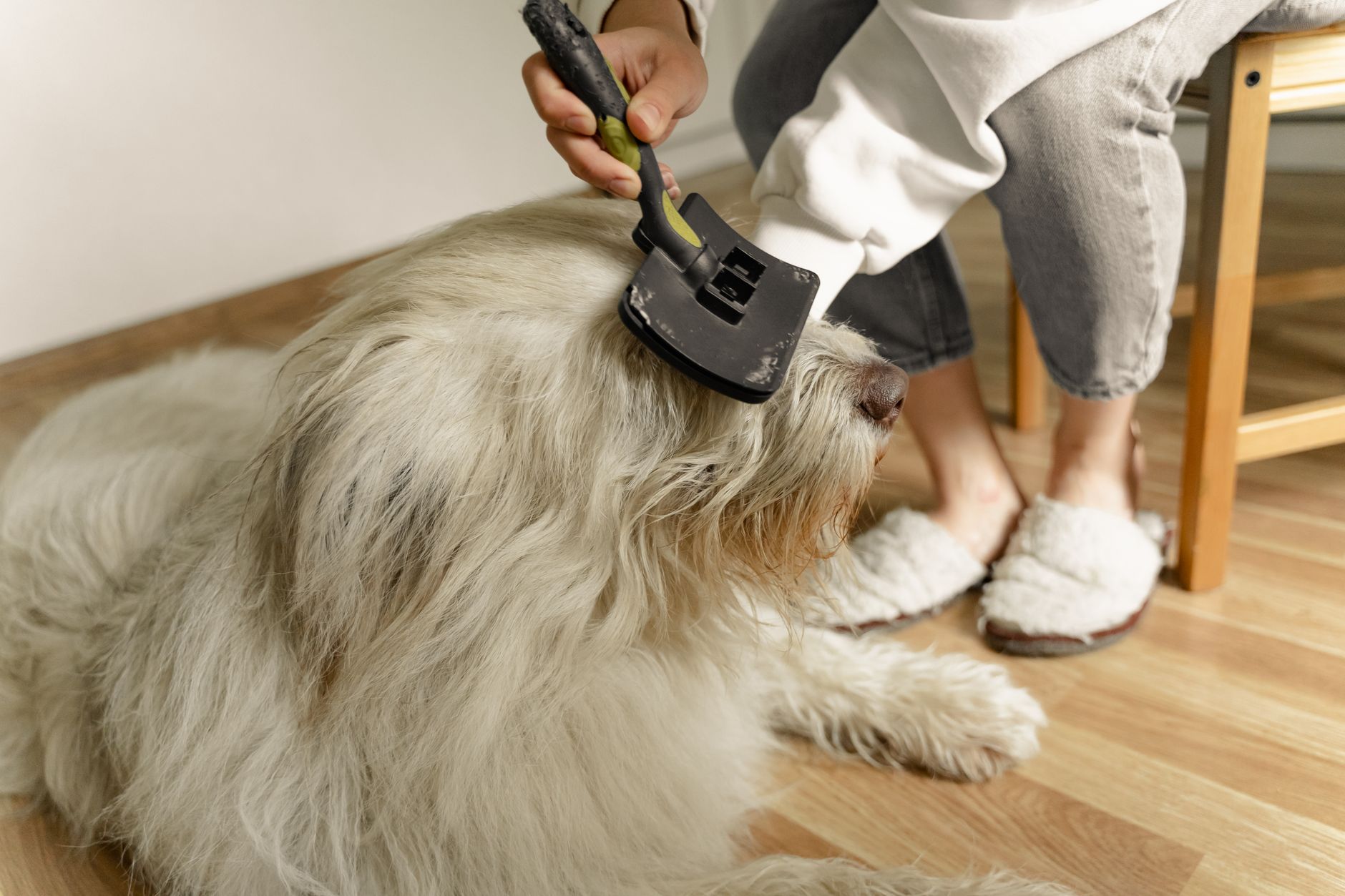
Home grooming can be a great way for guardians to save money and build trust with their pets, but it also comes with responsibilities. Without the right tools, setup and basic knowledge, a simple bath or nail trim can quickly turn into a stressful or even dangerous experience for a dog or cat. Many veterinarians and professional groomers emphasize that grooming is more than making a pet look neat; it is part of routine health care and an opportunity to spot skin issues, lumps or mobility problems early. This article walks through a practical home grooming routine, focusing on safety, gentle handling and clear boundaries on what should be left to professionals. The information is for general reference only, and owners are encouraged to consult a veterinarian for individual advice.
Preparing the space and mindset before you start
Before touching a brush or nail clipper, it helps to set up a calm, secure environment so the pet can stay as relaxed as possible. Instead of grooming on a slippery kitchen floor or in a noisy bathroom, many owners choose a small area with non‑slip mats, such as a shower stall, laundry room or a sturdy table covered with a towel. Reducing sudden noises, closing doors to prevent escapes and keeping other animals away can lower stress for sensitive pets. Keeping high‑value treats within reach allows guardians to reward cooperative behavior and pair grooming with positive experiences rather than restraint alone. It is also important to consider health conditions: senior dogs, brachycephalic breeds or pets with heart or joint issues may tolerate only short sessions, so breaking grooming into smaller segments is often safer. When in doubt about water temperature, session length or suitable products, asking a veterinarian first is recommended.
Essential tools and how to choose them wisely
A basic home grooming kit usually includes at least one brush or comb, pet‑specific shampoo, several towels, a controllable hair dryer, nail clippers or a nail grinder, ear cleaner with cotton pads and, for some breeds, a clipper or scissors. Choosing pet shampoo instead of human shampoo helps avoid unnecessary irritation to the skin and eyes, as the pH and ingredients are formulated differently for animals. Brushes should match coat type: rubber curry brushes work well for many short‑haired dogs, slicker brushes or metal combs are often used for medium to long coats, and undercoat rakes may be useful for double‑coated breeds when used gently. For nail care, picking the right size clipper and keeping styptic powder on hand can reduce the impact of accidental cuts. Hair dryers should offer adjustable heat and low noise; many owners start with a cool or slightly warm setting while keeping the nozzle moving to avoid hot spots. For electric clippers, practicing on a small area first and checking blade temperature regularly can prevent razor burn and discomfort.
Brushing techniques for short, medium and long coats
Regular brushing is one of the simplest ways to keep a pet’s coat cleaner and make bathing easier, but technique plays a big role in comfort. A helpful approach is to start with larger, less sensitive areas such as the back and sides, then gradually move to the chest, belly, legs and tail, watching the pet’s body language throughout. Short‑haired dogs and many cats often respond well to rubber brushes used in small circular motions, which can loosen shedding hair and provide a gentle massage at the same time. For medium and long coats, it is safer to work in layers: lifting the top coat and brushing a thin section at a time from the skin outward, using a comb to check for remaining tangles. Areas like behind the ears, under the collar, the armpits and the inner thighs tend to mat quickly, so shorter, slower strokes help reduce pulling. If mats are tight against the skin, cutting them out at home with scissors carries a real risk of cutting the skin, so in those cases many professionals recommend seeking help from a groomer or veterinarian instead of forcing the issue at home.
Bathing steps and water temperature for sensitive skin
Bath time often feels like the most dramatic part of grooming, yet a calm routine can make it more manageable for both pet and guardian. Brushing before a bath is a useful first step, because wet tangles tighten and become harder to remove. When filling the tub or using a shower, guardians can aim for lukewarm water that feels similar to the pet’s body temperature rather than hot tap water, which may dry out the skin or cause discomfort. Introducing water gradually from the hindquarters toward the shoulders and neck allows many animals to adjust, while the head can be handled with a damp cloth to avoid shampoo or water getting into the eyes and ears. Diluting shampoo according to product directions and massaging it gently along the coat helps it spread evenly without needing a large amount. Thorough rinsing is essential, since leftover product can lead to itchiness or redness. Afterward, towel‑drying to remove as much water as possible reduces the time needed with a dryer, and using a low or medium heat setting with steady movement across the coat lowers the risk of burns, especially in thin‑coated or small breeds.
Nail trimming and paw hair care: common risks and safer habits
Nail care is a frequent source of anxiety for both pets and humans, especially when the quick—the blood‑ and nerve‑rich part inside the nail—is difficult to see. One cautious strategy is to trim tiny amounts at a time, watching for a change in the nail’s cross‑section from solid to a slightly softer or darker center, which may indicate the quick is near. Transparent or light‑colored nails make this easier, while dark nails may require extra restraint and patience, or the support of a professional. Holding each toe firmly yet gently and keeping the pet in a stable position, such as lying on their side or sitting against the guardian’s body, helps avoid sudden movement during a cut. Paw hair between the pads can be trimmed with rounded‑tip scissors or a clipper to reduce slipping on smooth floors, but it is not necessary to shave down to the skin. If a nail is accidentally cut too short and bleeding occurs, applying styptic powder and light pressure while reassuring the pet can help; persistent bleeding or pain should prompt a call to a veterinarian. For animals with past trauma or strong fear around nail trimming, many owners eventually choose to have this part handled at a clinic or grooming salon.
Adapting grooming routines to different temperaments and health needs
Just as people differ in how they feel about haircuts or baths, dogs and cats also show a wide range of reactions to grooming. Confident pets may tolerate long sessions, while shy or previously mishandled animals can become defensive within minutes. For nervous pets, breaking grooming into very short, predictable segments—such as brushing only the back one day and the tail another—often works better than aiming for a full makeover in one attempt. Pairing each step with treats, calm voice cues and pauses when the pet relaxes can reinforce cooperative behavior. Health status matters as well: older animals, pets with arthritis or those recovering from surgery may not be able to stand on slippery surfaces or hold certain positions for long, so providing non‑slip supports, resting spots and shorter sessions is kinder and safer. Guardians who notice new skin lesions, sudden hair loss, unusual odors or changes in behavior during grooming should treat these as signals to contact a veterinarian rather than trying new products on their own. In many cases, grooming time becomes a valuable opportunity to detect concerns early, but interpreting those findings is best done with professional guidance.
When to rely on professional groomers or veterinarians instead
Home grooming has clear limits, and recognizing them is an important part of responsible pet care. Severe matting close to the skin, complicated coat styles, handling around the eyes or genital area and pets that show significant aggression or panic are situations where a professional groomer, and sometimes a veterinarian, may be more appropriate. Clinics and grooming salons often have specialized equipment, restraint systems and staff trained to handle fearful animals more safely than a single person can at home. In some regions, veterinarians may recommend sedation for extremely stressed or fragile pets during intensive grooming, a decision that always requires a risk–benefit discussion with the medical team. Guardians can support this process by sharing details about the pet’s normal routine, medical history and past grooming experiences so that professionals can tailor their approach. Overall, a balanced strategy that combines simple, regular home maintenance—such as brushing and basic cleaning—with scheduled visits to a groomer or vet for more complex tasks often serves pets and guardians best. The suggestions in this article are intended as general information only; for specific health or behavior questions, consulting a veterinarian or qualified groomer is strongly advised.
Final thoughts: turning grooming into a shared routine
When approached thoughtfully, home grooming can become more than a chore; it can be a regular check‑in that strengthens the bond between a pet and their guardian. Setting realistic expectations, choosing suitable tools and respecting the pet’s comfort level all contribute to making the process safer and more pleasant. Some families schedule short grooming moments after walks or in the evening when the household is quiet, treating them as part of the pet’s weekly routine rather than a rare, overwhelming event. Over time, many animals learn that brushes, towels and even nail clippers predict attention and rewards, not just restraint. At the same time, being willing to say “this part is better left to a professional” shows care rather than failure. With veterinary guidance where needed and a focus on safety, home grooming can play a meaningful role in keeping dogs and cats clean, comfortable and closely connected to the people who look after them.