In a home with cats or dogs, many people notice the same pattern: the moment they sit on the sofa, their pants are covered in fur, and the floor never seems completely clean for long. Beyond appearance, this loose hair often travels with dander and dust, which can be uncomfortable for children, guests or anyone with sensitive airways. Managing pet hair is therefore part of responsible pet care, not just housekeeping. By understanding where fur tends to build up and which tools work best on different surfaces, owners can set up a routine that is realistic to follow and keeps the home noticeably more comfortable for both humans and animals.
Why pet hair spreads everywhere: knowing the source before cleaning
Before choosing devices and tools, it helps to understand how and why pets shed. Most dogs and cats go through seasonal shedding, and even short-haired breeds release a constant stream of fine hairs that easily stick to fabric and bedding. Double-coated breeds have dense undercoats that can produce impressive amounts of fur in a short time during transitions between warmer and cooler weather. At the same time, skin flakes and tiny particles often travel along with visible hair, so what looks like a few strands may also carry microscopic debris. This is why a cleaning plan should focus not only on what the eye can see, but also on reducing the overall build-up of fur and dander in frequently used areas of the home.
Floors and corners: coordinating vacuums and robot cleaners
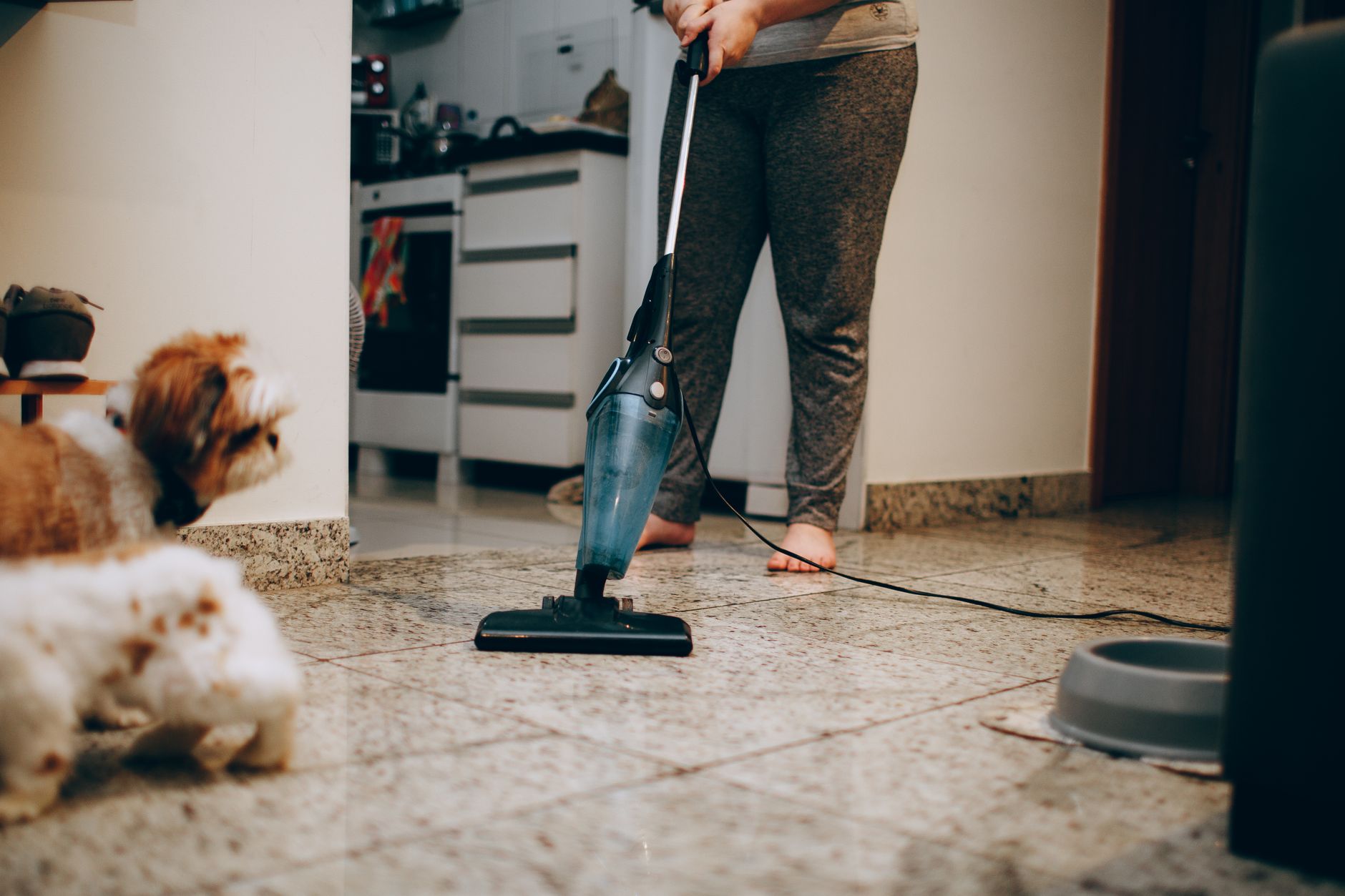
Floors are usually the first surface to show just how much a pet sheds, especially in living rooms, hallways and play areas. A vacuum with an appropriate floor head is often the most efficient way to pick up hair and dust together on hard flooring, and running it before mopping helps avoid wet clumps of fur sticking to the surface. Many households also use a robot vacuum to patrol high-traffic zones once or twice a day, which can significantly cut down the amount of fur underfoot for busy owners. However, robots tend to miss tight corners, table legs and edges of rugs, so a handheld vacuum is still useful for targeted work. For pets that dislike noise, the robot or upright vacuum can be scheduled while they are on a walk, in the yard or resting in another room, reducing stress while keeping the floor under control.
Sofas, pet beds and rugs: adapting tools to different fabrics
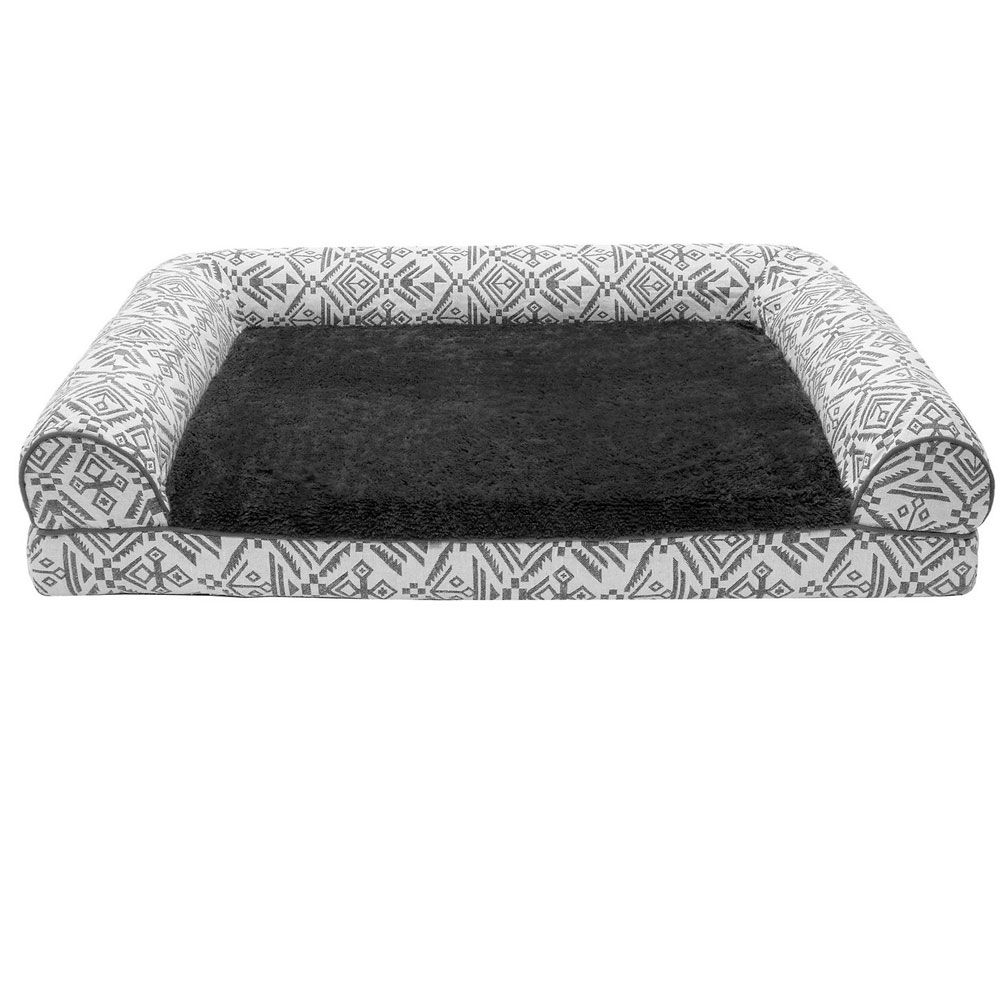
Soft surfaces are where pet hair really settles in. Fabric sofas, plush throws and pet beds can hold an impressive amount of fine fur deep in their fibers, which does not come out easily with simple patting or adhesive tape. In these cases, dedicated lint rollers, rubber brushes or specialty fabric tools with textured surfaces often perform better, especially when used in one steady direction instead of back-and-forth motions. If a sofa cover can be removed, combining regular lint removal with occasional machine washing prevents long-term build-up of hair and dander. Pet beds and blankets are worth buying in sets so they can be rotated; shaking off loose fur outdoors and giving them a quick pass with a lint tool before washing also helps keep hair from clogging drains or sticking to other laundry. Choosing tighter-weave fabrics for frequently used cushions and throws can make routine cleaning faster and more effective.
Clothes and bedding: planning around going out and seasonal storage
A common frustration for pet owners is discovering fur all over dark jeans or a work blazer right before leaving the house. A simple way to manage this is to keep a lint roller by the front door or in the wardrobe, and make it part of the going-out routine to roll it over outerwear, trousers and bags. This small habit often makes photos, meetings and social events feel more polished without requiring major effort. Bedding deserves special attention because it is in constant contact with the face and airway while sleeping. Regular washing combined with brief lint removal before laundry keeps stray hairs from spreading to other garments. When storing seasonal duvets or blankets, it helps to thoroughly remove lint first, then pack items into storage or vacuum bags so that hair does not burst out in a cloud the next time they are opened. For households with allergies, tighter-woven bed linens that trap less fur can be a practical choice.
Grooming and bathing: reducing loose fur from the source
Even with diligent floor and furniture cleaning, unmanaged coats can lead to more hair floating around the home. Establishing a regular brushing routine suited to the pet’s coat type gathers loose hair on the brush instead of letting it drift onto surfaces, and allows owners to notice changes in skin or coat condition early. Many people set up a dedicated grooming area with a mat or sheet that can be folded and discarded or shaken outside once brushing is finished, keeping fur from immediately re-entering living spaces. Bathing frequency should be matched to the animal’s needs and veterinary advice, since over-washing may disturb the skin’s natural barrier. Observing whether shedding patterns or skin comfort change over time is useful, and any concerns can be discussed with a veterinarian. All grooming suggestions here are general and should be adapted to the individual pet; for health-related decisions, professional guidance is recommended and the information in this article is for reference only.
Allergy and health considerations: prioritizing zones and sharing tasks
When someone in the household has allergies or sensitive lungs, fur management becomes closely tied to overall comfort. One helpful approach is to divide the home into priority zones and general zones. Priority areas might include bedrooms, desks and spots where the sensitive person spends long periods, keeping fur levels lower there with more frequent vacuuming and lint removal. Some families create “reduced fur zones” by limiting pet access to certain rooms or using simple barriers at doorways, which can lower the amount of hair drifting in. Cleaning tasks can be shared so that the person most affected by allergies handles less of the direct fur removal, or uses masks and gloves when needed. As with any topic touching health, these are practical household strategies rather than medical advice; if symptoms are significant, discussing environmental adjustments with a doctor or veterinarian is sensible, and this article should be seen as informational only.
Making pet hair control sustainable: turning routines into habits
A challenge many owners face is that an intense weekend deep clean quickly fades, and within a few weeks the home looks furry again. The key to sustainable pet hair control is breaking the work into small, repeatable steps instead of relying on occasional marathons. For example, a daily quick run with a vacuum through main paths, a weekly focus on sofas and pet bedding, and a monthly check of corners and under furniture creates a rhythm that is easier to maintain. Simple reminders on a calendar, notes on cleaning tools or shared family schedules can help everyone keep track of when an area was last tackled. When the household sees hair management as part of caring for the pet and each other’s comfort rather than chasing perfection, cooperation usually improves. With a realistic plan and the right tools, even homes with multiple cats or dogs can stay welcoming, clean-looking and pleasant to live in over the long term.