A harness and a collar are not simply interchangeable choices. The better option depends on where leash pressure lands, how easily a pet can back out, and whether the equipment is used for identification, short walks, training, or longer outings. For many dogs, a well-fitted harness is a practical starting point when pulling is common, while a collar remains useful for identification and brief, calm walks. Cats need a properly fitted body harness for outdoor activity; a leash should not be attached to a cat’s neck collar. Start with body shape, breathing considerations, coat, temperament, and routine before comparing color or style.
Start with body shape and physical needs
Small dogs, flat-faced dogs, and dogs with sensitive airways may be less comfortable when leash force is concentrated around the neck. A harness can be worth comparing because it distributes contact across the body, although fit still determines whether it is safe and comfortable. Dachshunds and other dogs whose backs need extra consideration also require a design that does not restrict stride or create pressure during movement. A calm medium or large dog that walks without pulling may manage well with a flat collar for identification and short walks, but sudden leash pressure should never be ignored.
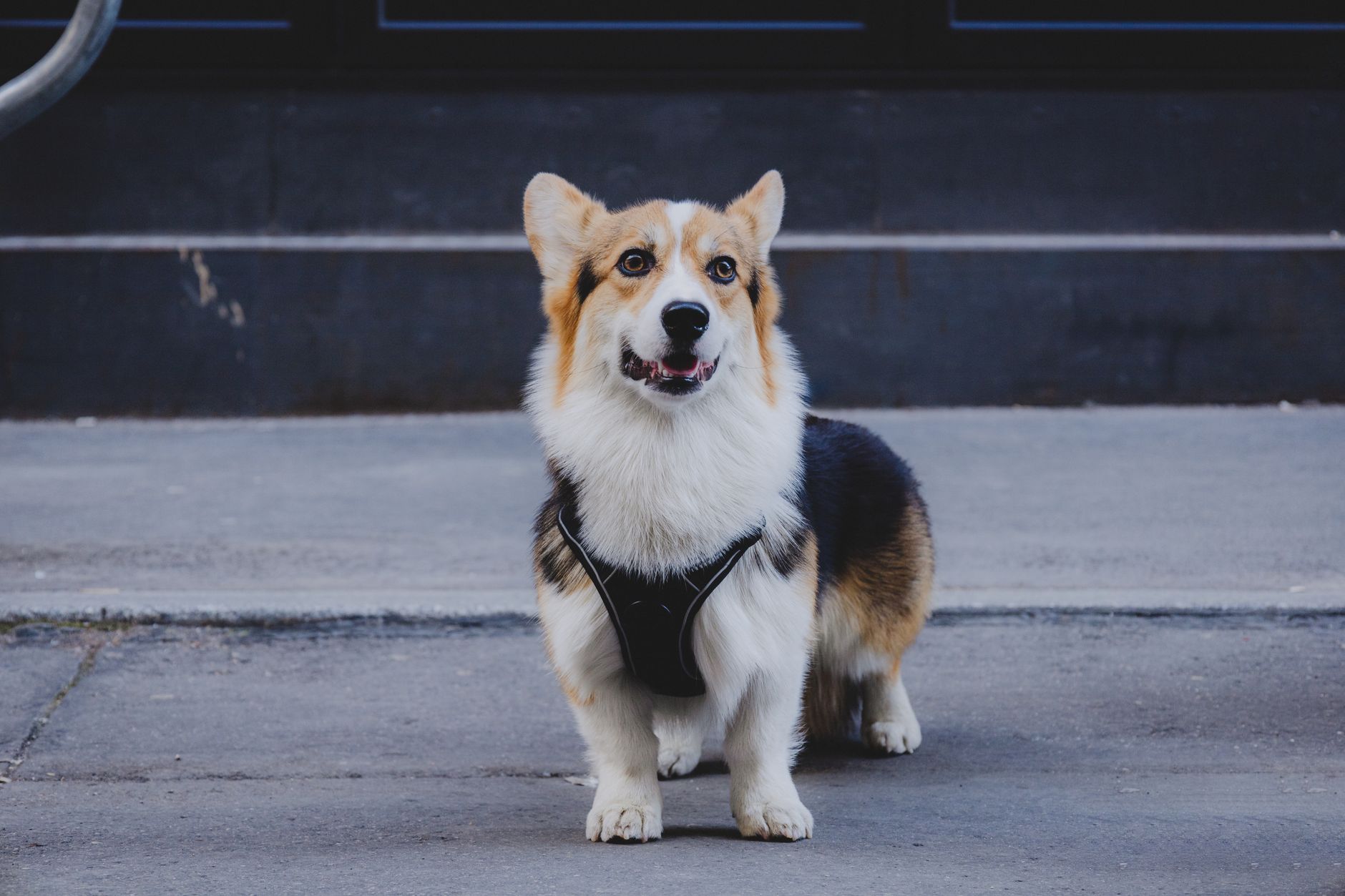
Fit matters more than the label on the package. A collar should be snug enough to resist slipping over the head while still allowing roughly one or two fingers beneath it; a harness should sit close to the body without rubbing the armpits or limiting the front legs. Puppies change size quickly, and a long-coated pet may fit differently after grooming or seasonal coat changes. Check the fit regularly instead of assuming the first adjustment will remain correct. Persistent scratching, altered steps, unusual breathing, or repeated backing out are reasons to stop and reassess the equipment.
Let temperament guide the setup
Dogs that lunge toward people, vehicles, or other animals often benefit from starting with a harness while leash manners are taught. A front attachment can make the direction of pulling easier for the handler to notice, but no harness replaces gradual training. Practice in a quiet area, reward attention and slack-leash steps, and avoid dragging the dog forward. Dogs that reverse suddenly need careful adjustment and, where appropriate, a design that reduces escape risk; an overly loose harness can be less secure than a simple-looking one.
A steady dog that walks quietly may use a collar for a short neighborhood route and a harness for busy places or longer outings. Cats usually need a slower introduction: place the harness near familiar bedding, allow brief contact, and pair wearing it with food or play. Never leave a cat in a harness without supervision, because straps can catch on furniture, carriers, or household fixtures. Before going outside, test the connection indoors and choose a calm area where the cat can return safely if startled.
Strengths and limits of collars
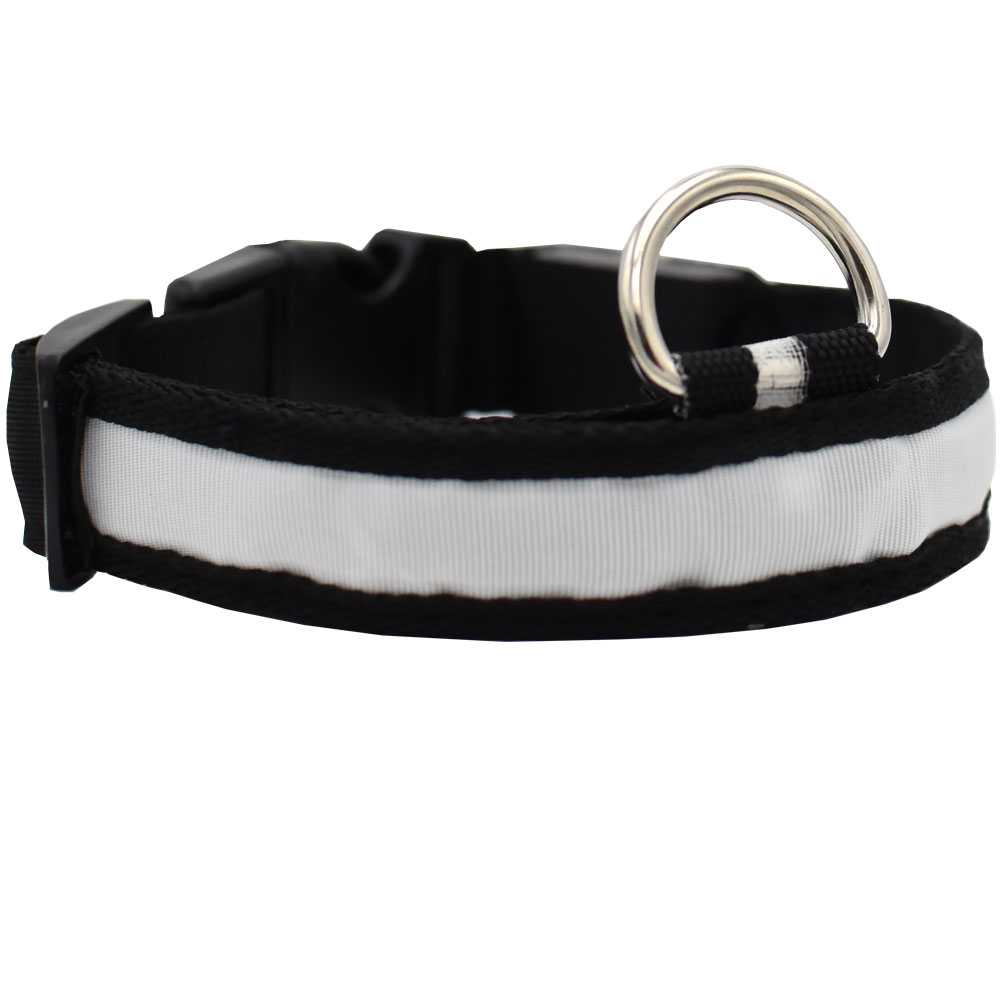
Collars are lightweight, quick to put on, and convenient for identification tags. They may be practical for a dog that dislikes harnesses during short, calm walks, and they are easy to check when leaving the home. Their limitation is that a sudden or sustained pull places force around the neck. This deserves extra caution with small dogs, flat-faced dogs, dogs that surge forward, and pets with breathing or neck concerns. Coughing, gagging, repeated stopping, or resistance after leash tension are signs to reconsider the setup rather than simply tightening the collar.
【KAFBO】點點絨毛手作項圈(狗貓用品) is made with leather, cotton, and polyester fiber, and is described as a soft, skin-friendly collar for cats and dogs. It comes in color options including blue-green, rainbow, navy, pastel, and cherry. Evaluate it as an everyday collar and styling option, not as an automatic answer for every leash situation. Confirm the fit, hardware condition, and the pet’s response before use, and keep the product away from fire and moisture as instructed.
What to check on a harness
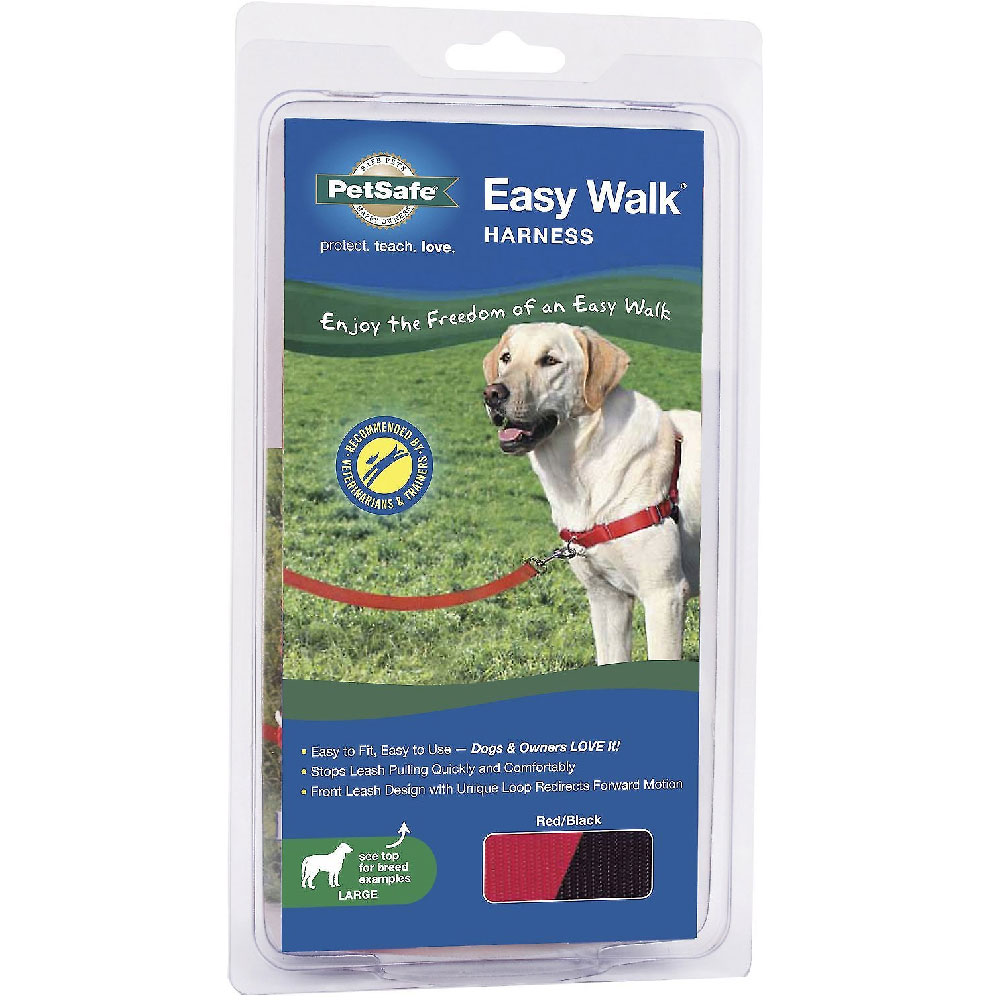
Begin with the leash attachment point, then inspect shoulder clearance and adjustment range. A back-clip harness can be straightforward for a dog that already walks calmly, while a front-clip or multi-adjustment design may be worth comparing during leash training. Regardless of style, the straps should not sit in the armpits or across the throat. Ask the pet to walk, turn, sit, and lift each front leg while wearing it; movement reveals rubbing or restriction that may not be visible when the pet is standing still.
Material affects daily maintenance. Soft webbing can be convenient to clean and store, but seams, clips, and rings still need inspection for hair, grit, and wear. Padded sections may feel gentler, yet can feel warmer or remain damp longer in hot or humid weather. Long-haired pets need a coat-parted check of the skin, while short-haired or sensitive pets may need closer attention to rough edges. Before every outing, inspect stitching, buckles, and the leash connection; visible deformation, cracking, or loosening is a reason to retire the item.
Choose by routine, not appearance
For a calm dog living in a small apartment and taking brief neighborhood walks, a well-fitted collar may cover identification and simple outings, with a harness reserved for longer or busier trips. First-time owners, puppies, and dogs that pull may find a harness easier to manage while basic leash skills develop. Senior dogs, dogs with back concerns, or pets that struggle when their legs are lifted may need a veterinarian’s input before choosing a design. The easiest item to put on is not always the one that creates the least physical strain.
For cats, prioritize a close-fitting body harness and treat a collar as identification gear rather than a leash anchor. In multi-cat homes, measure each cat separately instead of sharing a size based only on weight. A cat that squeezes into narrow gaps or backs away when startled needs escape resistance and indoor practice before outdoor exposure. Homes that wash gear frequently may also prefer materials that are simple to clean and dry, but every product should still be checked for wear after washing.
Final takeaway: fit comes before fashion
A collar works well for identification, brief wear, and calm dogs that do not pull; a harness is often more suitable when pulling, longer outings, or distributed body contact matters. Cats should not be walked from a neck collar, and their harnesses should be introduced indoors under supervision. The most attractive or expensive option is not automatically the right one. Fit, pressure location, escape risk, shoulder movement, cleaning effort, and the pet’s acceptance provide a more useful decision framework. If a pet coughs, pants unusually, shows pain, or walks differently after wearing gear, stop using it and consult a veterinarian.
The information in this article is for reference only and does not constitute professional advice. For specific decisions, please consult a relevant professional based on your personal situation.