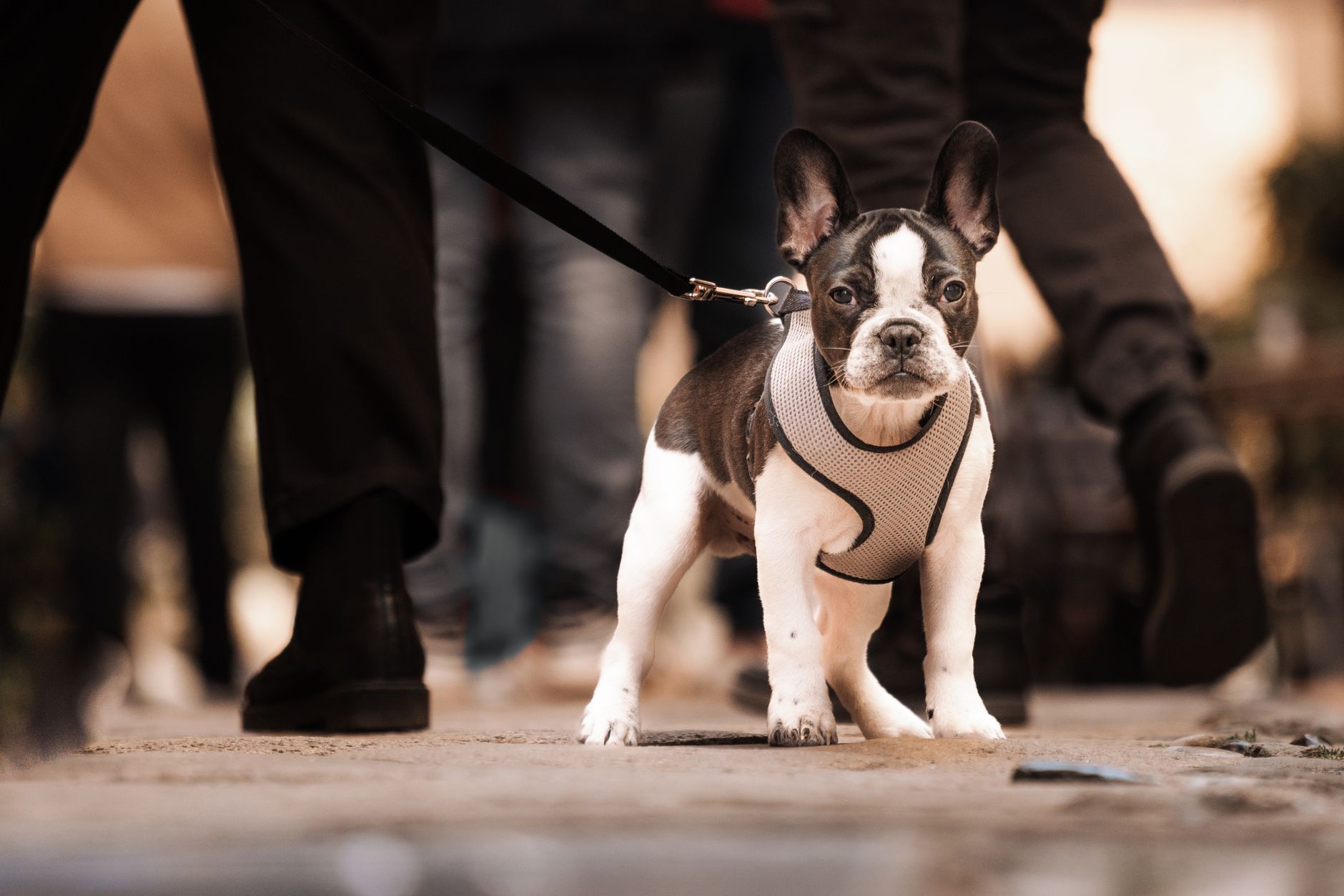
The very first outdoor walk is a milestone for both a dog and the person caring for them. Inside the home a dog may appear calm and predictable, but once exposed to traffic noise, new smells, people and other animals, reactions can change quickly. Careful preparation helps reduce surprises and allows the dog to associate walks with comfort and safety instead of stress. This article focuses on practical equipment, transport, on-leash etiquette and health considerations that new owners often overlook. All information is intended for general education only; if there are any doubts about a dog’s health or behaviour, direct consultation with a veterinarian or qualified trainer is recommended.
Choosing a Suitable Leash and Harness for the First Walk
A leash and harness are basic walking tools, yet the first choices can influence safety and comfort. For a first outdoor experience, many veterinarians and trainers prefer a standard, fixed-length leash rather than a long retractable model, because it gives better control when a dog suddenly pulls toward a stimulus such as traffic or other dogs. The material and thickness should match the dog’s size and strength to avoid fraying or breaking, and the clip needs to be easy to use but secure once attached. Harness fit also matters: too tight may cause rubbing and discomfort, while too loose can allow a dog to slip out when startled. Before going outside, owners can let the dog wear the harness indoors for short periods to observe any signs of resistance or scratching. Dogs with specific airway or musculoskeletal issues may need particular designs, so discussing harness options with a veterinarian is sensible when medical concerns are present.
ID Tags and Contact Information as a Safety Net
When preparing for the first walk, it is tempting to focus only on gear, yet identification is equally important. A young or inexperienced dog can become overwhelmed outside and bolt or move in an unexpected direction. If the dog has no visible ID, returning them becomes far more difficult, even in a friendly neighbourhood. Microchips are valuable, but they usually require a scanner, so a simple collar or harness tag with clear contact information offers a practical safety net. Many owners include the dog’s name and a mobile number on the tag, and some add brief notes such as “shy with strangers” to guide anyone who finds the dog. Detailed street addresses are a personal choice, but at minimum a reliable phone number speeds up reunion if a passerby or shop staff offers help. A small, durable ID tag rarely attracts attention during a walk, yet becomes critical if the unexpected happens.
Poop Bags, Water and a Small Essentials Kit
On a first outing, a dog’s toilet routine can differ from what happens indoors, and many will choose to relieve themselves in new spots. Having enough poop bags is therefore part of responsible ownership, protecting public spaces and showing respect to neighbours and other park users. Keeping a few extra bags in a dedicated pocket or pouch reduces the chance of running out. Depending on climate, dogs may pant more due to mild stress, higher activity and unfamiliar surroundings, so carrying fresh water and a collapsible bowl is useful, especially in warm or humid weather. For longer walks or dogs with known sensitivities, owners can ask their veterinarian which simple supplies make sense to bring, such as commonly used medications, gauze or dog-safe insect protection. Any health-related items should be used according to professional guidance, and this article does not replace personalised medical advice.
Transport Safety and Route Planning for Urban Walks
In many cities, a first “walk” often involves more than a sidewalk; it may include car rides or public transport before reaching a quieter area. Planning how the dog will travel is therefore part of preparation. Options include a sturdy pet carrier, specialised car harness or seat attachment designed to limit movement, helping the driver stay focused and reducing the chance of sudden jumps or falls. Once transport is arranged, the next step is to choose an appropriate route. For a first experience, a quieter residential street or courtyard is often gentler than a busy market or crowded park. The goal is to expose the dog gradually to everyday city noises and visual stimuli. If the dog shows clear signs of distress such as freezing, trembling or excessive panting, shortening the walk and redirecting to a calmer area can be helpful. Persistent or intense reactions should be documented and later discussed with a veterinarian or behaviour professional.
On-Leash Etiquette and Reading the Environment
Walking a dog is not only about exercise; it also shapes how the dog relates to people, other animals and shared spaces. During a first walk, owners can pay attention to body position and leash length, keeping the dog slightly toward the inside of the sidewalk and the person closer to the roadway when possible. Approaching restaurant entrances, building doorways or playgrounds, shortening the leash can reduce the chance of the dog sniffing personal belongings or startling children. When another dog and owner signal interest in greeting, it is courteous to ask if they are comfortable before allowing contact. Slow, side-on approaches and brief sniffing are generally safer than direct, intense face-to-face meetings. Throughout the walk, observing the dog’s ears, tail, posture and facial expression offers clues about whether they are curious, uneasy or trying to create distance. This continuous reading of the environment supports both safety and good manners in shared public spaces.
Health Status, Vaccination and Professional Guidance
Although walking is a routine activity for many dogs, a first outdoor experience still represents a new physical and emotional challenge. Puppies, senior dogs and those with chronic conditions may have different limits, making a pre-walk health check particularly valuable. A veterinarian can review heart and lung function, joint comfort and digestive history, then advise on suitable walk duration and terrain. Vaccination status and parasite protection also affect risk in parks or areas with many animals, since contact with contaminated surfaces or other dogs can occur. Owners who are unsure about the timing of first outdoor walks, especially after recent adoption or illness, are encouraged to seek professional input instead of relying solely on general articles. The information presented here offers broad principles and does not substitute for individual diagnosis or tailored recommendations.
Reviewing the First Walk and Adjusting Next Steps
Once the first walk is over and the dog is back home, many owners naturally relax, but this is an ideal moment to reflect. Noting which parts of the route made the dog excited, hesitant or obviously uncomfortable can guide future planning. Owners can also check whether the leash length felt manageable, whether the harness stayed secure without rubbing, and whether the items in the walking bag matched actual needs. If the dog showed worrying physical signs such as prolonged heavy breathing, limping or sudden refusal to move, a period of rest followed by a call or visit to the veterinarian may be appropriate. Over time, a pattern of gentle exposure, careful observation and small adjustments helps dogs build confidence and helps owners refine their routines. Walks then become a calm, predictable part of daily life, supported by clear safety habits and an ongoing willingness to seek expert advice when needed.