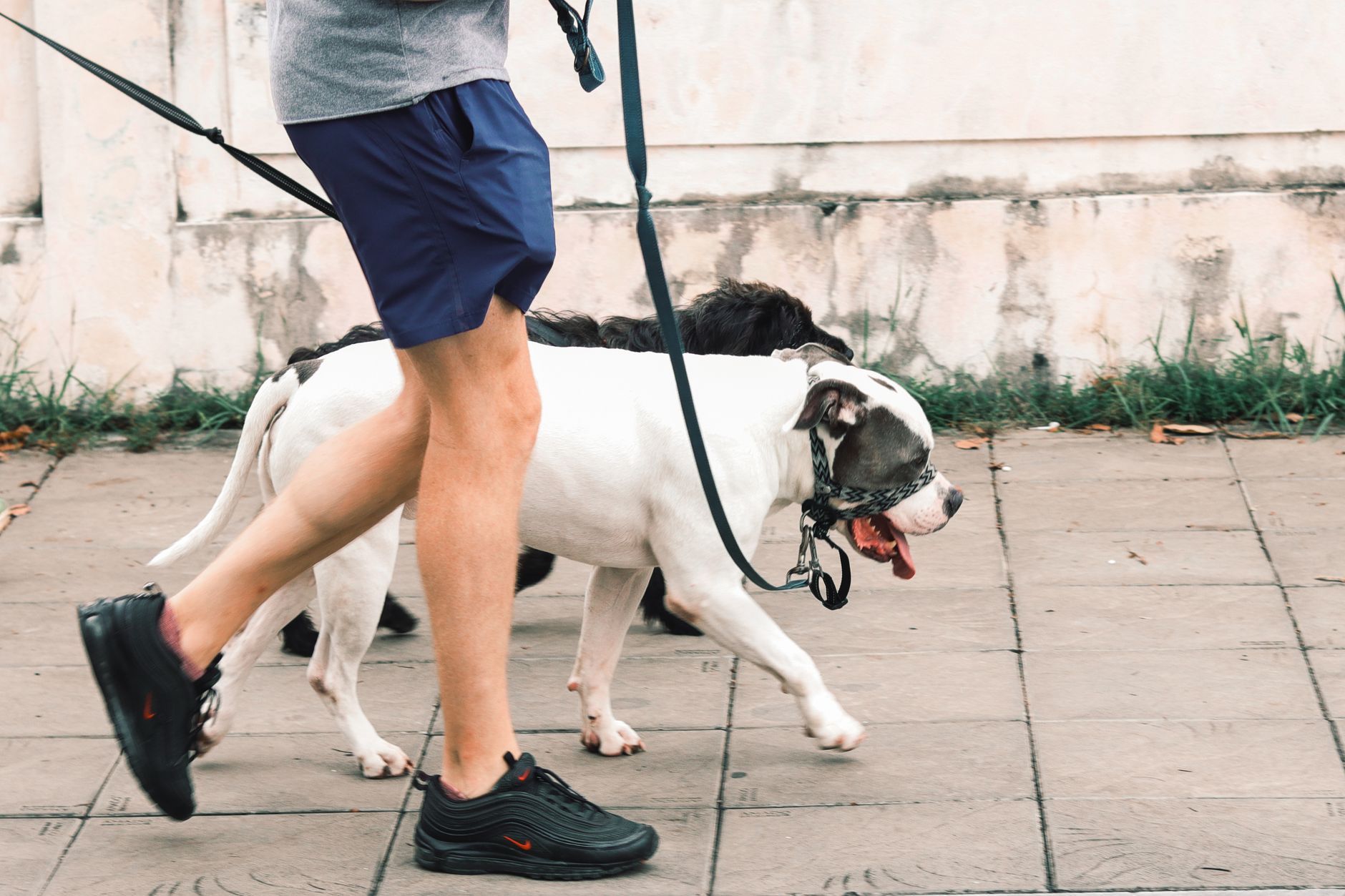
For many owners, a simple walk around the block turns into an exhausting tug-of-war, with the dog charging ahead and the human just trying not to fall. Leash pulling and lunging are more than an inconvenience; they can lead to falls, near-misses with traffic, and conflicts with other people or dogs. Understanding that these behaviors often grow out of normal canine motivations—curiosity, excitement, or worry—helps remove blame from the dog and shift focus to training and management. With consistent practice, realistic expectations, and safe equipment, most dogs can learn to walk more calmly on leash, turning daily walks back into something both sides can look forward to.
Why dogs pull and lunge on walks
Before changing a behavior, it helps to understand what keeps it going. Many pet dogs spend long hours indoors with limited outlets for energy, so the sound of a leash or keys quickly becomes a cue that something exciting is about to happen. Once outside, new smells, sights, and sounds compete for attention, and moving faster feels rewarding in itself. When pulling consistently leads to reaching the park, the tree, or another dog more quickly, the dog simply learns that tension on the leash works. Some dogs also pull because they feel uneasy in certain environments, such as busy roads, narrow sidewalks, or crowds, and want to move past those areas as fast as possible. In other cases, owners unintentionally reward pulling by speeding up when the dog surges ahead or by letting the dog reach every interesting spot while the leash is tight, reinforcing a habit that becomes harder to change over time.
Owner responsibility: calm starts before you leave the door
Leash training does not begin at the end of the driveway; it starts the moment the leash is picked up. Many dogs spin, jump, or bark with excitement while harnesses are being put on, and if the door opens in that state, they quickly learn that high arousal is part of the pre-walk routine. A more thoughtful approach is to pause each time excitement spikes, only continuing when four paws are on the floor and the dog is relatively steady. Practicing short “leash-on, leash-off” routines indoors helps the dog associate calm behavior with the privilege of going out. Owners who stick to consistent rules—no door opening until the dog is under reasonable control—send a clear message about expectations. Keeping this boundary is especially important in households with children or older adults, where a single explosive exit could lead to a dangerous fall.
Choosing safe, appropriate leash and harness equipment
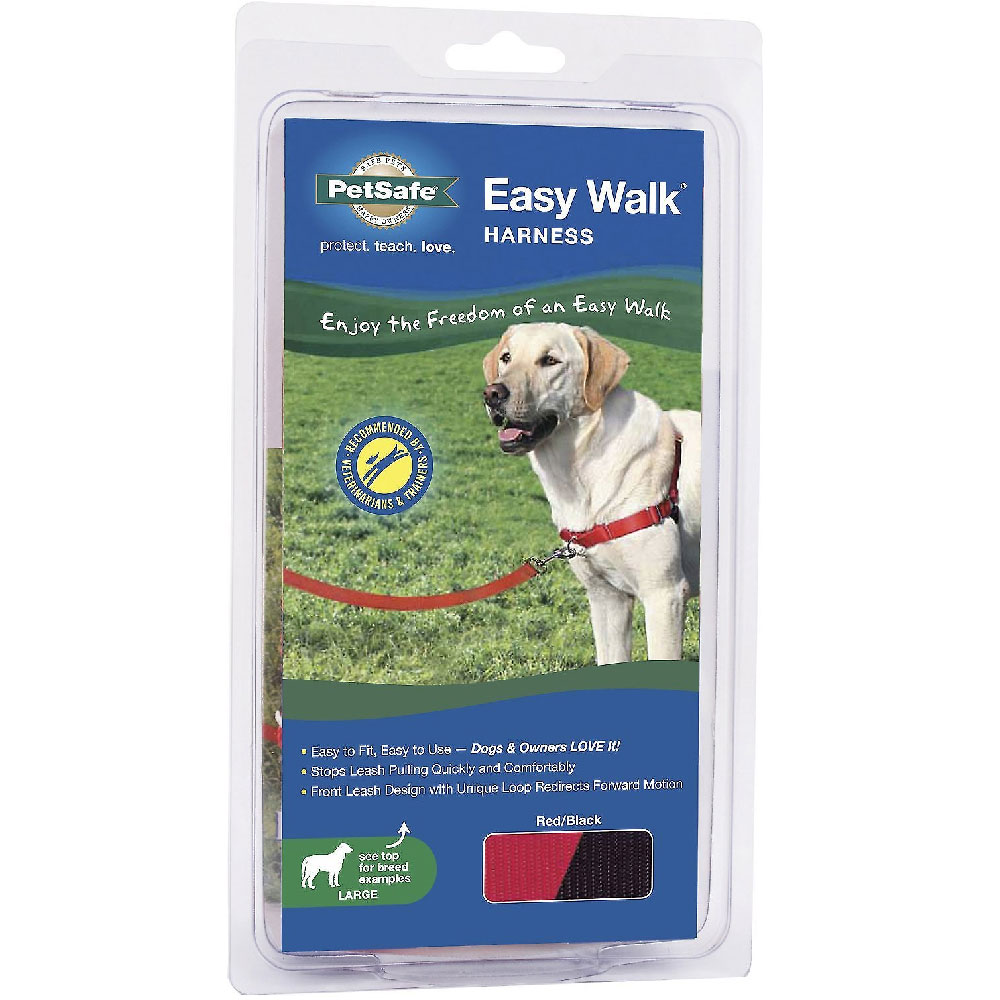
Equipment alone will not solve pulling, but the right tools make training safer and clearer. A standard fixed-length leash of about four to six feet generally offers enough freedom for sniffing without losing control, and it allows the handler to feel subtle changes in tension. In crowded city streets, retractable leashes often create sudden bursts of speed and make it harder to manage traffic, bicycles, and other pedestrians. Harnesses and collars each have pros and cons; well-fitted harnesses can distribute pressure more evenly, which is helpful for smaller dogs or those with sensitive necks. Some front-clip harnesses gently turn the dog back toward the handler when the leash tightens, reducing the mechanical advantage of pulling. Regardless of the tool, devices that rely on pain or fear carry a risk of increasing anxiety or defensive behavior, especially around other dogs. Whenever possible, it is wise to discuss equipment choices with a veterinarian or certified trainer who can consider the dog’s health, body shape, and lifestyle.
Building loose leash skills: teaching the dog to stay near you
The heart of leash training is not about holding a dog back; it is about teaching that staying close to the handler opens doors to good things. Training works best when it begins in a quiet environment, such as a living room or hallway, where distractions are minimal. One simple exercise is to pick a walking side, say the left, then take a few steps while watching for the dog to choose that position on their own. The moment the dog appears by the handler’s leg and moves in the same direction, a small food reward or a soft verbal marker reinforces the choice. Short sequences—walk a few steps, stop, wait for the dog to notice, then continue—encourage the dog to check in frequently. Only when the dog can maintain some focus in calm settings should the training gradually move outdoors to low-traffic areas, helping bridge the gap between practice and real-world walking without overwhelming either dog or handler.
What to do in the moment when your dog suddenly lunges
Even well-practiced dogs sometimes react strongly to surprises: another dog appearing around a corner, a skateboard rolling by, or a cat dashing across the street. In those moments, yanking the leash straight back often results in more tension, and the dog may brace and pull harder. A safer strategy is to stop moving forward, planting both feet to signal that pulling no longer gets closer to the trigger. When it is safe, taking a few steps backward can create space, giving the dog room to breathe and think. Once the leash has slack and the dog’s body language softens, the handler can use a familiar cue—such as a hand target or “look at me”—to re-engage attention. If a particular route consistently produces intense reactions, temporarily choosing quieter streets or wider sidewalks can reduce the number of high-stress encounters, making it easier to practice calmer responses instead of rehearsing lunges day after day.
Gradually increasing difficulty: from quiet streets to real-world chaos
Leash skills built in calm environments need deliberate testing in more complex settings, but only when dog and handler are ready. A useful method is to think in terms of layers: start with quiet side streets, then add mild distractions such as joggers or bicycles, and later introduce busier intersections or parks at off-peak times. Walks can be structured so that challenging segments are short and immediately followed by easier stretches where sniffing and free exploration are allowed. This balance helps prevent frustration and keeps training from feeling like a constant stream of rules. Tracking progress—such as counting how many times the leash goes tight in a ten-minute walk—also gives owners a more objective sense of improvement, even when changes feel slow. When setbacks occur, stepping back to a simpler environment for a few days is not a failure; it is a normal part of learning for both the dog and the human.
When to seek help from a vet or professional trainer
Some signs suggest that pulling and lunging may be part of a bigger picture. Dogs that pant heavily, cough, limp, or tire unusually quickly during walks should be evaluated by a veterinarian to rule out medical issues affecting the heart, lungs, joints, or other systems. Health concerns can make normal exercise uncomfortable, and forcing training in those conditions may add unnecessary stress. If lunging is paired with intense barking, snapping, or obvious fear toward people, dogs, or vehicles, professional support becomes even more important. Trainers with education in behavior science, or veterinary behaviorists, can design step-by-step plans tailored to the dog’s history and the owner’s living environment. The ideas in this article are intended as general guidance rather than a substitute for individualized assessment, and owners are encouraged to reach out to qualified professionals whenever safety or welfare is in doubt.
Bringing it together: treating walks as a shared daily practice
Changing a dog’s leash habits is less about finding a quick trick and more about reshaping the daily routine. When walks are treated as a chance to practice moving through the world together—rather than simply burning off energy—the tone of the entire outing shifts. Owners who take time to set clear expectations at the door, choose appropriate routes, and reward the small moments of calm often notice that their dogs become easier to handle in other situations as well. Some days will still feel messy, especially when schedules are tight or weather is poor, but consistency over weeks and months is what builds lasting habits. Throughout the process, keeping in mind that each dog learns at a different pace, and that health and emotion play a role in behavior, helps maintain a balanced perspective. Information in this guide is offered as general reference; whenever questions arise about health, safety, or behavior, direct consultation with a veterinarian or qualified trainer remains the most reliable path.