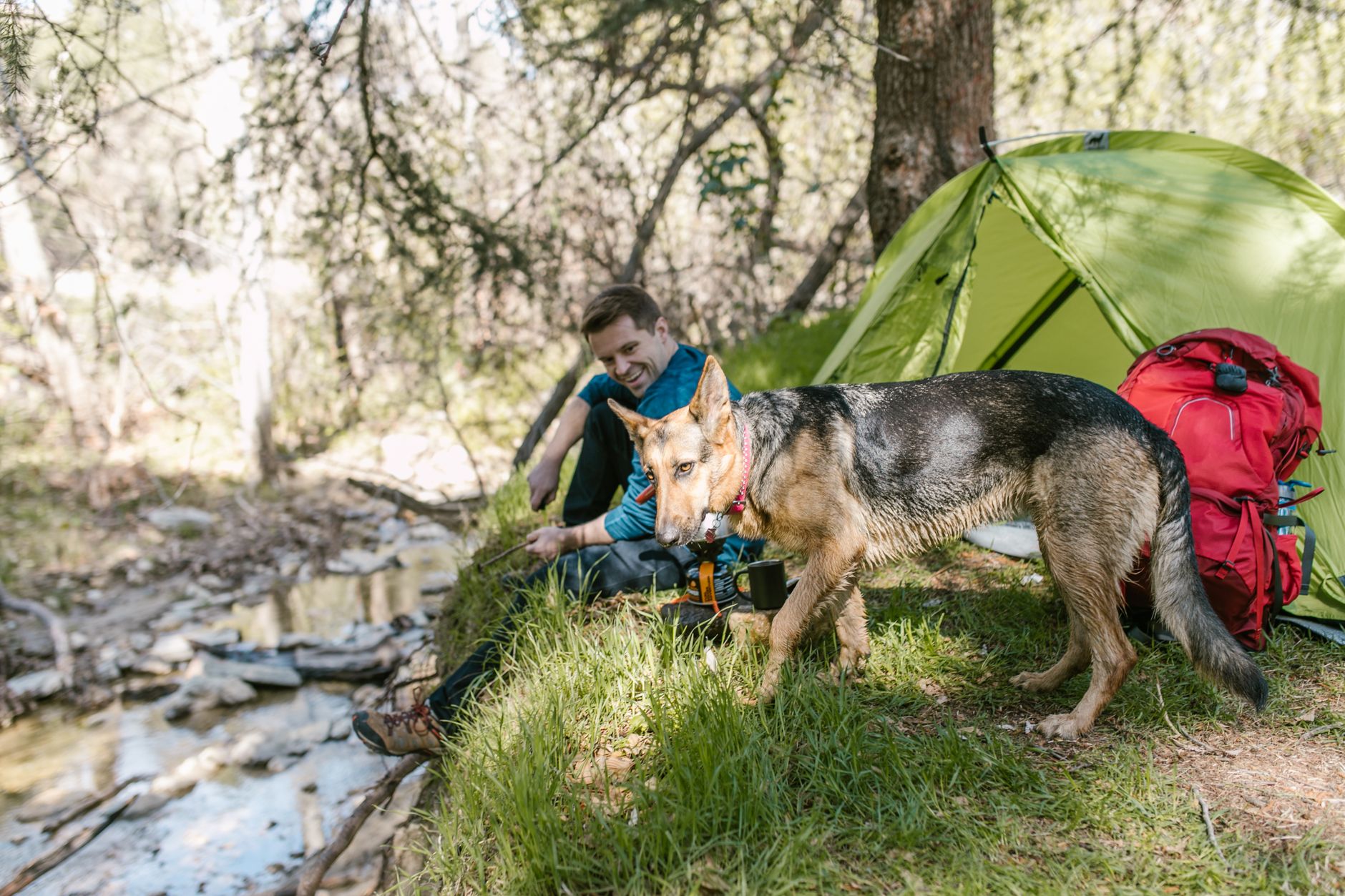
Heading into the mountains or countryside with a pet can turn a regular camping trip into a memorable experience, but it also multiplies the amount of planning required from the human side. New sounds, unfamiliar smells and changing temperatures can be exciting for animals while also triggering stress or risky behavior if there is no structure. Instead of only thinking about cute photos in front of a tent, responsible pet parents need a clear checklist that covers the road trip, campsite routine, night-time arrangements and emergency plans. This article walks through each stage of a typical weekend camping trip and highlights the main pieces of gear and preparation that help keep both pets and people comfortable, safe and considerate of others sharing the same outdoor space.
Assessing whether your pet is ready for camping
Before buying new outdoor gear, it is worth asking whether a specific pet is physically and emotionally ready for camping. Senior dogs, brachycephalic breeds with breathing issues, pets with heart disease or animals who panic in unfamiliar places may be better suited to shorter day trips rather than a full overnight stay. Owners can start by observing how their pet behaves on walks in busy parks: Does the dog pant heavily after mild exercise, or does the cat freeze when hearing unfamiliar noises. These reactions give clues about what might happen at a campsite with other dogs, children and campfires. For pets on long-term medication or with chronic conditions, discussing upcoming travel with the regular veterinarian helps clarify how far they can reasonably go and how to adjust routines. The information in this guide is for general education only; individual decisions about health and travel plans should always be checked with a veterinary professional.
Safe travel to the campsite: crates, harnesses and car setup
Most camping trips start with a drive, and the way a pet is secured in the car often matters more than any fancy camping gadget. A loose dog in the back seat or a cat walking across the dashboard can distract the driver and become a projectile during sudden braking. To reduce this risk, many veterinarians and behaviorists recommend sturdy travel crates, crash-tested harnesses that clip into seat belts, or fixed barriers that keep pets in a defined area. When choosing between a crate and a harness, owners can consider the pet’s habits: some animals relax more easily in a covered kennel with familiar bedding, while others stay calmer seated next to a human in a secure harness. Regardless of the method, ventilation and temperature control are critical, especially in warm climates where car interiors heat up quickly. Pets should not be left alone in parked cars, even on mild days, and rest stops should be planned so they can stretch, drink water and reset before arriving at the campsite.
Everyday campsite gear: leashes, harnesses and ID information
Once at the campsite, basic control tools like leashes and harnesses become the backbone of daily safety. Even if a campground markets itself as dog friendly, it rarely means animals should roam completely off leash. A standard leash and a longer training line allow a dog some freedom to sniff and explore while still preventing sudden dashes toward roads, wildlife or neighboring tents. Harnesses distribute pressure more evenly than collars, which is especially helpful for small breeds and enthusiastic pullers. Alongside these basics, visible identification becomes more important outdoors than at home. A collar tag with a mobile number, a microchip registered with up-to-date contact information and, in some regions, a GPS tag can all help if a pet slips out of a tent or backs out of a harness. Reflective strips or clip-on LED lights on collars and harnesses can make it easier to locate an animal during evening walks and also alert passing cars or cyclists to their presence.
Food and water planning: familiar diets and reliable water sources
Camping is not the ideal time to change a pet’s food brand or introduce rich new treats, even if outdoor cooking makes it tempting to share human meals. Sudden dietary changes can lead to digestive upset, which is inconvenient at home and even more challenging in a tent. A practical approach is to pre-portion regular kibble or wet food into daily bags or containers, clearly labeled for each day of the trip. This reduces guesswork and avoids overfeeding during a relaxed holiday mood. Safe water is equally important because streams, ponds or puddles may carry bacteria or parasites that are invisible to the naked eye. Bringing enough drinking water for both humans and animals or packing a filter or boiling system provides more control over quality. For pets that tend to drink very little, owners can incorporate moisture by mixing a bit of warm water into meals or offering wet food in addition to dry. Keeping feeding times close to the usual home routine can also lower stress and make the overall experience feel more predictable for the animal.
Sleep and rest setup: tents, bedding and temperature management
A well-thought-out sleep setup can make the difference between a restful night and a restless one for everyone in the tent. Pets often relax more easily when they have a familiar bed, blanket or crate that smells like home, so packing their usual sleeping item is a simple but powerful comfort tool. The ground at campsites can be cold, damp or uneven, which is uncomfortable for joints, especially in older dogs. Adding an insulating layer such as a foam pad or a foldable camp mat under the pet’s bed helps reduce contact with cold soil. Decisions about where the pet sleeps—inside the main tent, in a vestibule, or in a separate crate under a tarp—should balance temperature, ventilation and security. In cooler weather, a lightweight jacket or extra blanket may be appropriate, but owners should monitor for signs of overheating as well as shivering. Climbing in and out of tents or vehicles also deserves attention; steps or ramps can be helpful for dogs with hip or spine issues, minimizing the strain of repeated jumping throughout the weekend.
Hygiene and toileting: cleaning routines and campsite etiquette
Hygiene is an often underestimated aspect of camping with pets, yet it strongly influences relationships with other campers and the campground itself. A simple kit with waste bags, hand sanitizer, biodegradable wipes and a dedicated trash bag can transform toileting into a manageable routine. Dogs should be taken to suitable areas away from tents and cooking zones, keeping in mind local rules and any designated pet zones. All solid waste needs to be picked up and disposed of according to campground instructions, whether that means trash bins or pack-out policies. For muddy trails or rainy days, towels, a soft brush and a mild pet-safe cleaning product help remove dirt from paws and fur before the animal returns to the tent. This not only keeps sleeping areas more pleasant but also reduces the time fur stays damp, which can otherwise contribute to skin irritation. Clear, consistent toileting habits and clean-up practices send a strong signal that animals and outdoor recreation can coexist without compromising comfort or hygiene for others.
Protection and first-aid: medical kits and emergency planning
Spending time outdoors exposes pets to minor cuts, insect bites and occasional scares, so a basic first-aid kit and emergency plan are sensible additions to any packing list. A compact kit might include saline or another gentle rinse for flushing small wounds, sterile gauze pads, bandage material, adhesive tape and a pair of blunt-tip scissors. Owners can also ask their veterinarian which over-the-counter products are safe for their pet’s species and health status, and how to recognize situations that require professional help. Before leaving home, it is helpful to look up veterinary clinics near the destination, note their phone numbers and open hours, and save these details both on paper and in a phone in case of battery issues. Some regions have higher risks of ticks, snakes or specific infectious diseases, so preventive products and vaccinations may need to be updated well in advance of the trip. All medical information in this article is general in nature and for reference only; personal medical decisions for pets are best made in consultation with a qualified veterinarian who knows the animal’s history.
Sharing space: interacting with other campers and their pets
Campsites function as temporary neighborhoods, where each group’s behavior affects the experience of everyone nearby. Dogs that bark constantly, dart into other people’s sites or steal food from picnic tables can quickly create tension. To prevent this, owners can practice basic cues such as coming when called, settling on a mat and walking politely on a leash before the trip. When children or strangers ask to pet a dog, it is reasonable for the owner to say yes or no based on the animal’s comfort level, and to explain simple rules like approaching calmly and avoiding hugs. Meeting other dogs should be handled with similar care, using leashes, neutral space and slow introductions rather than allowing high-speed greetings at the edge of a tent. If a pet becomes overwhelmed by noise or crowding, a short walk away from the busiest areas or quiet time in the car or crate can help reset their mood. Clear communication, awareness of boundaries and an emphasis on respect for others turn pet-friendly camping from a potential source of conflict into a positive example of responsible outdoor recreation.
Closing thoughts: preparation as an expression of responsibility
At first glance, a gear checklist for camping with pets may look long, but each item reflects a specific aspect of responsibility rather than a desire to complicate travel. Crates, harnesses and ID tags speak to safety; familiar food and water planning address comfort and health; bedding, hygiene tools and first-aid supplies show care for both the animal and the shared environment. By thinking through likely scenarios before leaving home, pet parents reduce the chances of stressful surprises and create space for spontaneous joy, such as watching a dog calmly nap in the shade or trot confidently along a forest trail. This guide is meant as a general framework, not a strict rulebook, and individual needs will vary depending on species, age and temperament. Whenever questions about health or behavior arise, especially in demanding outdoor settings, seeking advice from a veterinarian or qualified trainer remains an important step so that every camping memory can be linked with respect, safety and genuine enjoyment for all involved.