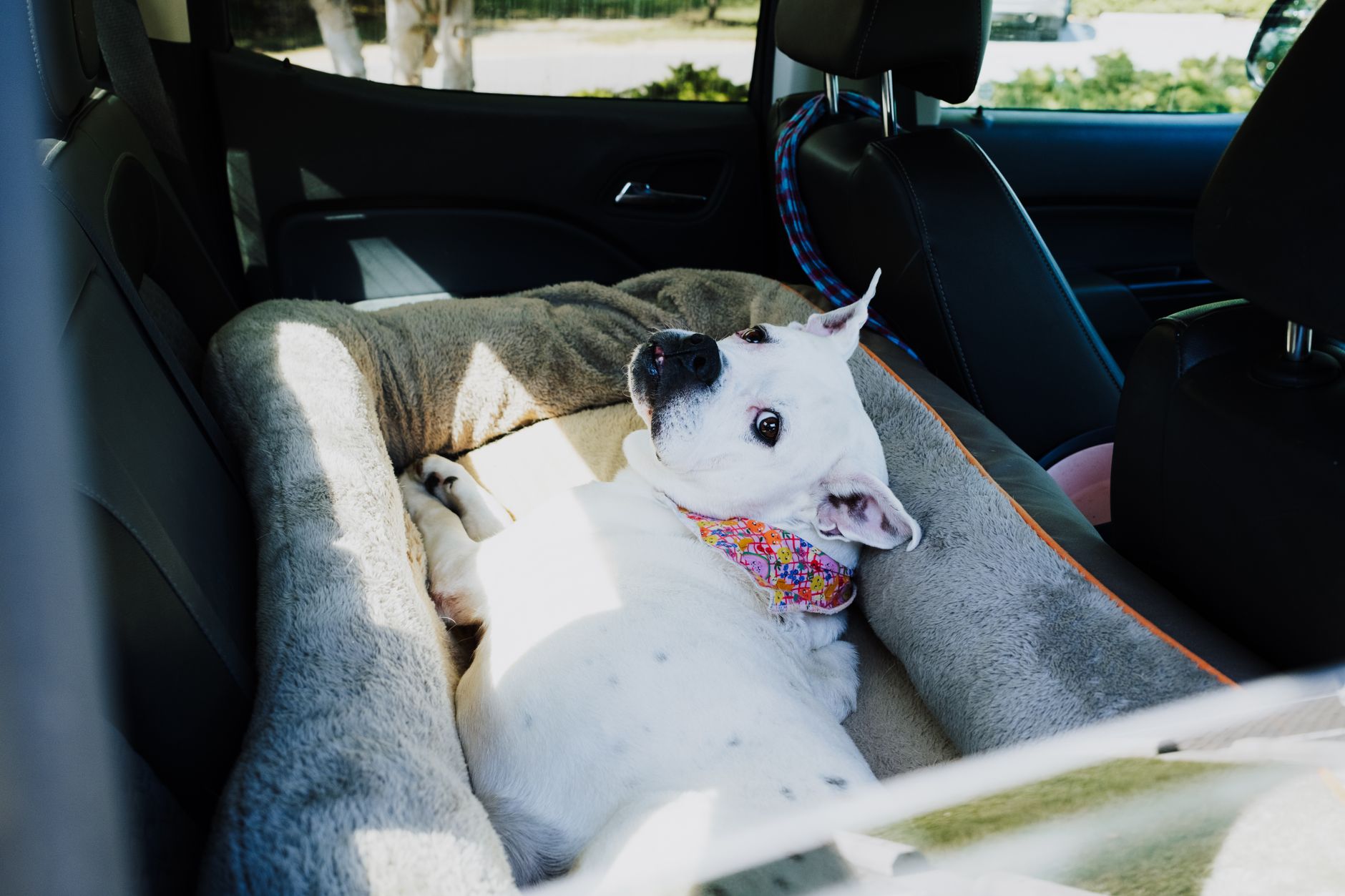
For many people, the idea of a long road trip with a dog or cat in the back seat is part of a perfect holiday. In reality, the first long drive often reveals a different picture: pets drooling, panting, trying to climb onto the driver’s lap, or hiding in a carrier and refusing to move. On busy highways or unfamiliar country roads, these reactions are not only uncomfortable for the animal but can also distract the driver. This article focuses on the specific scenario of long car travel with pets, explaining common motion sickness signs, practical safety setups in the car, and how to plan the route and breaks with the animal’s needs in mind. All health-related information here is general guidance only; for individual concerns, owners should speak directly with a veterinarian.
Why long car rides can be tough for dogs and cats
Pets often experience car travel as a mix of physical movement and emotional stress. The vibration of the vehicle, changing speed, engine noise, new smells and sights, and being confined in a small space can easily overwhelm an animal that is used to short drives only. Many dogs associate the car mainly with vet visits or grooming appointments, so the sound of the door closing already signals something worrying. Cats tend to be even more sensitive to environmental change and may react to the carrier, the motion of the car, and unfamiliar sounds by freezing, hiding, or vocalizing loudly. In hot climates or during summer, warm cabins and poor air circulation add another layer of discomfort. Understanding these combined stressors helps owners plan more gradual exposure, calmer routines, and generous rest stops instead of assuming pets will “get used to it” in one go.
Pre-trip health check: which pets need extra caution?
Before planning a long drive, it is important to consider the pet’s age, known medical conditions, and past travel history. Senior dogs and cats, animals with heart or respiratory disease, or those recovering from recent surgery may be more vulnerable during long hours in a confined, moving space. Pets with chronic urinary issues also need careful monitoring of access to water and opportunities to eliminate. If a pet has a history of severe motion sickness with repeated vomiting or intense stress whenever it is in a car, owners should talk to a veterinarian ahead of time about possible strategies, which may include behavioral changes or prescription medication. It is also wise to watch the animal’s appetite, energy, and urination and defecation patterns in the days before travel; if anything seems clearly off, postponing the trip and visiting a clinic may be safer. All such decisions should be based on professional advice, and general articles like this one can only offer starting points for discussion.
Common signs of motion sickness in pets
During the drive, several early signs can suggest that a dog or cat is feeling carsick. These include persistent drooling, repeated lip-licking, excessive panting, and shifting position as if unable to get comfortable. Some animals vocalize more than usual, whine or meow continuously, or suddenly become unnaturally quiet and withdrawn. In more pronounced cases, vomiting or loss of control over bowel movements can occur, especially on winding roads or in stop-and-go traffic. Owners should pay close attention during the first half hour of the trip, when patterns often become clear. If discomfort appears mild and temporary, a short stop, fresh air, and a calm environment can sometimes help. However, frequent vomiting, obvious distress, or signs like wobbling when walking are reasons to slow down the journey, seek a safe place to park, and consider contacting a veterinary clinic. The goal is not to push through at all costs but to recognize when the pet’s wellbeing requires a change of plan.
Safe setup in the car: crates, harnesses and where pets should sit
Safety is a major concern on long road trips, and free movement of animals inside the car is risky. Dogs or cats wandering between seats can interfere with driving, and an unrestrained pet may be thrown forward in sudden braking or a collision. For small to medium-sized dogs and cats, a well-built travel crate secured on the back seat or in the cargo area is often a practical solution. Larger dogs can be fitted with a dedicated car harness that clips into the vehicle’s seat belt system, keeping them in place while allowing some freedom to lie down. When choosing equipment, owners should look for solid construction, stable attachment points, non-slip surfaces, and materials that are easy to clean after the trip. It is also helpful to set up the designated spot at home or during short city drives so the pet can build a sense of familiarity. Sitting on the driver’s lap or unrestrained in the front seat should be avoided, no matter how calm the animal appears, as emergencies on the road are unpredictable.
Food, water and rest stops: planning the rhythm of the journey
Another common question is how to handle meals around a long drive. Giving a very large meal right before departure can put extra strain on the stomach, but leaving a pet completely without food for many hours is not ideal either. A balanced approach is to offer a small portion of its usual diet a few hours before leaving and then adjust based on previous motion sickness experiences. During the trip, owners can plan rest stops every two to three hours, depending on the route and the animal’s needs. Dogs benefit from short walks in safe areas to stretch, sniff, and relieve themselves, while cats may prefer staying in their crate with the car parked and the cabin ventilated calmly. Fresh water should be available regularly, and collapsible bowls or travel bottles make this easier. In warm weather, it is especially important not to leave pets alone in a parked car, even for brief errands, as cabin temperatures can rise quickly and pose serious risks.
Easing anxiety: how much contact helps and when it becomes too much
Motion sickness and emotional stress often reinforce each other, so addressing anxiety is part of protecting the animal’s comfort. Familiar blankets, toys, or bedding placed in the crate or on the back seat can create a “safe corner” that smells like home. Soft, steady speech from the owner and predictable routines at the start and end of the ride can also help. However, constant loud talking, frequent changes of position, or repeated picking up and putting down the pet may increase tension instead of reducing it. Ideally, a calm passenger can sit near the dog or cat, offering reassurance while respecting boundaries and keeping the animal safely restrained. For pets with severe anxiety or a long history of stressful travel, owners may ask their veterinarian about behavioral strategies or, where appropriate, medications designed for animals. Any use of calming products or drugs should be guided by a professional, and online information should not be treated as a substitute for medical judgment.
Training and route design: building up distance gradually
For pets that have only experienced short rides to nearby locations, jumping straight into an all-day road trip is a big leap. A more responsible approach is to build tolerance gradually. Owners can start with short drives of ten to twenty minutes to positive destinations such as quiet parks, and observe the animal’s reactions. Over several sessions, distance and duration can be increased while keeping the crate or harness setup consistent so the pet associates the car with predictable safety rather than sudden changes. When planning the actual long trip, it is helpful to mark potential rest stops on the route, consider traffic patterns, and leave buffer time for unexpected delays or health-related pauses. This kind of planning respects the pet as a companion with specific needs rather than treating it as luggage that must simply endure the journey.
When to stop the trip and seek veterinary help
Along the way, owners need to judge whether signs of discomfort are within a manageable range or indicate a more serious problem. Mild drooling, occasional whining, or one episode of vomiting with otherwise normal behavior may improve with a longer break and gentle care. In contrast, repeated vomiting, persistent refusal to move, labored breathing, marked lethargy, or signs of pain should be taken seriously. In these cases, shortening the trip or heading to the nearest available veterinary clinic is more important than reaching the original destination. A veterinarian can determine whether the symptoms are related mainly to motion sickness, dehydration, an underlying condition, or something else entirely, and suggest appropriate next steps. Guidance in articles like this can help owners think through scenarios in advance, but final decisions about diagnosis, treatment, and medication must always be made with professional input.
Conclusion: treating long drives as shared responsibility
A long car trip with a pet is not just about covering kilometers; it is about sharing responsibility for comfort and safety over many hours. When owners take time to understand why travel can be challenging, prepare suitable restraint systems, plan meals and rest stops thoughtfully, and stay alert to signs of distress, road journeys become more manageable for both humans and animals. Rather than expecting any single tip to eliminate all problems, it is more realistic to view these practices as tools for reducing risk and responding promptly when the pet is unwell. The information in this guide is intended as general reference and does not replace veterinary care. Whenever health, medication, or travel suitability is in doubt, speaking with a trusted veterinarian before or during the trip remains the most reliable way to protect a four-legged passenger.