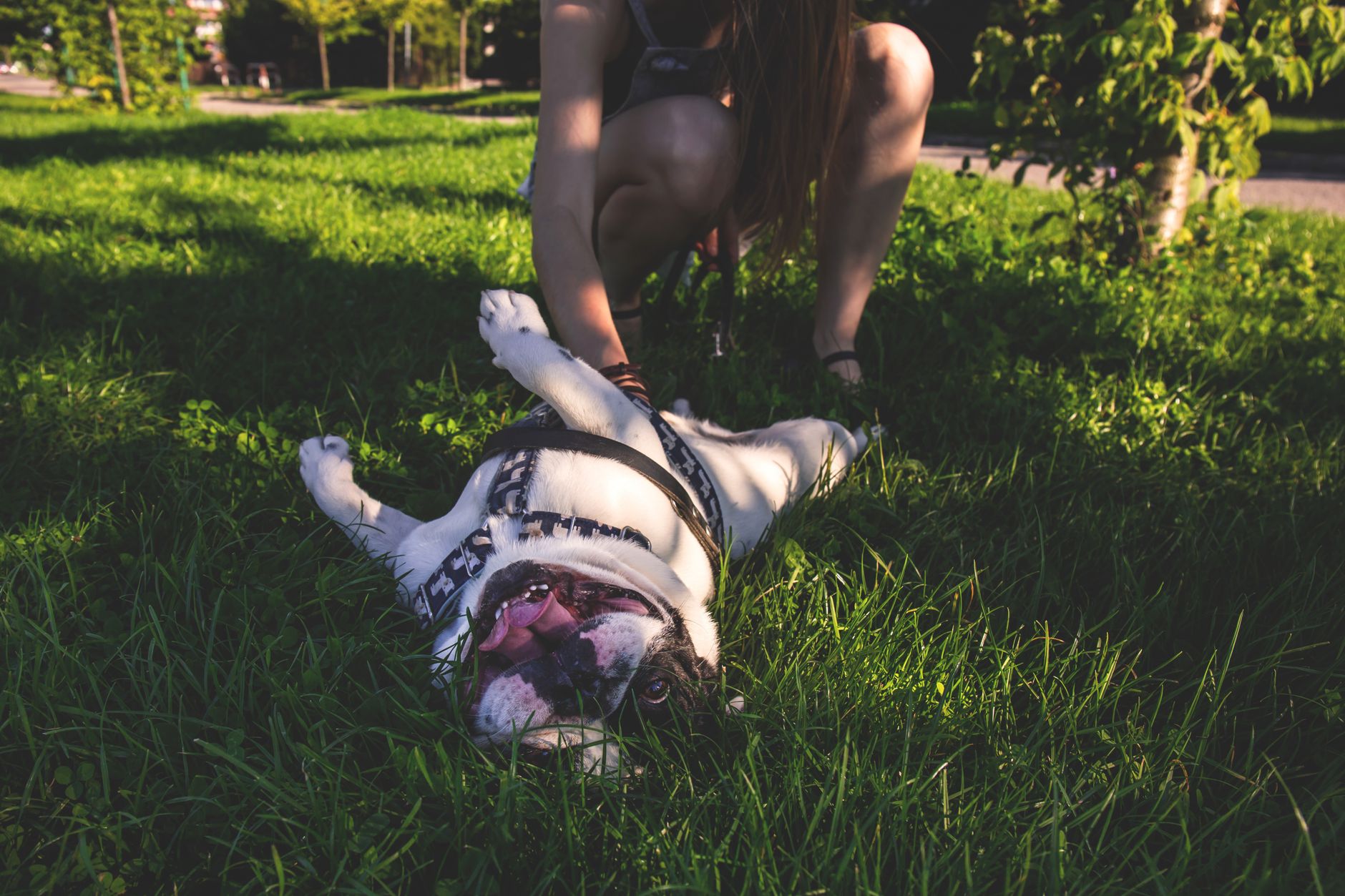
During summer, many owners enjoy longer walks, trips to parks and outdoor gatherings with their pets, but few realize how quickly a dog or cat can develop heat stress in hot, humid weather. Unlike humans, pets rely mainly on panting and limited sweat glands to release excess heat, which becomes less effective once the air is already warm and sticky. Situations such as midday walks on asphalt, staying in a parked car, playing under direct sun at the beach or waiting at outdoor events can all push a pet’s body temperature upward in a short period of time. Heatstroke is considered an emergency condition, and delays in response may affect long‑term health or survival. Owners therefore carry an important responsibility to recognize early signs, react with appropriate first aid and plan daily routines that reduce exposure to dangerous heat. The information below is for general education only; whenever there is doubt, consultation with a veterinarian is recommended.
Why pets are especially vulnerable to summer heat
From a physiological standpoint, pets are not designed to cope with modern urban heat waves in the same way humans do. Dogs do not have large sweatable skin surfaces and mainly cool down by panting and a small number of sweat glands located in the paw pads. Brachycephalic breeds such as pugs, French bulldogs and English bulldogs have shorter noses and narrower airways, making it harder for them to move enough air through the respiratory tract when the environment is hot. Cats may appear calm and inactive, but long hair coats, poor ventilation indoors or intense sun coming through windows can still increase their body temperature. Asphalt, concrete and artificial turf in cities absorb and radiate heat throughout the day, creating conditions where the air feels hotter near the ground where pets spend most of their time. When these environmental factors combine with limited access to shade or water, even a seemingly normal walk or play session can push a pet into a dangerous temperature range more quickly than owners expect.
Typical heatstroke signs owners should watch for
Recognizing early warning signs is one of the most effective ways for owners to protect their pets in summer. Many dogs with suspected heatstroke show very rapid, labored breathing, often with a wide open mouth and a bright or dark red tongue. Salivation can increase, and some pets appear restless, pacing or seeking cooler surfaces. As the condition progresses, coordination may deteriorate; pets can stumble, lie down and show difficulty standing up again. In more severe situations, vomiting, diarrhea or collapse may occur, and gums or tongue can turn bluish or grayish, suggesting poor oxygen delivery. Cats often hide, breathe faster than usual or resist being handled. Owners who routinely touch their pet’s ears, armpits and belly may notice that these areas feel unusually hot. Although home thermometers can offer additional information, they should serve mainly as a rough guide rather than a reason to attempt extreme cooling measures. Any combination of abnormal breathing, marked lethargy and changes in awareness deserves careful attention.
Home first aid steps when heatstroke is suspected
If a pet shows signs that raise concern for heatstress after exposure to heat, the first priority is to move the animal away from the hot environment. Owners can bring the pet into a shaded, well‑ventilated area and turn on a fan or air conditioning, keeping indoor temperatures comfortable rather than excessively cold. Cool, not icy, water can be used to gently wet towels and place them on the paws, belly and neck to support gradual cooling. Fresh drinking water should be offered so the pet can take small, voluntary sips, avoiding forced intake or large amounts at once that may lead to vomiting. It is important not to immerse a pet suddenly in ice water or apply ice packs directly to the body, as abrupt temperature changes can be stressful and may not improve internal heat balance. Home first aid should always be viewed as a temporary stabilizing step; if signs do not clearly improve, or if the pet collapses, continues to breathe heavily or shows neurological symptoms such as seizures, the next action should be to contact a veterinary clinic as soon as possible.
When immediate veterinary care is needed
Owners sometimes hesitate to seek veterinary help, worried that they may be overreacting, yet with heatstroke it is safer to err on the side of caution. If a pet appears disoriented, cannot stand or walk normally, has persistent extremely rapid breathing or shows bluish discoloration of the gums, urgent professional assessment is warranted. Senior pets, animals with heart or respiratory disease and brachycephalic breeds face additional risk because their bodies may struggle to cope with the extra strain heat places on circulation and breathing. Vomiting, profuse diarrhea, seizures or collapse indicate that more than simple heat stress may be present. Veterinary teams can monitor temperature, hydration status and organ function, and provide supportive measures such as fluids and oxygen when needed. Decisions regarding tests or treatments depend on individual circumstances and should be made by a veterinarian who can evaluate the whole clinical picture. Educational articles can highlight common patterns, but they cannot replace medical judgment, so contacting a trusted clinic whenever there is doubt is an important part of responsible ownership.
Everyday prevention: walking routines, environment and hydration
Preventing heat‑related problems starts with planning a pet’s day around safer temperature ranges and more comfortable surfaces. In many regions, early morning and late evening offer cooler conditions for walks compared with midday, when sunlight and radiant heat from roads peak. Owners can test pavement with the back of a hand or bare foot; if it feels uncomfortably hot, it is likely too hot for a dog’s paws and may contribute to body heat build‑up. Choosing routes that include trees, grass and shaded areas, and allowing regular rest breaks, helps reduce thermal stress. At home, attention should be paid to sun‑exposed balconies, glass doors and rooms with poor air circulation, making sure pets have access to cooler zones rather than being left in enclosed spaces that warm up during the day. Fresh water should be available at all times in clean bowls or drinking fountains, and owners may consider placing multiple water stations for multi‑pet households or larger homes. During trips, hikes or visits to dog‑friendly venues, carrying a portable bowl, extra water and simple shade solutions such as umbrellas or pop‑up tents can make outdoor experiences safer and more enjoyable.
High‑risk scenarios: cars, events and travel with pets
Certain everyday scenarios regularly appear in discussions about pet heatstroke because they combine strong environmental heat with limited options for the animal to escape. Staying in a parked car, even for what feels like a short errand, is one of the most prominent examples. Sunlight and closed spaces allow cabin temperatures to rise quickly, and partial window openings do not reliably prevent dangerous heat buildup. Leaving a pet unattended in a vehicle is therefore a situation many veterinarians and welfare organizations strongly discourage. Long walks on open pavement, visits to beaches without shade and participation in crowded outdoor festivals also carry risk, especially when pets become excited and may not show early signs of discomfort clearly. Owners can reduce danger by planning shorter routes, scheduling breaks in cool areas and watching breathing patterns and behavior throughout the activity. For travel days that involve flights, trains or long drives, advance conversations with transport providers and veterinary teams about temperature control and contingency plans can help align expectations. Treating flexibility in plans as a normal part of pet‑friendly outings allows owners to adjust or end activities early when conditions become too hot.
Conclusion: building heat awareness into summer pet care
Heatstroke in pets is not limited to rare extremes; it can arise during ordinary summer routines if owners underestimate how challenging hot environments can be for animals. By integrating heat awareness into daily care, such as checking ground temperatures, offering constant access to water, choosing cooler times for exercise and avoiding confinement in vehicles, owners create a safer baseline for their dogs and cats. Observing breathing, energy levels and attitude becomes a simple but valuable habit that can highlight changes early. The guidance presented in this article is intended for general information only and may not address every individual situation. Whenever a pet shows worrying signs or when owners feel uncertain about how serious a heat‑related problem might be, seeking advice from a veterinarian or emergency clinic is recommended. Responsible decisions made before, during and after exposure to summer heat can make a substantial difference in a pet’s comfort and long‑term wellbeing.