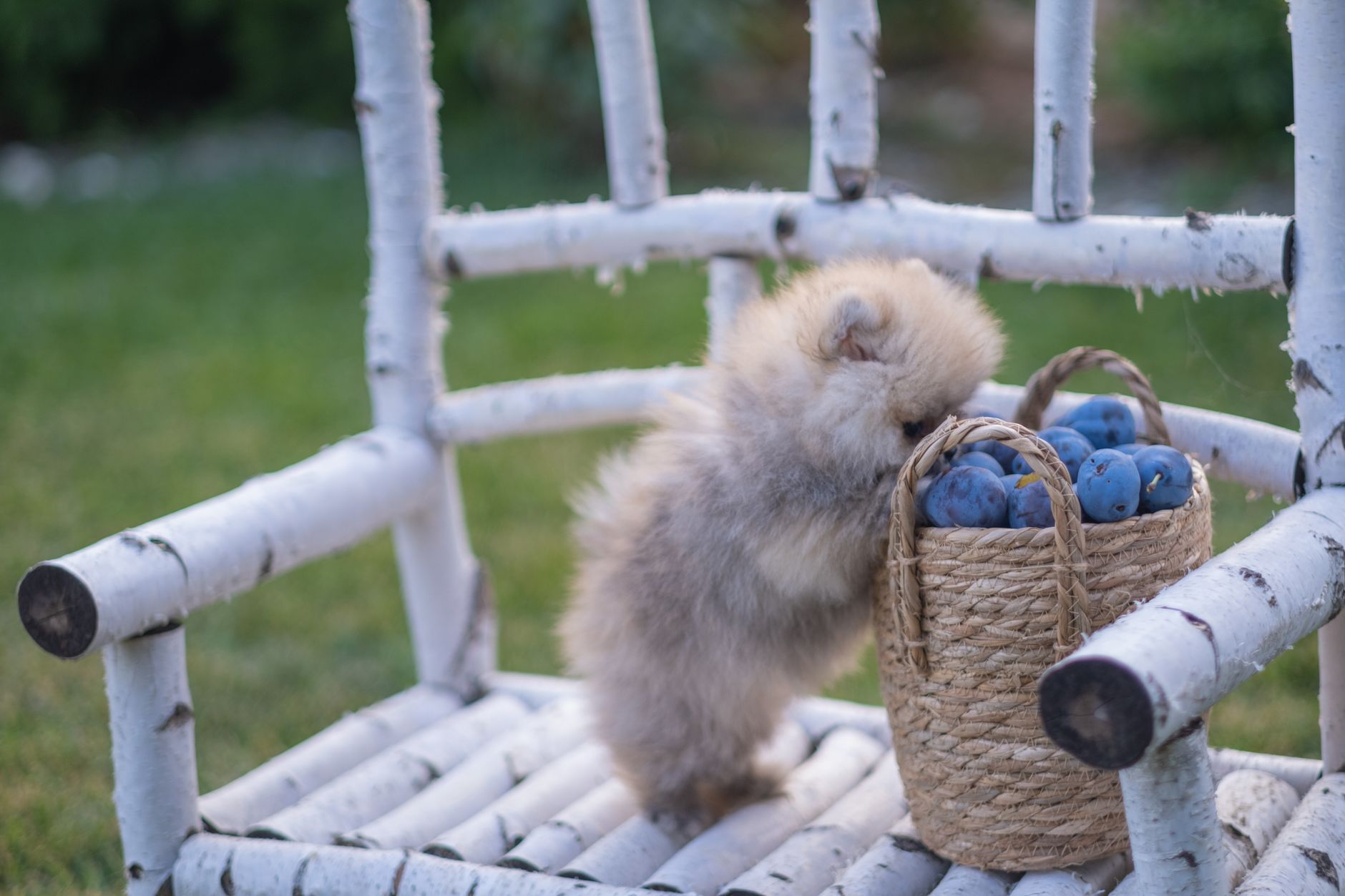
On a hot summer day, it is common for a puppy or small dog to stare eagerly when an owner slices a fragrant peach. The fruit looks refreshing and harmless, so many people naturally think about sharing a bite. However, fruit is not part of a dog’s essential diet, and different parts of a peach have very different risk levels. Before offering any piece to a dog, owners need to understand how peach flesh, skin and pit affect digestion, what role sugar and calories play, and how age or health conditions change the picture. This guide focuses on practical safety considerations so owners can decide whether a peach should stay in the human bowl or occasionally appear in the dog’s treat plan.
Peach flesh: when a small amount can be an occasional treat
For many healthy adult dogs, a small portion of peeled, pit‑free peach flesh can be used as an occasional snack rather than a daily staple. Peach flesh mainly provides water and natural sugars, and some dogs enjoy the taste and soft texture. Even so, their digestive system is different from humans, and too much fruit in one sitting may lead to loose stool or more frequent bowel movements, especially in dogs with sensitive stomachs. A cautious approach is to cut the peach into small pieces and keep the amount low, treating it as an occasional reward instead of part of a regular menu. Owners also need to include peach in the overall treat calculation, keeping all snacks at a modest fraction of the dog’s daily food intake so fruit does not quietly crowd out more balanced options.
- Use peeled, pit‑free peach flesh only
- Offer small pieces as an occasional reward
- Monitor stool and behaviour after new treats
- Do not turn peaches into a daily snack habit
Peach pit and skin: the parts that should be strictly avoided
While the soft flesh is easier to manage, peach pits and skin come with higher risk and are better kept away from dogs entirely. The pit is hard, relatively large and can become a choking hazard or foreign object in the digestive tract, a serious concern for puppies and small breeds with narrower passageways. In addition, pits are not intended as chew toys and may contain components that are unsuitable for pets, so they should be removed and discarded where dogs cannot access them. Peach skin can be harder to digest for some animals and may carry residues from farming and handling, even after washing. From a practical standpoint, the simplest safety rule is to peel the peach thoroughly, remove the pit, and only consider sharing a small amount of clean flesh if the dog’s health and diet allow it.
- Never let dogs chew or play with peach pits
- Keep pits out of reach to avoid accidental swallowing
- Peel peaches before offering any portion to a pet
- Focus only on the flesh when considering a small treat
Sugar and calories: extra caution for small and less active dogs
Peaches may be natural, but the sugar and calories they contain still matter for a dog’s weight and overall diet. Smaller dogs have less room in their daily energy budget, so a handful of sweet fruit can be a significant extra load, especially when combined with other treats like biscuits, jerky or soft snacks. Dogs that are already on the heavy side, have joint strain, or lead a low‑activity lifestyle are particularly sensitive to additional calories. A practical way to handle this is to list all treats a dog receives in a typical day, from training rewards to table scraps, and then decide whether fruit is genuinely needed. If the list is already long, skipping peaches is a simple way to keep the diet more controlled; if treats are rare and the dog is in good shape, a couple of tiny peach pieces on occasion might fit without disrupting the overall balance.
- Small dogs have limited tolerance for extra calories
- Multiple treat types can easily add up during a day
- Overweight or less active dogs need stricter snack control
- Peaches should be seen as optional, not essential
Puppies, senior dogs and medical conditions: ask a veterinarian first
Age and health status strongly influence whether new snacks, including fruit, are appropriate. Puppies are still developing and typically rely on carefully formulated puppy food as their main diet, so adding fruit can change the planned nutrient balance. Senior dogs may already be managing weight, mobility or chronic conditions, and sweet fruits can alter aspects such as calorie intake or digestion. For any dog with existing health concerns, medication routines or special dietary instructions, owners should consult a veterinarian before introducing peaches or other human foods. If there are signs of digestive sensitivity, blood sugar concerns, or other ongoing medical issues, it is safer to treat peaches as a “check with the vet first” item rather than a casual treat choice decided at the kitchen counter.
- Puppies should prioritise complete puppy formulas
- Senior dogs often have more complex dietary needs
- Dogs with chronic conditions or on medication need professional guidance
- When in doubt, discuss fruit snacks with a veterinarian before trying them
Safe feeding steps and alternative treat options
If a veterinarian has no objections and the dog is healthy, owners who still want to share a small taste of peach can follow a few basic steps to reduce risk. Choose a ripe peach without off smells, wash the fruit, then peel it completely and remove the pit before cutting the flesh into tiny, bite‑sized pieces. Start with a very small amount on the first day and observe stool quality, appetite and behaviour over the next twenty‑four hours. For a long‑term treat plan, consider relying more on snacks designed specifically for dogs, such as low‑sugar commercial treats, single‑ingredient dried meat or balanced fresh food products. These options are formulated with canine needs in mind and make it easier to keep nutrients, additives and portion sizes within a reasonable range, while peaches remain an occasional extra rather than a core part of the treat routine.
- Peel and pit the peach, then cut it into tiny pieces
- Introduce only a small amount at first and monitor the dog
- Prefer dog‑specific treats for regular reward use
- Let peaches stay as an occasional, non‑essential extra when appropriate
Takeaway: peaches should stay an optional “sometimes” snack
Overall, peeled and pit‑free peach flesh in very small portions can be considered an optional treat for many healthy adult dogs, provided that total snacks remain modest and the dog has no special dietary restrictions. The pit and skin, however, are best kept completely out of a dog’s reach due to choking and digestive concerns. For puppies, senior dogs or pets with medical conditions, any change to the snack list, including fruit, should first be discussed with a veterinarian. In everyday life, peaches do not need to be a permanent item in a dog’s treat box; choosing well‑formulated dog food and purpose‑made treats as the main options allows owners to enjoy bonding moments with their pets while staying within a safer and more predictable dietary framework.
This article is for general reference on everyday pet care only. If your pet has any health issues, please consult a veterinarian for professional diagnosis.