When mango season arrives, many dog parents wonder if they can share a bite of this sweet tropical fruit with their puppy. From a risk perspective, small amounts of ripe mango flesh can be acceptable for many healthy adult dogs, but puppies and dogs with sensitive stomachs require a more cautious approach. Mango naturally contains sugar and fiber, and too much at once may overload the digestive system and lead to loose stools or discomfort. The pit and peel are a different story and are not appropriate for dogs, because they are hard to chew and digest and can become choking or blockage hazards. So the real question is not only “can puppies eat mango,” but “how should mango be offered, in what amount, and which dogs are better off skipping it altogether.”
Is Ripe Mango Flesh Safe for Puppies? General Guidelines and Limits
When it comes to ripe mango flesh, the key points are moderation and preparation. Peeled, pitted, ripe mango cut into tiny pieces can sometimes be used as an occasional treat, but it should never replace a complete and balanced puppy diet. Mango is high in natural sugars, so frequent or large servings can push overall calorie intake up and place extra stress on weight management and dental health. A puppy’s digestive system is still developing and can react strongly to sudden changes in sugar or fiber, which is why some dogs show soft stools or temporary digestive upset after trying mango for the first time. A more careful strategy is to introduce new foods slowly, starting with a single small cube and watching for any change in appetite, energy level or stool over the next day. Dogs with chronic conditions, such as pancreatic issues or metabolic disease, should not be given mango without a vet’s approval, and any dietary decision for these cases is best made in direct consultation with a veterinary professional. The information discussed here is intended as general guidance only and does not replace individualized medical advice.
Why Mango Peel and Pit Are Not Recommended for Dogs
Mango peel and pit carry a much higher level of risk than the flesh and are generally not recommended for dogs. The peel is tough and fibrous, making it hard to chew thoroughly and more difficult for the digestive tract to handle. Swallowing larger pieces can lead to gagging, choking or partial obstruction, which might show up as repeated attempts to vomit, reduced appetite and general lethargy. The mango pit is even more problematic: it is large, hard and roughly shaped, and if a small dog or puppy swallows it, the pit can lodge within the intestinal tract and block the passage of food. In those situations, imaging studies such as X‑rays are often needed to confirm where it is stuck, and in some cases removal requires endoscopic or surgical procedures under veterinary care. There is also the issue of surface contaminants, since peel and pits may carry residues of dirt or agricultural chemicals even after washing, adding unnecessary exposure for a small, developing animal. If a dog is suspected of swallowing a mango pit and then shows persistent vomiting, abdominal pain or difficulty passing stool, owners should contact a veterinary clinic promptly so that a professional can assess the situation. Home remedies and human medications are not recommended without vet oversight.
How to Offer Mango to Puppies Safely: Portions, Frequency and Observation
For dog guardians who still want their puppy to experience the taste of mango, safety hinges on portion size, frequency and careful monitoring. A common approach is to wait until the puppy is stable on its main diet and has not had recent episodes of vomiting or diarrhea, then offer a single tiny cube of ripe mango flesh as a special treat between meals. The piece should be fully peeled, free of strings and far smaller than the puppy’s usual kibble, so it can be chewed easily rather than swallowed whole. During that first trial, the owner can watch the puppy’s eating behavior and discourage gulping by hand‑feeding slowly if needed. Over the next 24 hours, it is important to keep an eye on stool consistency, appetite and activity level; if any signs of digestive upset appear, all mango and other new foods should be stopped and a vet visit considered depending on severity. Puppies that are in the middle of major changes, such as weaning, vaccinations or food transitions, are often better served by avoiding new treats for a while so their bodies can adapt gradually instead of facing several stressors at once.
Which Dogs Should Avoid Mango Altogether? Higher‑Risk Groups
Not every dog is a good candidate for fruit treats, and several groups should be more cautious or skip mango entirely. Dogs with a history of food allergy or intolerance deserve extra care, because introducing new ingredients can complicate the picture and make it harder to identify triggers. Although mango is not among the most commonly discussed canine allergens, individual reactions are always possible. Dogs with pancreatic disease, certain metabolic conditions or particularly sensitive digestion can also be affected if they receive extra sugar or fiber, especially in larger quantities. Overweight dogs or those prone to gain weight easily need their treats to be low in calories and simple to track, and relying on sweet fruits makes portion control more difficult in real‑world routines. Very young puppies just starting on solid food have plenty to adapt to already through their complete diets, and added fruit is generally unnecessary at that stage. In all of these cases, discussing diet changes with a veterinarian before adding mango is advisable, and owners should treat general information like this article as reference material only, not as direct medical instruction.
Making Mango Part of a Responsible Treat Plan for Dogs
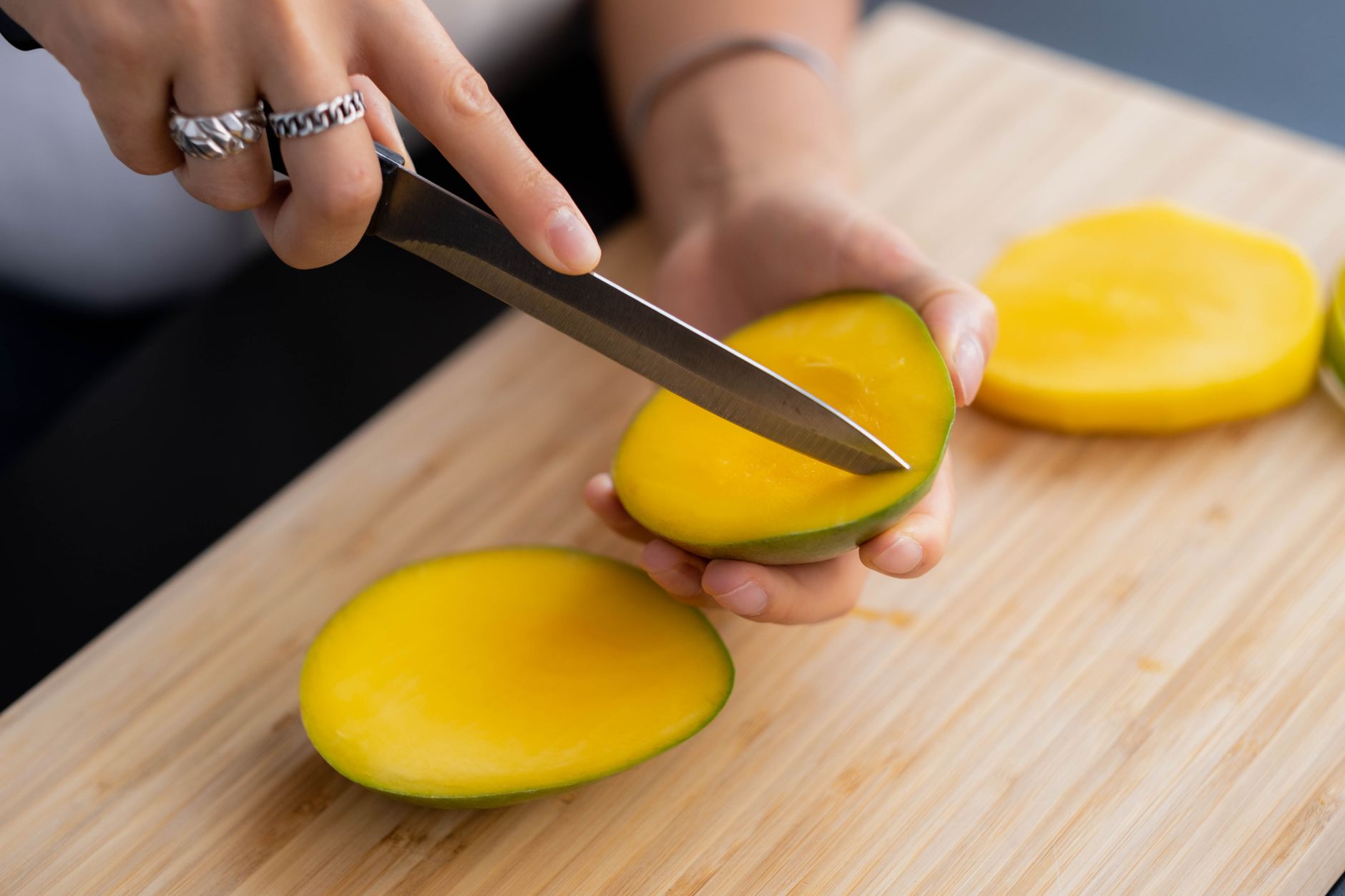
For healthy adult dogs whose vets have approved occasional fruit treats, mango can be incorporated as a rare reward rather than a regular snack. Many owners find it helpful to link higher‑value treats to specific situations, such as grooming sessions, training milestones or vet visits, rather than offering them simply because the dog asks. If mango is used this way, total treat calories should still be considered, and other biscuits or jerky pieces may need to be reduced on days when fruit is included. Preparing the mango carefully is essential: it should be fully peeled, pitted and trimmed of any firm fibers before being diced into very small pieces. Households with children can establish rules about keeping pits and peel off the floor and away from curious pets, since accidental access is a common pathway to ingestion. At the heart of all these decisions is the owner’s responsibility to think ahead about potential risks and to prioritize the dog’s health over momentary convenience. Checking in with a veterinarian when in doubt, and viewing online articles as starting points rather than final answers, helps keep that responsibility grounded in professional guidance.
By understanding how mango affects different dogs and where the main risks lie, owners can make more informed choices about sharing this fruit. The goal is not to declare mango universally good or bad, but to weigh age, health status and lifestyle before deciding whether a puppy should try it and under what conditions. Whenever concerns remain about individual health, past reactions to food or current medications, speaking directly with a veterinary team is strongly recommended. All information presented here is for general education and reference only, and should not be used as a substitute for diagnosis, treatment or personalized dietary planning provided by qualified professionals.