Start with the basic rule: human food is not automatically pet food
Many pet owners like to share a bite of fruit or a piece of vegetable while prepping meals, but dogs and cats process foods differently from people. What looks like a harmless snack can be a poor choice, or even a risky one, once it reaches a pet’s bowl. Fruits and vegetables are not forbidden across the board; they just need to be treated as occasional extras, not daily staples. The safest approach is to keep portions small, use simple preparation, and watch how each animal responds.
Fruits that are usually okay in small amounts
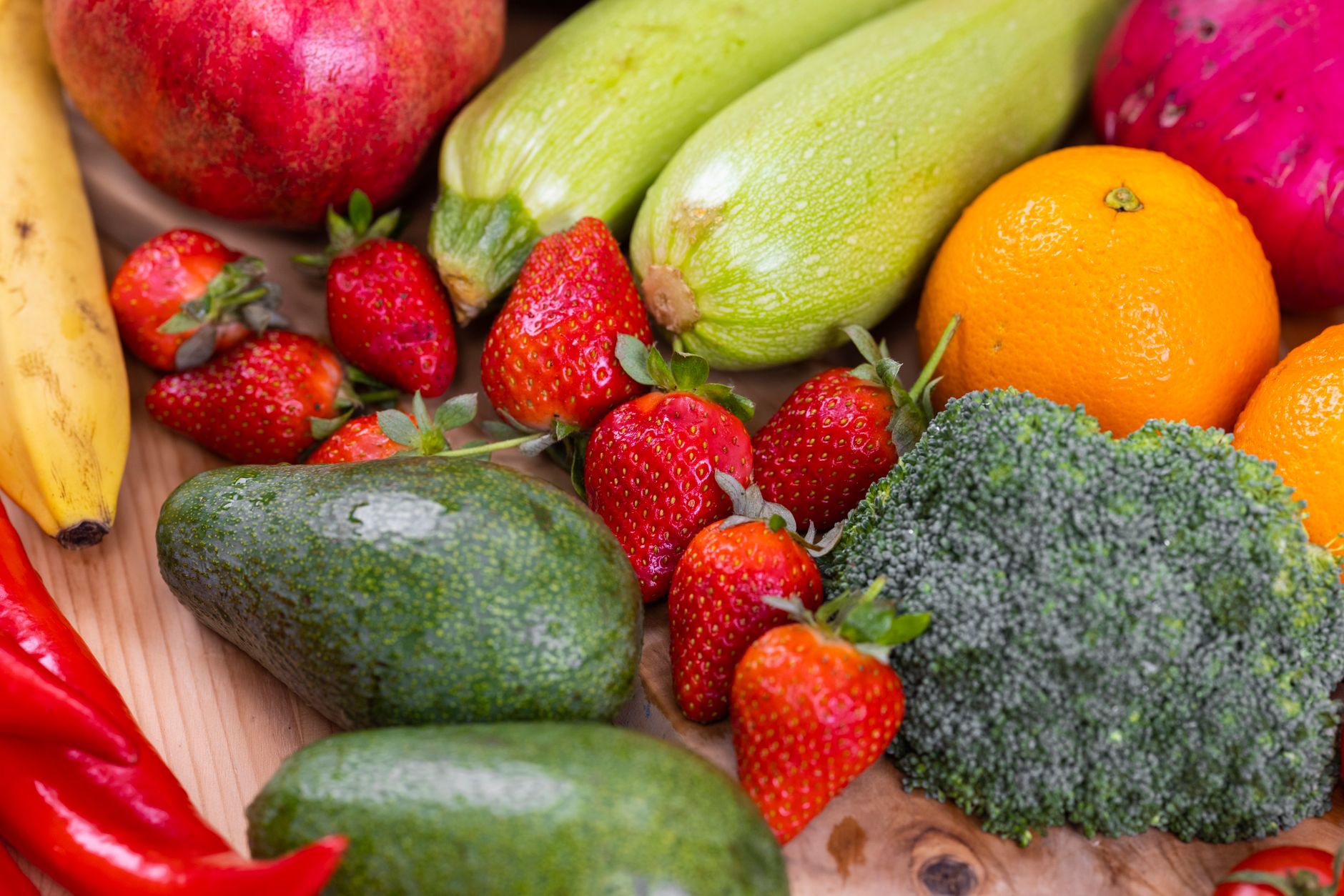
For many healthy adult dogs and cats, small pieces of apple, banana, blueberry, papaya, or melon can be a simpler snack choice than processed treats. The key is not to focus on how “healthy” the fruit sounds, but on trimming it into tiny pieces and removing seeds, pits, and tough skins. Apple cores, cherry pits, and avocado pits are common examples of parts that should never be offered casually. If a pet has never tried a fruit before, start with a tiny bite rather than a whole serving, so any reaction is easier to notice.
Vegetables that can work as simple, plain snacks
On the vegetable side, pumpkin, carrot, broccoli, sweet potato, and green beans are often used in homemade pet meals or snack toppers. They are best served plain, cooked, and cut into manageable pieces, because that is usually easier to chew and digest than raw chunks. The problem is often not the vegetable itself, but the seasonings that come with it: oil, salt, soy sauce, butter, onion, and garlic can all turn a simple side dish into something less suitable for pets. Cats generally need less plant-based food than dogs, so vegetables should stay limited and optional.
Foods that should stay off the menu
Some ingredients look ordinary in a kitchen but belong on a strict avoid list for pets. Grapes and raisins are widely treated as unsafe, even in small amounts. Onion, garlic, leek, and scallion are also common problem foods, and cooking them does not make them pet-friendly. Avocado, macadamia nuts, uncooked mushrooms, pits, and large seeds are also frequent accidental exposures. If your home keeps fruit bowls or salad containers within reach, it is worth checking whether your pet can access them during meal prep or snacking time.
Portion size and timing matter as much as the food itself
Fruit and vegetables are best used as occasional rewards, not as a major part of the daily diet. It is easy to overdo them when a pet enjoys the taste, but extra snacks can crowd out the nutrition that should come from a complete main meal. This matters even more for pets with sensitive stomachs, weight concerns, or special dietary needs. A small daytime trial is often the easiest way to test a new food, because it gives owners time to notice loose stool, vomiting, itching, or a change in appetite.
The easiest home setup is a single-ingredient approach
Mixed fruit salads, seasoned vegetable dishes, and leftover stir-fries create the most confusion because several ingredients are involved at once. A cleaner approach is to reserve a small portion before seasoning, then cut it into pet-sized pieces and offer only one new ingredient at a time. That makes it much easier to identify the cause if the pet does not tolerate something well. When a household has both dogs and cats, it is especially important not to use the same feeding rule for both, since cats are more strictly meat-oriented.
If a pet eats the wrong food, track the details first
If a dog or cat gets into a questionable fruit or vegetable, the first step is to note what was eaten, how much, and when it happened. It also helps to watch for vomiting, drooling, diarrhea, low energy, or any change in behavior. High-risk foods such as onion, garlic, grapes, raisins, or pits deserve faster attention than ordinary snacks. Keeping the package or a photo of the ingredient can make it easier to explain the situation to a vet, especially if several foods were involved. Being clear about safe and unsafe foods ahead of time usually makes daily feeding much less stressful.