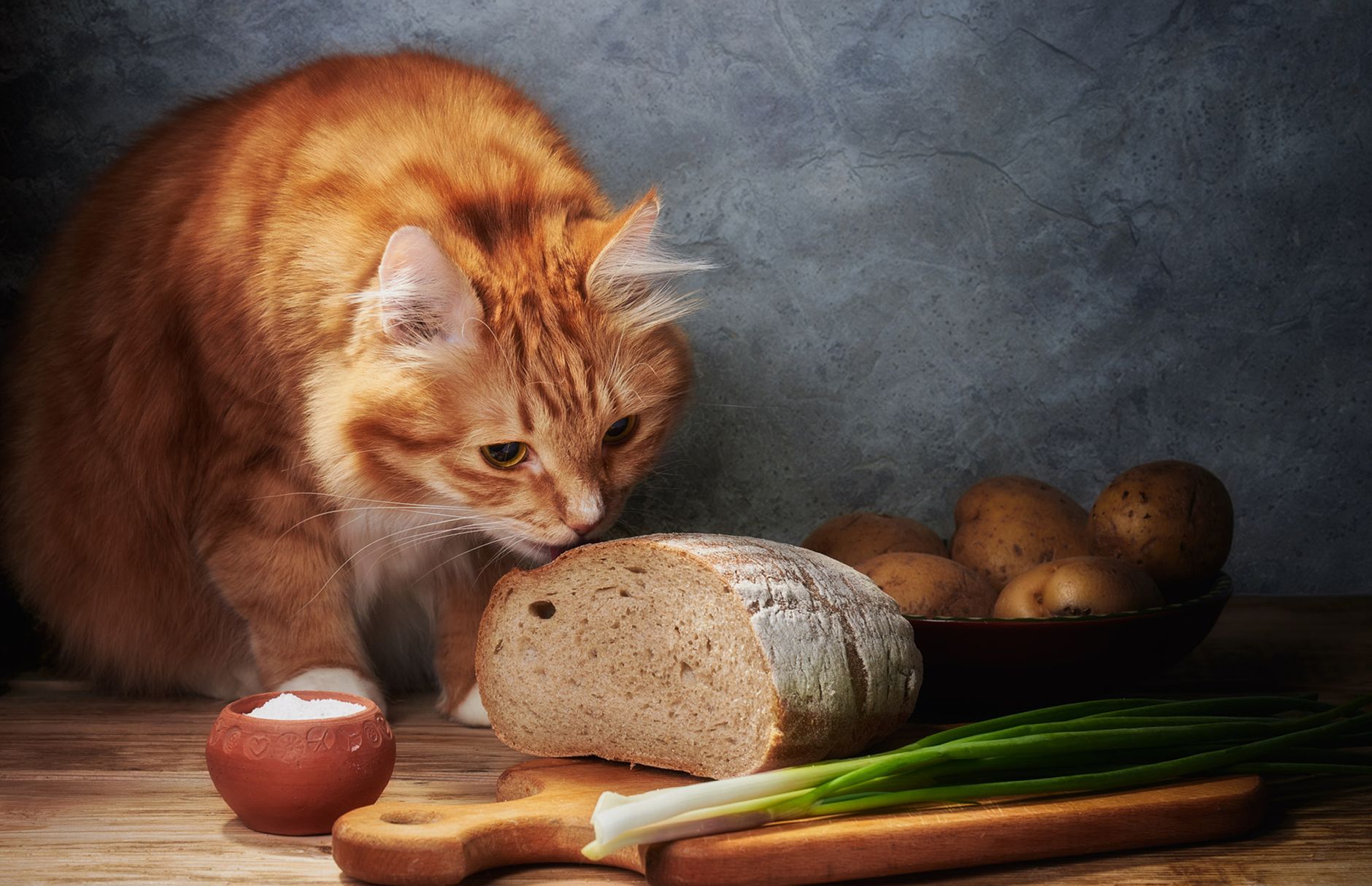
Sharing food from the dinner table can feel harmless, but some human foods are dangerous for cats and dogs rather than merely unhealthy. Chocolate, caffeine, alcohol, grapes and raisins, onions and garlic, and products containing xylitol should be kept away from pets. Fatty foods, yeast dough, heavily salted snacks, and seasoned leftovers can also create health risks or digestive problems. The level of danger depends on the animal, body weight, product concentration, amount eaten, and time since ingestion, so a pet that looks normal may still need professional advice. Veterinary and animal poison-control guidance consistently identifies chocolate, xylitol, allium vegetables, grapes, and raisins among important food-related hazards. This guide explains where these ingredients appear, why common kitchen habits can be risky, and what owners should do after accidental ingestion. It is general safety information, not a substitute for a veterinarian’s assessment of an individual pet.
Chocolate, Caffeine, and Alcohol Are Common Household Hazards
Chocolate and cocoa contain theobromine, while coffee, tea, energy drinks, and some supplements contain caffeine. Pets may develop vomiting, diarrhea, restlessness, abnormal heart rhythms, tremors, seizures, or other serious signs after exposure. Dark chocolate, baking chocolate, and cocoa powder generally contain more methylxanthines than milk chocolate, but no chocolate should be offered as a treat. Alcohol can cause poor coordination, vomiting, breathing or consciousness changes, and severe illness; risks also include desserts, sauces, and foods made with alcohol. Typical household incidents include a dog eating chocolate from a counter, a cat licking coffee residue, or a pet drinking from a party glass. Keep candy, coffee pods, tea bags, cocktails, and baking ingredients secured, especially during holidays and gatherings.
- Dark chocolate, baking chocolate, cocoa powder, and chocolate desserts
- Coffee, concentrated tea, energy drinks, and caffeine-containing supplements
- Beer, wine, spirits, and foods prepared with alcohol
Do not estimate safety by looking only at the amount or waiting for symptoms. Product type, concentration, body weight, and the timing of exposure all matter, so a veterinarian should guide the next step.
Grapes, Raisins, Onions, and Garlic Can Hide in Prepared Foods
Grapes and raisins may cause acute kidney injury in dogs, and veterinary sources advise treating any exposure as potentially serious rather than assuming a small amount is safe. Raisin bread, fruitcake, granola, trail mix, cookies, and fruit salads are easy to overlook. Information about cats is less complete, but grapes and raisins should not be intentionally fed to them either; contact a veterinarian if ingestion occurs. Onions, garlic, chives, leeks, and shallots belong to the allium family and can irritate the digestive tract and damage red blood cells. Cats are particularly sensitive, while dogs can also be affected depending on the amount and form consumed.
The hidden source is often not a raw onion or garlic clove but gravy, soup, curry, dumpling filling, baby food, meat seasoning, or powdered spice. Cooking does not make allium ingredients appropriate for pets, and dehydrated or powdered forms may be concentrated. When checking a label, look for onion, garlic, chives, leek, shallot, onion powder, and garlic powder. If an animal seems fine immediately after eating these foods, do not assume the risk has passed; some effects may be delayed and require veterinary monitoring.
Xylitol: Check the Label on Sugar-Free Products
Xylitol is a sweetener found in some sugar-free gum, mints, candy, baked goods, peanut butter, vitamins, cough syrups, mouthwash, and toothpaste. In dogs, it can cause a dangerous drop in blood sugar and may be associated with liver injury; cats appear to respond differently, but products containing xylitol should still be kept away from every pet. The problem is that owners often check only obvious sweets and overlook sugar-free spreads, supplements, or oral-care products. A label that says low sugar, sugar free, or natural does not establish that a product is pet-safe.
After possible xylitol ingestion, a dog may become weak, sleepy, uncoordinated, shaky, collapse, or have seizures, but waiting for signs can delay care. Keep the package and record the product name, estimated amount, time eaten, and the dog’s body weight. Contact a veterinarian or an animal poison-control service promptly. Do not give sugar water, milk, human medication, or induce vomiting unless a veterinary professional specifically instructs you to do so.
Other Foods Owners Often Miss
Macadamia nuts may cause weakness, tremors, abnormal walking, or increased body temperature in dogs. High-fat meat, fried foods, butter-heavy desserts, and rich leftovers can cause digestive upset and may contribute to pancreatic inflammation, so they should not become routine treats. Raw yeast dough can expand in the stomach and produce alcohol, creating risks beyond simple bloating. Salty snacks, processed meats, and strongly seasoned foods may also be inappropriate, especially when the ingredients are unknown.
Avocado is generally less toxic to cats and dogs than it is to some other species, but the pit can cause an obstruction and the rich flesh may be unsuitable for some pets. Human medication should be treated as a separate high-risk category: pain relievers, cold medicine, supplements, and medication intended for another animal should never be shared unless directed by a veterinarian. Before offering any table food, ask whether it contains chocolate, caffeine, alcohol, onion, garlic, xylitol, excess fat, salt, bones, or ingredients that could cause choking. If the recipe is unclear, do not feed it.
What to Do After Accidental Ingestion
First remove the remaining food and check the pet’s breathing, alertness, and ability to move normally. Save the package, ingredient list, photos, or leftovers, and write down the pet’s species, body weight, food eaten, estimated quantity, and time of ingestion. Then contact a veterinary clinic for individualized guidance. Difficulty breathing, seizures, collapse, repeated vomiting, severe weakness, or altered consciousness warrant immediate travel to an emergency veterinary hospital.
Do not induce vomiting, give salt water, oil, milk, sugar, or human medication without professional instruction. The safest response depends on the substance, dose, timing, and the pet’s medical condition, and an incorrect home remedy may cause additional harm. Prevention starts with closed cabinets, secured trash, and clear rules for visitors. Keep chocolate and sugar-free products out of reach, do not leave grapes or raisins on counters, and prepare pet portions separately without onion, garlic, salt, or sauces. This information is for general reference only; suspected poisoning should be discussed with a veterinarian as soon as possible.