A pet-friendly home is not just about cute accessories or a stylish corner for photos. The real goal is to create a space where pets can move safely, rest comfortably, and live with fewer daily hazards, while making routine care easier for the household. That matters even more in homes with multiple pets, senior animals, or energetic puppies and kittens. Many veterinarians advise owners to think of the home as part of pet care, because the layout can either reduce stress and accidents or make them more likely.
Start with the paths pets actually use
People often design around human habits, but pets follow different routes. A cat may jump from sofa to shelf, while a dog may cut across the room to reach water, toys, or the door. Before buying furniture, it helps to watch where pets walk, pause, turn, and rest, then keep those routes clear of clutter and sharp corners. If a home is small, even a few changes such as moving a side table, widening a passage, or lowering a barrier can make daily movement much easier.
- Keep main walkways open
- Separate feeding, sleeping, and toileting areas
- Avoid tight gaps between large furniture pieces
- Minimize steps and slippery transitions
Choose materials that fit real life
A beautiful home can become frustrating if it is hard to clean after shedding, muddy paws, or the occasional accident. Floors that are too slick can make running risky, while fabric that cannot be washed easily becomes a problem fast. Practical choices often include easy-wipe surfaces, removable covers, durable flooring, and mats that stay in place. The best material is not simply the one that looks premium; it is the one that still works after repeated everyday use.
Give pets a calm resting zone
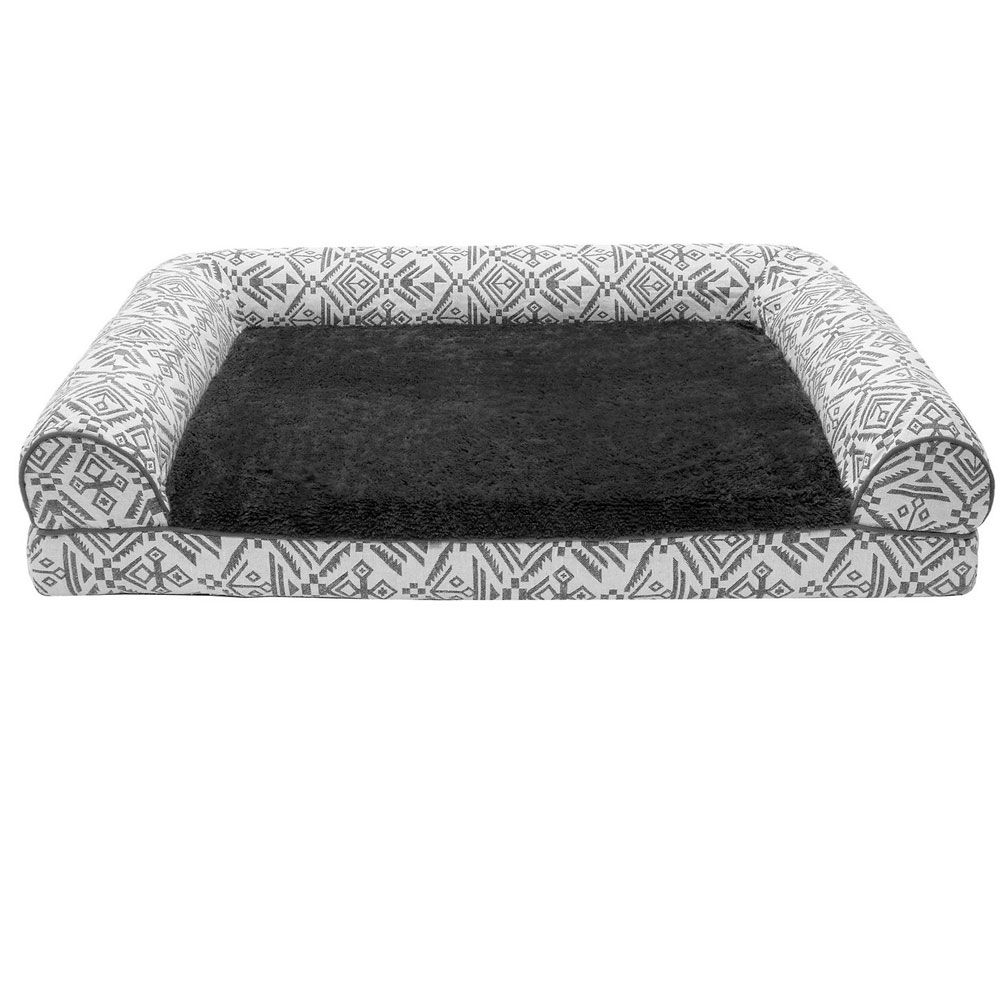
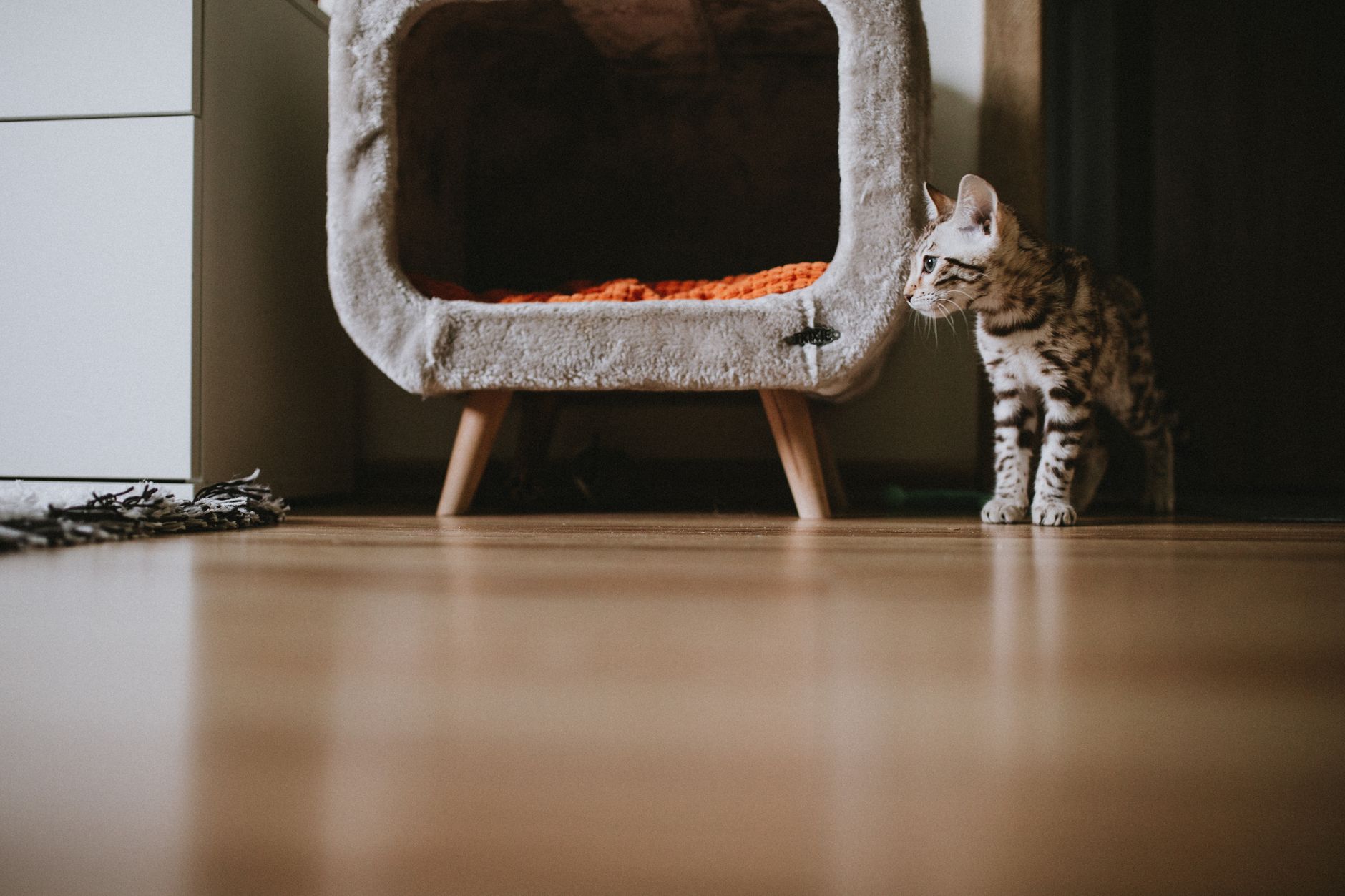
Pets also need a fixed place to step away from activity. A resting zone should feel predictable, quiet, and easy to access, not placed in the middle of foot traffic or directly under strong air conditioning. Cats often prefer height, partial cover, and a spot where they can observe the room, which is why window perches or cat trees work well in many homes. Dogs usually do better with a stable bed or mat near family activity, but not in a walkway where they can be bumped or stepped on.
Make storage part of the routine
Pet supplies tend to spread quickly across the house: food, treats, brushes, poop bags, litter tools, and travel items all compete for space. A simple system works better than a perfect one. Many households do well by grouping items into feeding, cleaning, and outing zones, then using closed containers or drawers to keep them tidy and out of reach. That reduces clutter, lowers the chance of pets getting into something unsafe, and makes daily care less stressful.
Safety details matter more than decor
A home can look polished and still contain hidden risks. Loose cables, unstable shelves, low windows, open trash bins, and cleaning products stored near the floor are common trouble spots. Curious cats may jump toward open ledges, while puppies may chew cords or knock things over during play. Good pet-friendly design treats safety as part of the layout, not as an afterthought once the room is already furnished.
Adjust the layout to the pet, not the trend
Not every pet needs the same setup. Shy animals may want a quiet corner with some cover, while active pets need open areas for movement and play. In homes with both cats and dogs, it helps to reduce friction by separating food, litter, and rest areas as much as possible. The most effective setup is usually the one that changes over time, based on how the household actually lives, rather than one fixed design copied from a magazine.
A truly pet-friendly home balances comfort, safety, and convenience. Start with movement, then check materials and storage, and only then think about decoration and style. For pets with medical conditions, mobility limits, or recovery needs, it is reasonable to ask a veterinarian for layout suggestions that match the pet’s daily routine and physical abilities.