Once a dog or cat moves in, hallways, stairs and doorways turn into shared spaces, and safety gates quickly become part of many households. Owners often want to define a “safe zone” and “hazard zone” at home, such as the kitchen, staircase landing or balcony door, but feel unsure where to start when choosing a gate. The decision is not only about how a product looks, but also about traffic flow, the animal’s temperament and the owner’s daily routine. A gate bought without planning can end up as a decorative object that pets learn to push, climb or squeeze through, leaving safety concerns unresolved. This article looks at pet safety gates from the angles of home safety, behavior and layout, offering practical points to consider before buying.
Clarify the purpose: what problem is this gate meant to solve?
Before comparing brands or styles, the key question is what problem the gate should address. Some owners want to limit a puppy’s roaming so it does not wander into the kitchen or race up and down the stairs. Others hope to create a buffer between pets and young children so neither feels cornered or startled. Each purpose affects height, bar spacing and latch design. A simple doorway gate can be enough to keep most dogs out of the kitchen, while athletic cats may require extra height or a different barrier altogether. It helps to list typical weekly scenarios at home, including cooking time, visitors, cleaning, and periods when pets stay alone, then mark areas where access needs to be controlled or redirected. This overview becomes a roadmap for deciding which type of gate and how many units are truly necessary.
Material and stability: safety first, aesthetics second
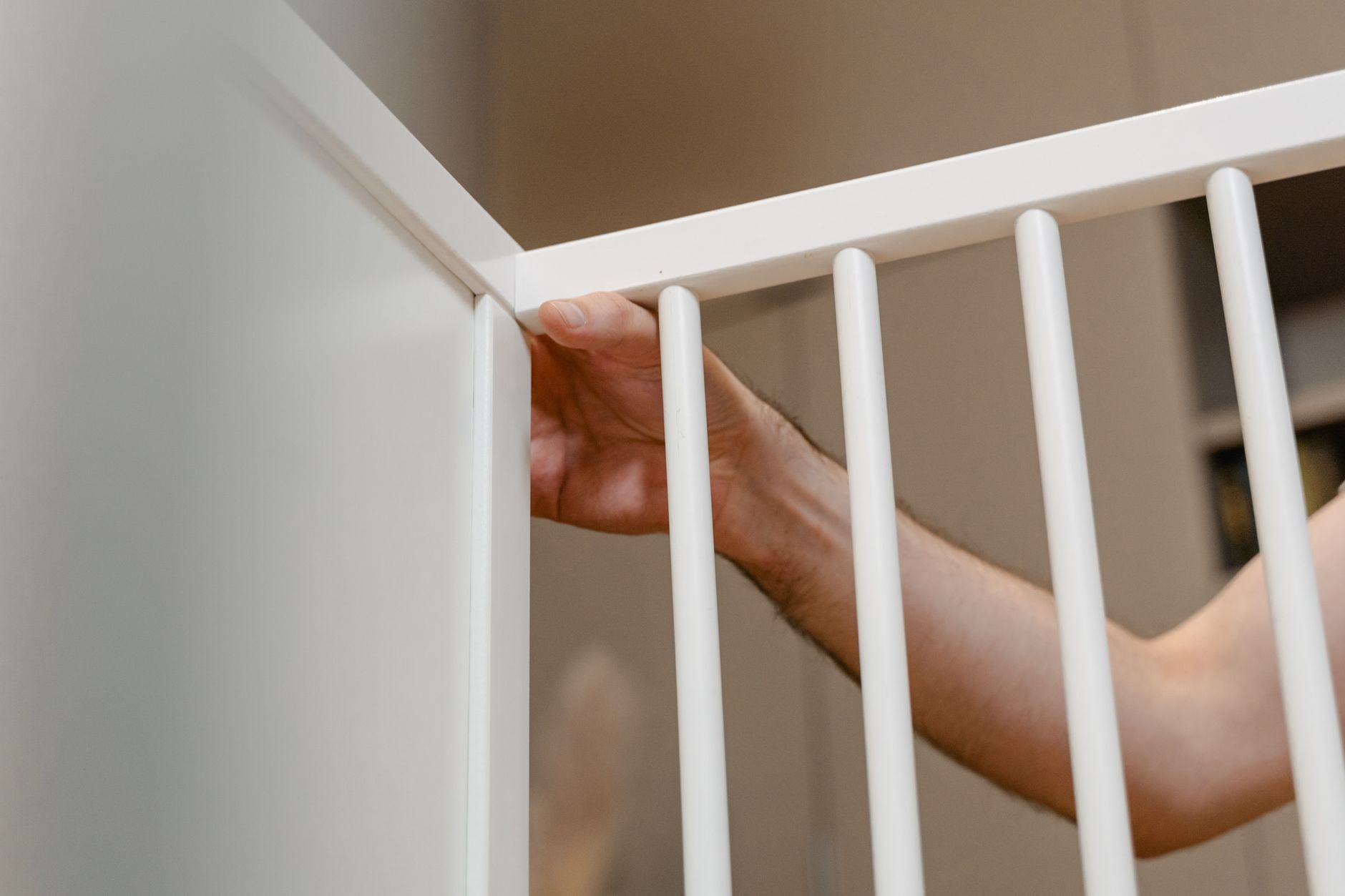
Pet gates come in metal, wood, plastic and hybrid constructions, each with its own trade‑offs. Metal gates usually offer stronger structure and are well suited to medium and large dogs, but corners should be smooth and the gap between bars small enough to avoid paws or heads getting stuck. Wooden designs blend nicely with many living rooms and hardwood floors, giving a warmer look, yet they require attention to moisture, chewing marks and loose joints over time. Plastic options tend to be lighter and more portable, making them popular with renters or families that rearrange rooms frequently, though stability must be checked carefully. Regardless of material, the crucial question is how the gate is fixed in place: tension mounts, wall cups, floor plates or side panels all influence whether it can withstand pushing or leaning. Owners may also need anti‑slip pads under freestanding panels to reduce shifting on smooth tiles or laminate floors.
Height, spacing and latch design: match the animal’s size and habits
There is no single “correct” gate height, because it depends on species, body size and agility. For many adult dogs, a gate that reaches above shoulder level is harder to step over; however, larger or athletic breeds may still test jumping if highly motivated. Bar spacing is directly tied to safety and comfort. Wide gaps can allow puppies or small dogs to squeeze through or get stuck, while extremely narrow gaps may limit visibility and increase frustration. Latch design often gets overlooked, yet it strongly affects both safety and daily convenience. Swing‑open, lift‑to‑release and sliding mechanisms all exist, some with one‑way and others with two‑way opening. Owners should consider whether they frequently carry items, whether anyone in the home has limited hand strength or mobility, and whether clever pets might learn to nudge a simple latch. If a gate is difficult to open, people may stop using it consistently, which weakens the whole safety plan.
Placement and indoor traffic flow: guiding movement, not locking pets away
Thoughtful gate placement is less about “locking animals up” and more about creating predictable, safer movement patterns. In homes with stairs, landings and staircase entrances are critical points where falls or collisions can occur, especially when pets rush to greet people. A well‑positioned gate can define a clear boundary for going upstairs or downstairs and reduce unsupervised access. Kitchens are another high‑risk area, with hot pans, slippery floors and cleaning products within reach; a gate at the kitchen entrance can allow humans to step in freely while preventing pets from weaving underfoot. Balcony doors, patios and front entrances may also benefit from gates or panels that mark the transition from indoor to outdoor, combined with screens or rail safeguards to reduce the chance of sudden dashes outside. When planning traffic flow, owners can sketch how humans move through the home versus where pets tend to rest, play or patrol, then place gates so narrow corners do not become bottlenecks or surprise encounter spots.
Age, health and special situations: puppies, seniors and recovery periods
Pets at different life stages interact with gates in different ways. Puppies and kittens often see every corner as a new playground, so a gate can help define a supervised play area where they have safe toys, bedding and water while the owner is occupied. Adult dogs and cats with established routines may only need gates for specific circumstances, such as when guests visit, home renovation work takes place or cleaning chemicals are used. Senior pets or those with joint, vision or neurological issues call for more careful layout planning. For them, gates can work together with non‑slip mats and ramps to gently steer movement away from steep stairs, cluttered corridors or slick surfaces. In medical or behavioral cases, such as post‑surgery recovery or high reactivity, gate placement should ideally be discussed with a veterinarian or qualified behavior consultant. Any suggestions related to health and safety in general articles are for reference only, and owners are encouraged to seek professional assessment for their individual situation.
Training and routines: gates as tools within a broader management plan
Even the most thoughtfully chosen gate is only one element of home management. Without training and routine adjustments, pets may still find ways to test limits. Initial reactions to a new barrier can include curiosity, frustration or attempts to chew and climb; punishment in those moments often causes the gate to be associated with stress. A more constructive approach is to introduce the gate gradually, pairing the safe zone with comfort such as a favorite bed, chew toys and calm interaction, so pets learn that staying behind the barrier can be rewarding. At the same time, owners can refine storage habits, keeping trash cans, electrical cords and hazardous items in areas that are both out of reach and behind gates when feasible. When questions involve health or complex behavior, information in articles should be seen as general guidance rather than tailored advice. Decisions about long‑term layout and safety measures are best made in conversation with veterinarians or behavior professionals who understand the specific household.
Thinking through pet gates and home layout puts owners in the position of overall safety planners rather than just shoppers. Instead of searching for a single “perfect” product, it is more practical to start from who lives in the home, how rooms connect and how each animal moves through the space. When gates feel like a natural part of daily rhythm rather than harsh barriers, dogs and cats are more likely to adapt, and both people and animals can share rooms with fewer accidents and clearer boundaries. As family composition or home structure changes over time, owners can revisit gate placement, and when in doubt, treat online guides as a starting point for discussion with professionals rather than a final prescription.