For many pet parents, the real stress of buying a nice sofa is not the price but watching it slowly turn into a giant scratching post or chew toy. Claw marks on the armrest and shredded fabric at the corners are more than cosmetic damage; they reflect unmet needs, excess energy or tension in a cat or dog’s daily life. Instead of relying only on scolding or thick covers, it is more effective to ask why a pet chooses the sofa and table legs in the first place. Once the reasons are clearer, owners can adjust the environment, daily routine and training approach so that the living room becomes a shared space where both humans and animals feel comfortable. When behaviour worsens suddenly or is paired with signs of pain or illness, involving a veterinarian early on is important for safety.
Why do cats scratch sofas and dogs chew furniture?
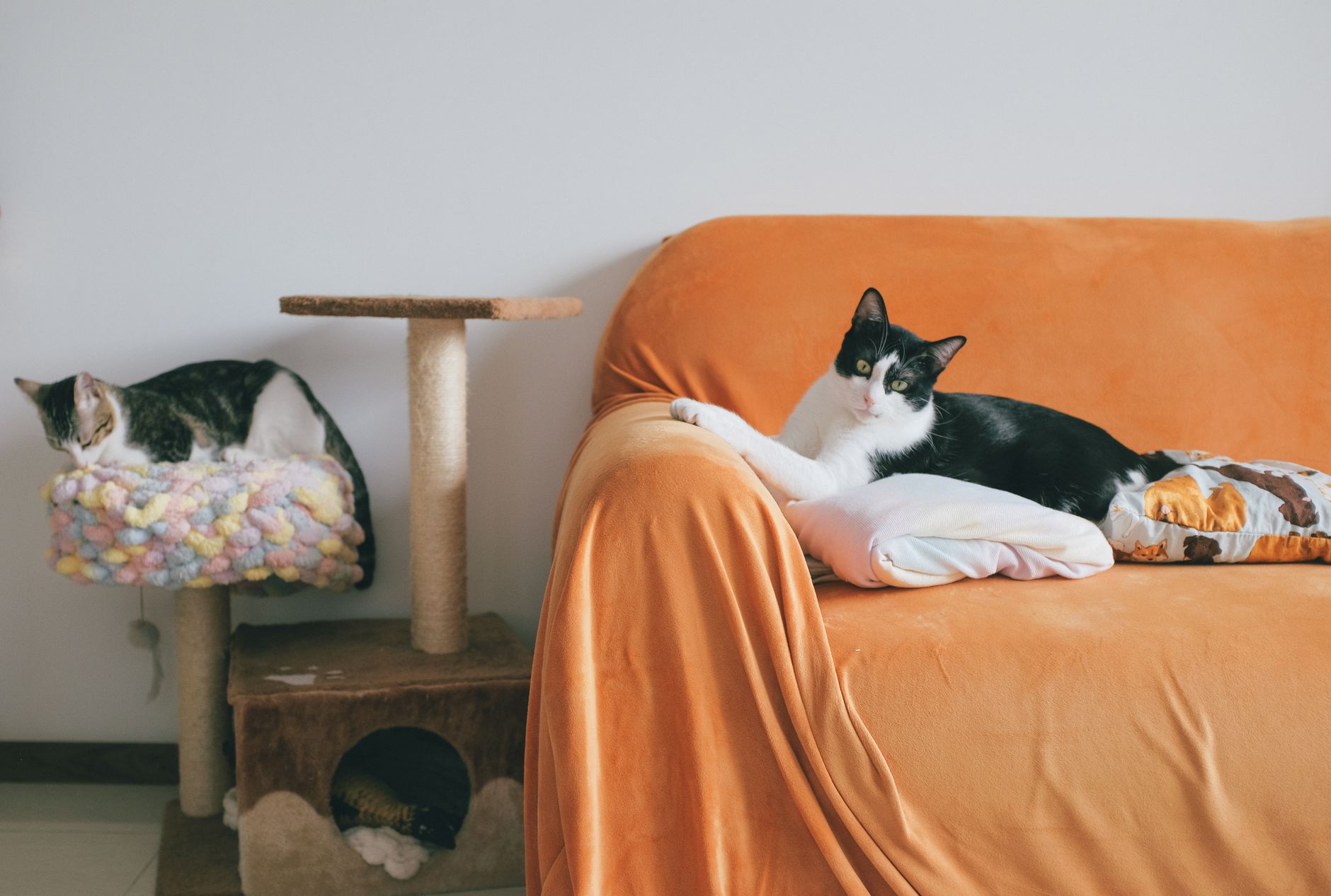
Cats naturally scratch to shed old claw layers, stretch muscles and mark territory with scent and visual traces, and sofa fabric often matches their preferred height and texture. Dogs tend to chew furniture for different reasons, such as teething in puppyhood, boredom during long periods alone, mild separation-related stress or lack of suitable chew toys. If scratching or chewing suddenly becomes more intense, especially together with changes in appetite, sleep or hiding behaviour, it can signal discomfort or emotional strain rather than simple mischief. In such cases, keeping notes on when and where the behaviour occurs and sharing them with a veterinarian or behaviour professional can be helpful. Understanding the individual pet’s lifestyle, household dynamics and recent changes is a key step before any practical solution is planned.
Make the home less tempting: simple sofa and furniture protection
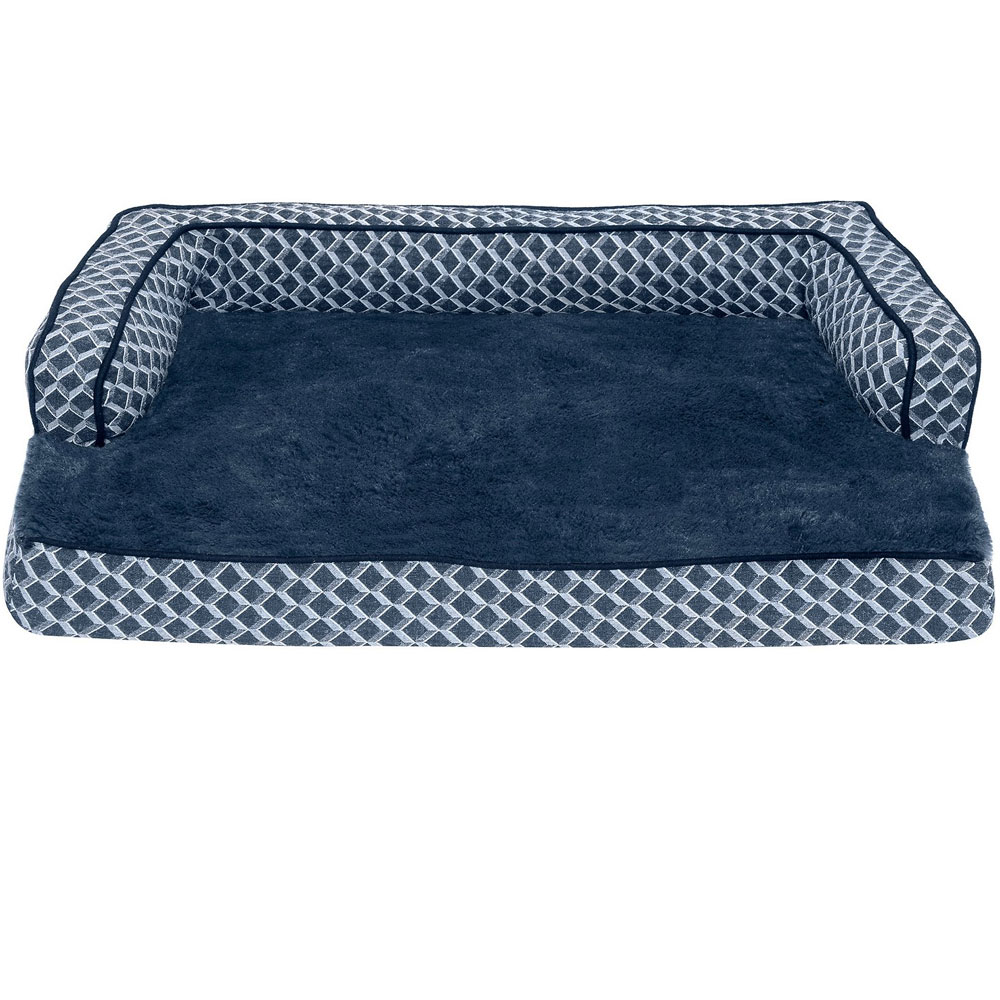
Before diving into training, small changes to the environment can immediately reduce opportunities for damage. For cats, covers made from tougher materials, removable sofa protectors and scratch-resistant side panels can make the fabric less appealing, while placing sturdy scratching posts right next to the sofa gives them a clear alternative. For dogs, adding corner guards to frequently chewed areas and keeping loose items like shoes or remote controls off the floor can prevent the habit from expanding to more objects. Furniture placement also matters; a sofa positioned along the main traffic route in the apartment invites a quick scratch or nibble every time the pet walks past. By adjusting pathways, claiming a window seat or corner for pet beds and adding vertical spaces or hideouts, attention can shift from the sofa to more suitable spots for exploration and rest.
Offer better options: scratching posts and chew toys that pets want to use
Most cats and dogs do not instinctively understand that sofas are “wrong” and scratching posts or chew toys are “right”; they simply choose whatever feels good and is available. For cats, offering several types of scratching surfaces, such as sisal posts, cardboard pads and fabric ramps, and experimenting with vertical versus horizontal designs helps reveal their preferences. The chosen post should then be placed near the current scratching spot, such as beside the sofa edge. For dogs, a mix of chew toys is useful, including durable rubber bones, food-stuffable puzzle toys and tugging ropes chosen to match age and jaw strength. The crucial detail is that these alternatives must be more satisfying than the sofa, which often requires owner involvement at the beginning. Short, fun play sessions and calm praise when pets use the “legal” options send a clear message. Simply buying toys and leaving them on the floor rarely changes habits on its own.
Training strategy: reward desired behaviour, avoid angry reactions
If an owner’s main response to scratching or chewing is yelling, many pets only learn that “humans come and shout sometimes” without understanding which actions are expected. A more constructive approach is to interrupt early, before a cat or dog fully settles into scratching or chewing, using a calm voice and gentle redirection. Once the pet starts interacting with a scratching post or chew toy, immediate verbal praise or brief physical affection can reinforce that choice. Dogs often respond well to simple cues such as “leave it”, “scratch here” or “chew this”, followed by small treats when they comply. Cats usually benefit more from environmental guidance than complicated verbal commands. Veterinarians and behaviourists frequently point out that harsh punishment can increase anxiety and, in some cases, make a problem worse. When behaviour is linked to fear or tension, focusing on safety, predictable routines and positive training tends to produce more stable results over time.
Reduce boredom and stress: daily routine and interaction matter
A sofa-chewing or furniture-scratching problem is often a sign that a pet’s physical and mental energy is not channelled in a satisfying way. Long hours alone, inconsistent schedules, lack of outdoor walks for dogs or limited climbing and play opportunities for indoor cats all contribute to tension. Owners can help by planning regular activity windows, such as morning and evening walks for dogs that include opportunities to sniff and explore different routes, and interactive play sessions for cats using wand toys or food puzzles. Enrichment in the home, like cardboard boxes, shelves or cat trees near windows, gives animals more variety in their day. When pets have a balanced mix of movement, rest and social contact, they are generally less focused on sofas and table legs. If owners notice that furniture damage escalates around major life events such as moving house, new roommates or a baby joining the family, flagging those timelines to a veterinarian or behaviour specialist can guide more precise support.
When safety is a concern, involve professionals early
Furniture damage can become a health issue when pets cut their gums on hard edges, break claws on rough surfaces or swallow pieces of foam, fabric or wood. In these situations, the priority is to assess potential injury or foreign body ingestion and contact a veterinarian for guidance, which may include physical exams or imaging depending on the case. For long-standing, recurring scratching or chewing that disrupts family life or seems linked to anxiety, professionals trained in animal behaviour can review household routines, space layout and interaction patterns and suggest tailored adjustments. The ideas in this article are intended as general knowledge and cannot replace individual diagnosis or therapy; whenever an owner feels unsure or worried, seeking expert advice provides a safer path. By combining responsible ownership, thoughtful home design and professional input when needed, it is possible to protect furniture while respecting the emotional and physical needs of the animals who share the space.
Final thoughts: responsible pet care and a shared living room
Stopping cats and dogs from damaging sofas and furniture is not just about preserving interior design; it is part of building a respectful, stable relationship with animals at home. Recognising that scratching and chewing often reflect normal instincts or unmet needs helps owners move away from simple blame and toward constructive solutions. Thoughtful use of scratching posts, chew toys, enrichment activities and clear, reward-based training gives pets safe outlets for their energy and curiosity. Whenever health or behaviour questions arise, consulting a veterinarian or qualified behaviour expert is strongly recommended, and all suggestions in this article should be treated as general reference rather than personalised medical advice. With patience and consistent care, many households find that both their pets and their sofas can coexist more peacefully in the same living room.