In many modern cities, dogs and cats spend most weekdays alone while their owners commute and work long hours. This has become a common lifestyle, but it also raises questions about safety, stress and boredom for pets at home. Instead of only filling the food bowl and rushing out the door, owners can think of the day as a structured routine for their animals: morning interaction, a safe environment, self-directed activities, appropriate tech tools, and calm reconnection after work. This article focuses on owner responsibility and practical planning. All information is general guidance; whenever health or serious behaviour issues are suspected, decisions should be based on advice from veterinarians or qualified behaviour professionals.
Know your pet’s personality and tolerance for being alone
Planning a day that is not boring starts with understanding how each animal copes with solitude. Some dogs are very people-oriented and show distress as soon as the door closes, pacing, whining or scratching at the entrance. Others, especially many cats, appear more independent but may still feel stress if the environment is noisy or unpredictable. Owners can run short trials by leaving for five to ten minutes and later reviewing camera footage or house conditions to see whether there was rest, exploration or intense pacing and vocalising. If a pet shows extreme agitation, self-injury, destructive chewing or sudden changes in eating and toileting, these signs suggest more than simple boredom. In such cases, structured behaviour plans and medical checks should be discussed with veterinary teams, and article tips are only supplementary.
Morning interaction and routine before leaving for work
The way a weekday morning is organised often sets the tone for the pet’s entire day. Many office workers squeeze only a few minutes for their animals, yet a short, predictable ritual can make a real difference. A calm walk, brief play session or brushing routine helps the dog or cat release energy and understand that the day is beginning. Meal timing and portion size should follow veterinary nutrition guidance rather than the idea of making the pet “full enough to sleep all day”. Overly large, rushed meals may be uncomfortable, while long fasting periods are not ideal either. For some dogs and cats, owners can prepare small amounts of dry food or treats inside puzzle feeders, so the first part of the alone time is spent sniffing, searching and gently working for food instead of immediately noticing that the house is empty.
Designing safe spaces and cosy rest areas at home
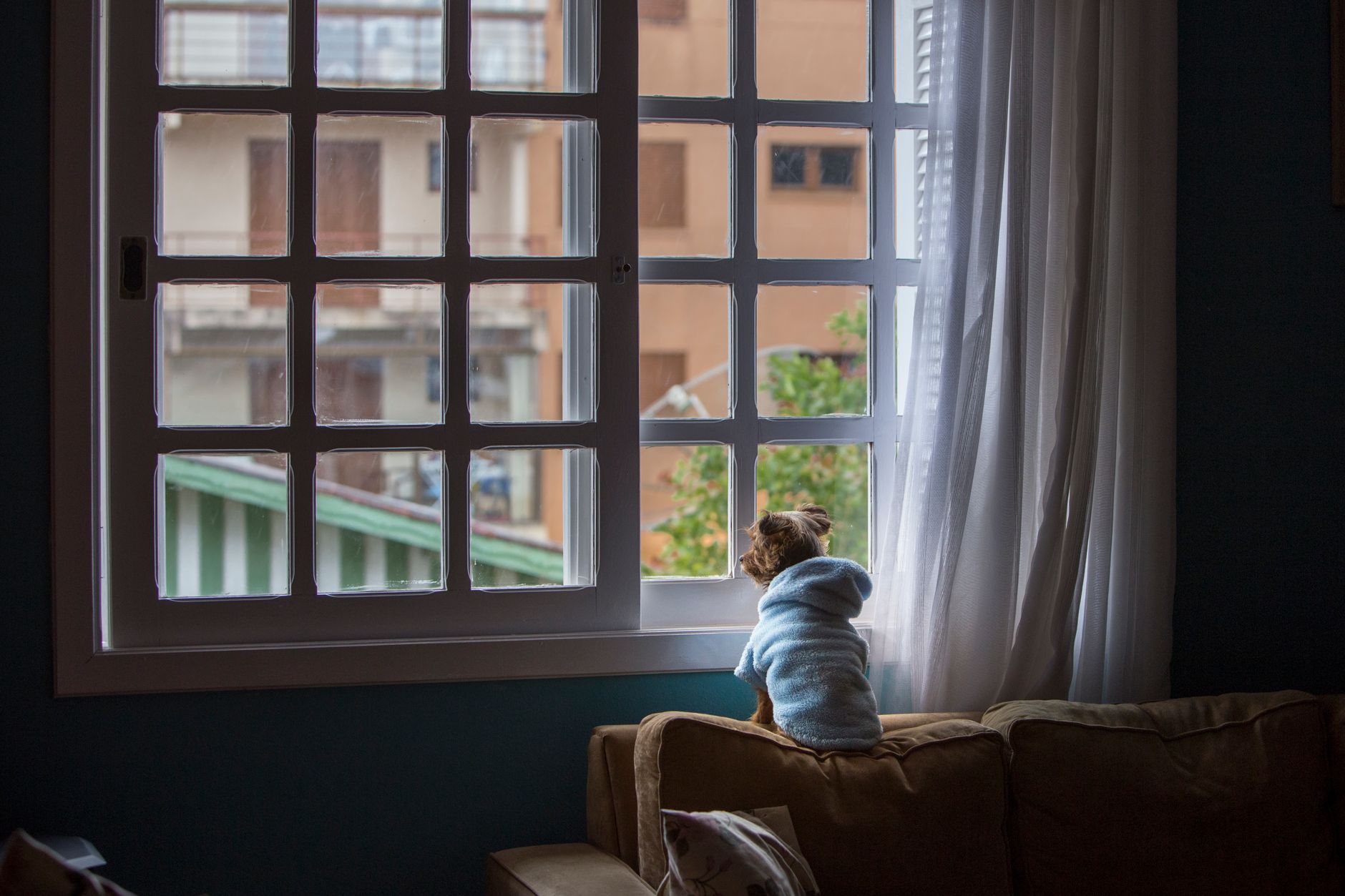
A stable alone-time routine is only possible when the living space is safe and reasonably quiet. In apartments and houses, windows, balconies, cords and small objects all need to be checked before leaving. Many owners choose one or two main areas, such as the living room and hallway, instead of allowing free access to every room, to reduce the chance of falls, chewing hazards or accidental getting stuck. Within that zone, dogs benefit from robust beds or mats in locations where they can both rest and watch doorways, which often feels reassuring. Cats typically appreciate vertical choices like cat trees and window perches, allowing them to move between hiding, observing and napping spots. Cleaning supplies, plastic bags and fragile items should be stored away, because bored animals may explore or mouth unfamiliar objects when nobody is supervising.
Toys, puzzles and simple “missions” to fill the day
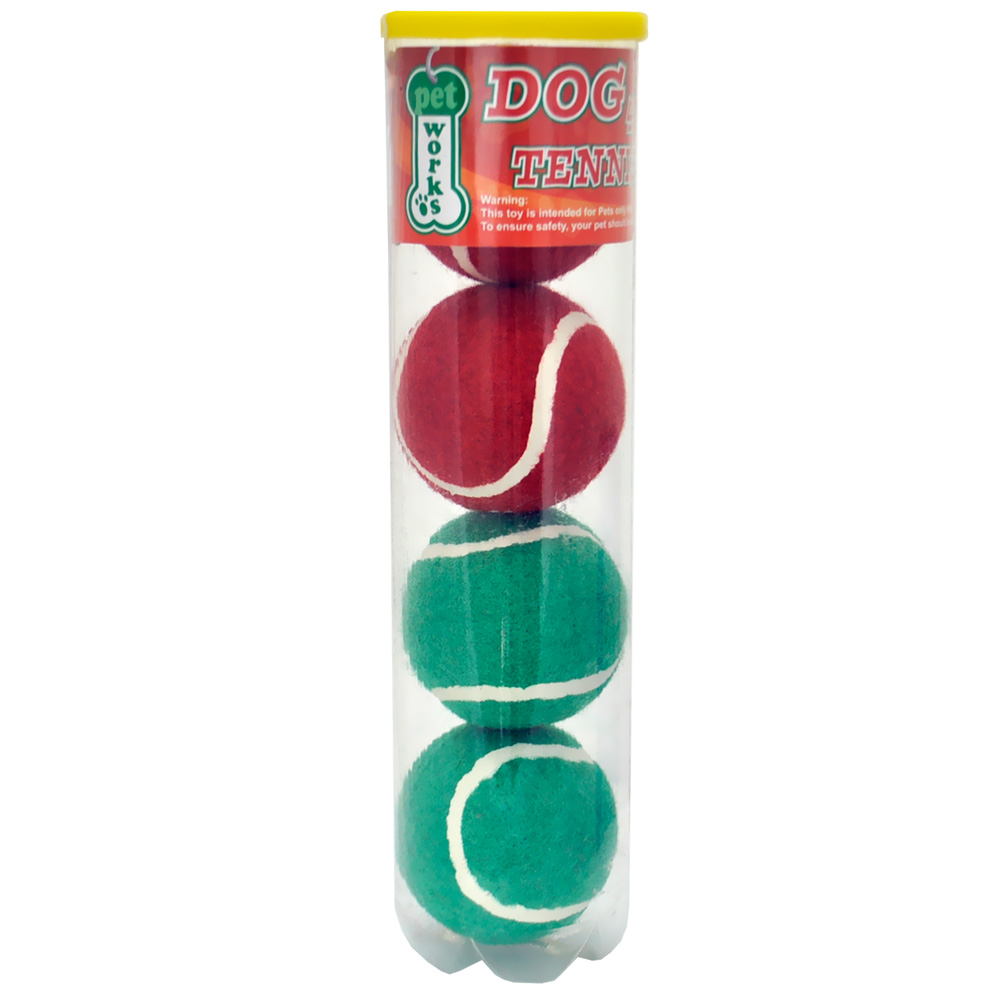
Leaving every toy on the floor is rarely enough to keep a pet mentally engaged over many hours. Most animals lose interest in unchanging objects, so rotation and variety are more effective. Owners can plan different types of activities across the week: on one day, food-stuffable chew toys; on another, rolling treat balls or cardboard box mazes. These options encourage sniffing, pawing, gentle chasing or problem-solving. Cats can enjoy paper bags, boxes and stable tunnels for hiding, combined with short interactive play with wands before the owner leaves, building a memory of fun in that space. Dogs often thrive with durable chew items and slow feeders that release small pieces of kibble as they push or roll them. The goal is to offer simple “missions” the pet can complete, so the hours feel like a sequence of tasks and rest, not only waiting for someone to come home.
Using cameras, feeders and sound carefully
Technology tools such as pet cameras, automatic feeders and remote interaction devices are increasingly popular in households with busy owners. Cameras help check whether an animal spends most of the day resting, exploring calmly or showing repetitive, stressed behaviour. However, hearing the owner’s voice through a speaker can be confusing for some dogs, because sound appears without a visible person. Owners should observe responses and avoid frequent calling if it seems to increase agitation. Automatic feeders need thoughtful programming based on veterinary nutrition advice, so meal size and frequency stay consistent with health needs rather than convenience alone. Tech devices are best treated as monitoring and support tools, not replacements for direct training, social contact or medical assessment when concerns arise.
Coming home: calm greeting, observation and adjustment
After long workdays, many people greet their pets with intense excitement, shouting names, hugging and playing immediately at the door. While affection is positive, very dramatic reunions can deepen the emotional contrast between separation and return, making alone time feel more stressful. A more balanced pattern uses a calm greeting, gentle touch, simple cues and then a walk or play session once everyone is settled. Owners should also scan the home environment: new scratch marks, damaged furniture, unusual urination spots or food scattered in odd places all offer clues about how the pet spent the day. Keeping notes, and when possible reviewing camera clips, helps identify trends like increased pacing or vocalising. If such changes persist, it is sensible to discuss them with veterinary professionals, because medical discomfort and behaviour challenges can overlap and require coordinated care.
When lifestyle changes or professional help may be needed
Not every animal is suited to long daily periods alone, even with good planning, enrichment and monitoring. If a dog or cat consistently reacts with high stress, ongoing destructive behaviour or significant shifts in weight, grooming, sleep or social interest, owners may need to look beyond minor adjustments. Options can include arranging midday visits from trusted friends or pet sitters, enrolling in reputable day care services, changing work schedules where possible, or reconsidering whether the current setup is fair to the pet. Health warning signs such as persistent diarrhoea, rapid breathing, self-licking that damages skin or sudden withdrawal should prompt veterinary examinations, since physical issues and emotional strain often interact. Ultimately, responsible ownership means recognising individual limits and being willing to invest time, money and planning so that living with a companion animal does not rely on the hope that it will simply “get used to” being alone.
This article is a general guide on home routines and behaviour observation for pets living with busy owners. It does not replace professional diagnosis or treatment. For any medical or behaviour questions, readers are encouraged to consult veterinarians or qualified behaviour specialists and treat the information here as reference only.