Many pet owners want to offer more enrichment but do not always have the budget or access to a wide range of commercial toys. DIY low-cost toys and snuffle mats provide a practical way to turn everyday items into activities that encourage sniffing, searching and gentle problem solving. With simple materials like old towels, cardboard boxes and clean plastic bottles, owners can build games that keep their pets mentally engaged. At the same time, every homemade design needs to respect safety boundaries, especially for pets that tend to chew or swallow objects. This article walks through several popular DIY ideas, highlights common risks, and reminds readers that all health and behavior topics are for general information only and should be discussed with a veterinarian when in doubt.
Why DIY toys and snuffle mats matter for enrichment
For many dogs and cats, daily walks or short play sessions are not enough to address mental and sensory needs. Enrichment activities such as sniffing for food, exploring different textures and solving simple puzzles can help reduce boredom and channel natural behaviors. Snuffle mats and food puzzles encourage pets to use their nose and brain to search for scattered kibble, which can be especially useful for food-motivated or easily stressed dogs. DIY projects allow owners to tailor difficulty, size and materials to the individual animal rather than relying only on standard commercial products. They also offer options for people living in small apartments or areas with limited pet shops. However, homemade enrichment should complement, not replace, appropriate exercise, social interaction and medical care, and owners remain responsible for observing how their pets respond.
Essential safety checks before starting any DIY project
Before cutting fabric or opening a cardboard box, owners should first ask whether a pet could be harmed if that object ends up in the mouth. Small detachable parts, sharp edges, brittle plastic and long strings all carry potential risks, including choking, cuts and tangling around the neck or limbs. In multi-pet households, owners should also consider whether food-based games might trigger competition or fights. If a pet has a history of swallowing socks, toys or other foreign objects, some DIY designs may not be appropriate. Animals with known medical conditions, such as dental fragility or joint issues, may require gentler activities, and it is sensible to discuss options with a veterinarian. Even apparently harmless items like cloth strips can cause trouble if torn into tiny pieces and ingested. For these reasons, DIY toys are best used under direct supervision rather than left out all day when nobody is home.
Classic snuffle mat using old towels and a rubber mat
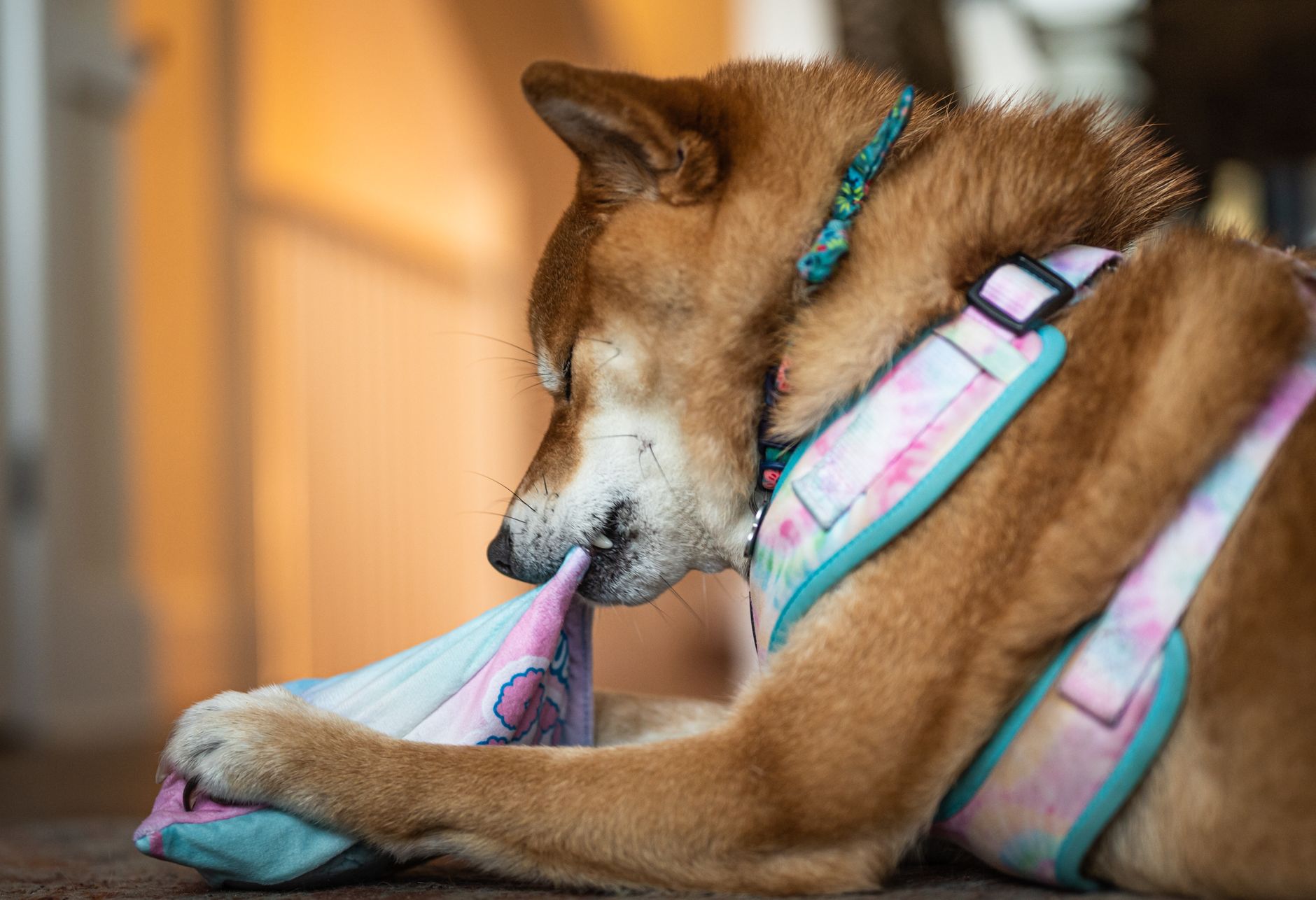
A snuffle mat is one of the most common starting points for DIY enrichment, and it can be made with only a holey rubber mat and strips of soft fabric. Owners usually thread towel or fleece strips through the holes and tie firm knots, gradually building a thick, shaggy surface. Kibble or small treats can then be sprinkled among the folds, encouraging pets to sniff and search until they find every piece. This type of game slows down fast eaters and offers sensory stimulation, but it also introduces certain responsibilities. Fabric must be secured tightly so that entire bundles cannot be pulled out and chewed as separate toys. For dogs that enjoy shredding cloth, strips should be wider and shorter, and sessions should be shorter with close monitoring. After each use, owners should shake out the mat and check for leftover food to avoid attracting insects or leaving crumbs that could mold, and periodic washing helps maintain hygiene.
Simple puzzle games with recycled cardboard boxes
Cardboard boxes are widely available and can easily become puzzle toys when combined with smaller containers and dry food. One straightforward idea is to place kibble inside toilet paper rolls or small cardboard cups, then hide them inside a larger box so the pet has to sniff and dig to find each piece. Another variation is to cut different sized holes in the lid or sides of a box and toss kibble through the openings, inviting dogs or cats to use paws or nose to retrieve food. These games are suitable for short indoor sessions and can be adjusted by adding more layers or sturdier cardboard. Because paper absorbs moisture and tears quickly, owners should remove tape, staples or other hardware that might cause injury and discard damaged boxes promptly after play. Leaving a heavily chewed box on the floor for days tends to create clutter and may encourage pets to treat any cardboard in the home as legitimate chewing material.
Combining plastic bottles and fabric strips for mixed play
Some owners experiment with clean plastic drink bottles, using fabric or rope to create toys that mix mild tugging and food searching. For example, they may drill small holes in the bottle, thread cloth strips through and tie secure knots, then place kibble inside so that food gradually falls out as the bottle moves. This can be stimulating for energetic dogs that enjoy carrying or nudging objects. Nonetheless, hard plastic carries more risk than fabric or cardboard. Once the bottle is cracked or chewed open, jagged edges may scrape gums or fracture teeth, so damaged toys should be removed immediately. Pets that already have a history of chewing and swallowing household items are poor candidates for this type of project, and purpose-made commercial food puzzles are usually safer for them. Owners should also avoid intense tug-of-war with bottles or other objects that could strain the neck or jaw and focus instead on gentle movement.
Adjusting difficulty, duration and design for each pet
The same snuffle mat or cardboard puzzle can feel very different to a large young dog, a senior small dog and an indoor cat. Matching difficulty to the individual helps keep enrichment enjoyable rather than frustrating. When a pet becomes anxious or gives up quickly, owners can make food easier to see and reach, then gradually increase the level of hiding as confidence grows. Short-nosed breeds or animals with breathing concerns should not spend long periods buried in dense fabric, and shorter sessions with looser mats are safer. Senior animals or those with joint discomfort may benefit more from low, stable setups than from jumping onto elevated surfaces or twisting awkwardly. In multi-pet homes, rotating individual play time or separating animals during food-based games can reduce tension. If any game consistently triggers stress, guarding or signs of discomfort, it is better to stop and seek advice from a veterinarian or qualified behavior professional.
DIY toys are helpful extras but not a substitute for professional care
Homemade toys and snuffle mats can make everyday life richer for pets and more creative for owners, yet they do not replace professional medical or behavior evaluation. Persistent chewing of non-food objects, frequent choking, or repeated conflicts around toys may point to deeper health or behavioral issues that need expert attention. In such cases, simply changing materials or adding more games may not address the underlying cause. All suggestions in this article are intended as general educational information, not as medical, legal or financial advice. Owners should treat DIY projects as one part of a broader care plan that includes regular veterinary visits, appropriate diet, and attention to emotional well-being. When serious concerns arise, consulting a veterinarian or behavior specialist is strongly recommended, and local regulations or professional guidance should always take precedence over informal tips.