Homemade pet treats can be a practical way to offer an occasional reward, but the goal is not to recreate human snacks with fewer seasonings. Dogs and cats have different nutritional needs, and a recipe that looks harmless may contain ingredients or portions that are unsuitable for them. Oven-baked biscuits, dehydrated meat, and air-fried bites can all work when the recipe is simple, fully cooked, and offered in small amounts. For pets with allergies, kidney disease, digestive problems, weight concerns, or prescription diets, these recipes are general information only and should be reviewed with a veterinarian before use.
Start with the pet, not the recipe
Dogs can often tolerate a wider variety of ingredients, while cats are obligate carnivores and generally need animal-based protein to remain the main part of a treat. Neither species should receive homemade treats as a replacement for a complete and balanced diet. Puppies, kittens, senior pets, and animals on a weight-management plan may need particularly careful portion control because extra snacks can add calories quickly.
Before cooking, consider the pet’s age, body size, known food sensitivities, and current diet. Introduce one new ingredient at a time so changes in stool, appetite, vomiting, or itching are easier to connect with a specific food. If a pet develops noticeable symptoms, stop the new treat and contact a veterinarian rather than trying several more recipes at once.
Three simple recipe ideas
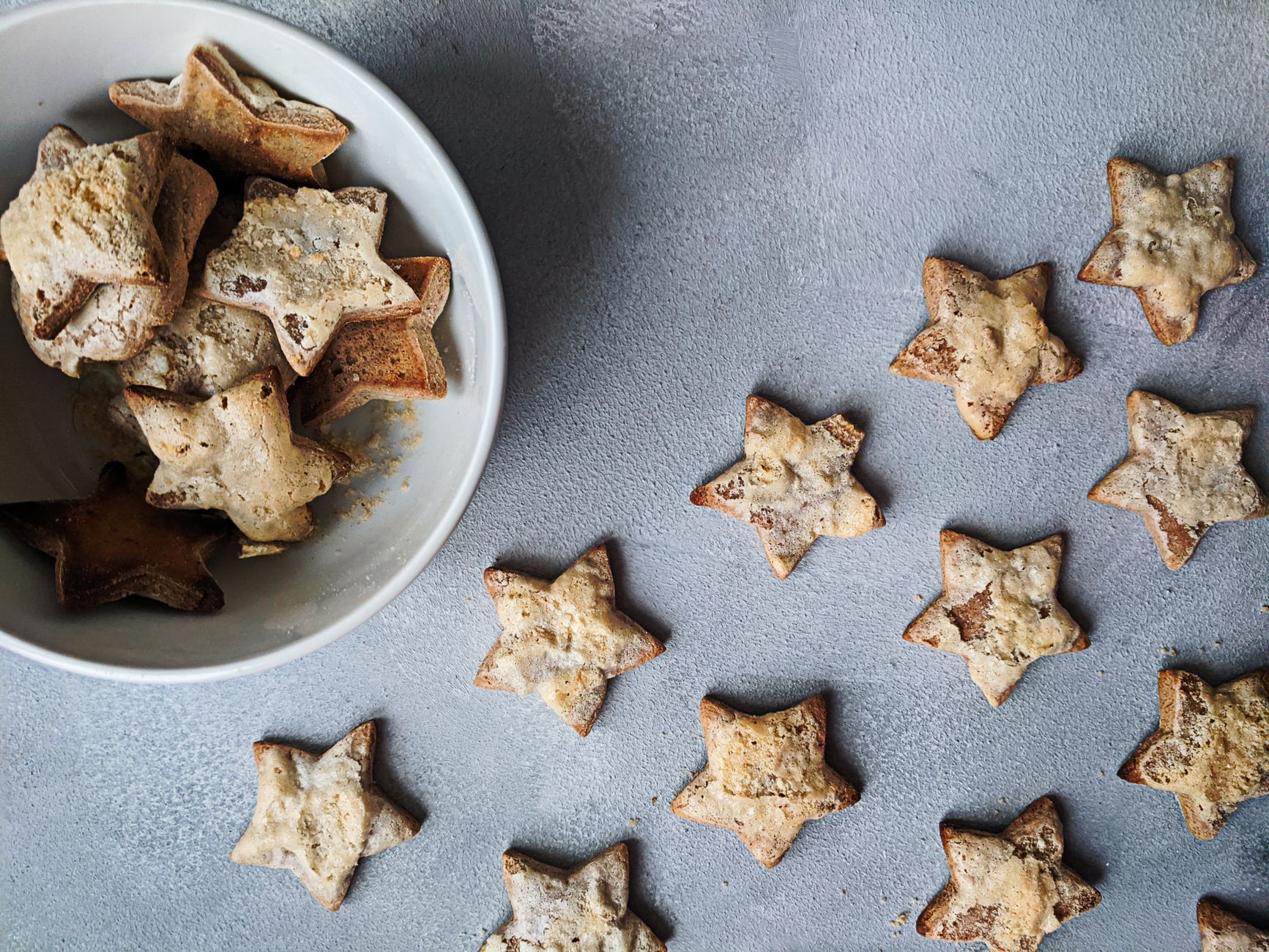
A pumpkin-oat biscuit is a beginner-friendly option for many dogs without special dietary restrictions. Mix plain pumpkin puree with finely ground oats and an egg, then form a soft dough and cut it into small pieces. For cats, use much less oat and add finely chopped, fully cooked chicken or turkey so the recipe remains centered on animal protein.
A second option is a plain chicken crisp made from boneless, skinless chicken breast. Slice it evenly, cook it thoroughly, and continue at low heat until the pieces are dry enough to break easily. A third option is a salmon-and-egg bite made with cooked, deboned salmon and egg; because salmon may be relatively rich, keep each portion small and watch for digestive upset. Do not add salt, sugar, butter, pepper, sauces, or seasoning blends.
Oven method: thin pieces and thorough cooking
An oven works well for biscuits and meat treats because the pieces can be arranged in a single layer. Keep dough fairly thin so the outside does not become hard while the center remains undercooked. For meat, remove bones, tough skin, and excess fat, then cut pieces to a similar thickness so they cook at a more consistent rate.
Preheat according to the recipe, use a clean baking tray, and allow treats to cool before judging their texture. The center of a biscuit should not look like raw dough, and meat should not remain pink or release raw juices. Time and temperature vary with moisture, thickness, and the appliance, so visual and texture checks matter more than following one fixed number. Wash tools thoroughly and keep raw meat separate from ready-to-eat food.
Air fryer method: small batches and airflow
An air fryer uses fast circulating heat, which can dry thin slices quickly but may also burn their edges. Place chicken, fish, or thin biscuits in a single layer without overlapping. Start with a moderate setting and a short interval, then check the pieces, turn them if needed, and continue until the thickest part is fully cooked.
Do not coat treats in seasoned oil or sauces. If parchment is permitted by the appliance instructions, it should not block the basket’s airflow and must be held down by the food so it cannot reach the heating element. After cooking, let the treat cool and break open the thickest piece to inspect the center. A treat does not need to be dark or extremely crisp; thorough cooking and appropriate moisture control are more important than appearance.
Ingredients to keep out of pet treats
Never add onions, garlic, leeks, chives, or related allium vegetables to dog or cat treats, whether raw, cooked, powdered, or dehydrated. Grapes and raisins should also be avoided. Chocolate, alcohol, caffeine, xylitol, heavily salted foods, and human seasoning mixes do not belong in a pet recipe. Animal safety guidance from the FDA and ASPCA identifies garlic, grapes, raisins, onions, and xylitol among foods that can be dangerous to pets, so ingredient labels deserve careful attention.
Bones are also unsuitable for homemade biscuits or meat snacks because cooked bones can splinter and create swallowing or gastrointestinal hazards. Raw yeast dough, moldy food, spoiled ingredients, and treats kept in uncertain conditions should be discarded. If a pet eats a potentially toxic ingredient or develops weakness, repeated vomiting, tremors, seizures, or breathing changes, contact a veterinarian promptly and keep the ingredient package or recipe available.
Portions, storage, and responsible feeding
Cut treats into pieces that match the pet’s size. During training, one biscuit can be broken into several rewards so the pet receives more interactions without consuming a large amount at once. A first serving should be very small, followed by observation of stool, appetite, skin, and energy. Pets on prescription diets should receive extra treats only after veterinary guidance.
Cool all treats completely before storage and label the container with the preparation date. Dry biscuits can be kept in a clean, sealed container, while treats containing meat or egg should be refrigerated for short-term use or portioned and frozen. Discard anything with an unusual odor, slimy texture, mold, or uncertain storage history. Keeping a simple ingredient and reaction log can help owners and veterinarians identify patterns if a pet later develops a suspected food sensitivity.