Pet stores are filled with fish oil, probiotics, joint formulas, multivitamins, and coat products, so many owners wonder whether regular food is enough. The answer is not that every dog or cat needs an extra supplement. The more useful starting points are whether the main diet is complete and balanced, which life stage the pet is in, whether a medical condition or medication changes the nutrition plan, and whether homemade food is being used. Veterinary nutrition guidance generally supports a complete diet from a reputable source for the pet’s species and life stage; adding vitamins or minerals on top without a clear reason can create unnecessary risk. This guide lays out a practical decision process instead of treating a supplement label as a substitute for a nutrition plan.
Check the main diet first
Before choosing a bottle, owners should identify what the pet already receives every day. A complete and balanced dog or cat food is formulated to provide essential nutrients in appropriate amounts and proportions for a stated life stage, while treats, toppers, table scraps, and complementary foods may not provide that coverage. A product labeled as a treat, topper, complementary food, or intermittent meal should not automatically be treated as a complete diet. The daily nutrition picture also includes foods used to give medication and any supplement already being used, because overlapping sources can change the total intake.
- Confirm the product is made for the correct species and life stage.
- Check the feeding guide against the pet’s weight, activity, and body condition.
- List treats, wet food, homemade food, toppers, and supplements together.
When professional assessment matters
Supplementation may be appropriate when a diet is incomplete, a veterinarian has identified a specific nutritional concern, or a pet’s age, disease, or treatment changes its requirements. Homemade diets deserve particular caution because recipes can lack calcium, iodine, vitamins, or other nutrients unless they are designed and reviewed by a veterinary nutrition professional. That does not mean a generic multivitamin powder will solve the problem; the correct ingredients and amounts depend on the recipe, the pet’s body weight, the species, and any medical conditions. Puppies and kittens also need balanced growth nutrition rather than random additions, and growing large-breed puppies may face skeletal concerns when calcium is supplied in excess.
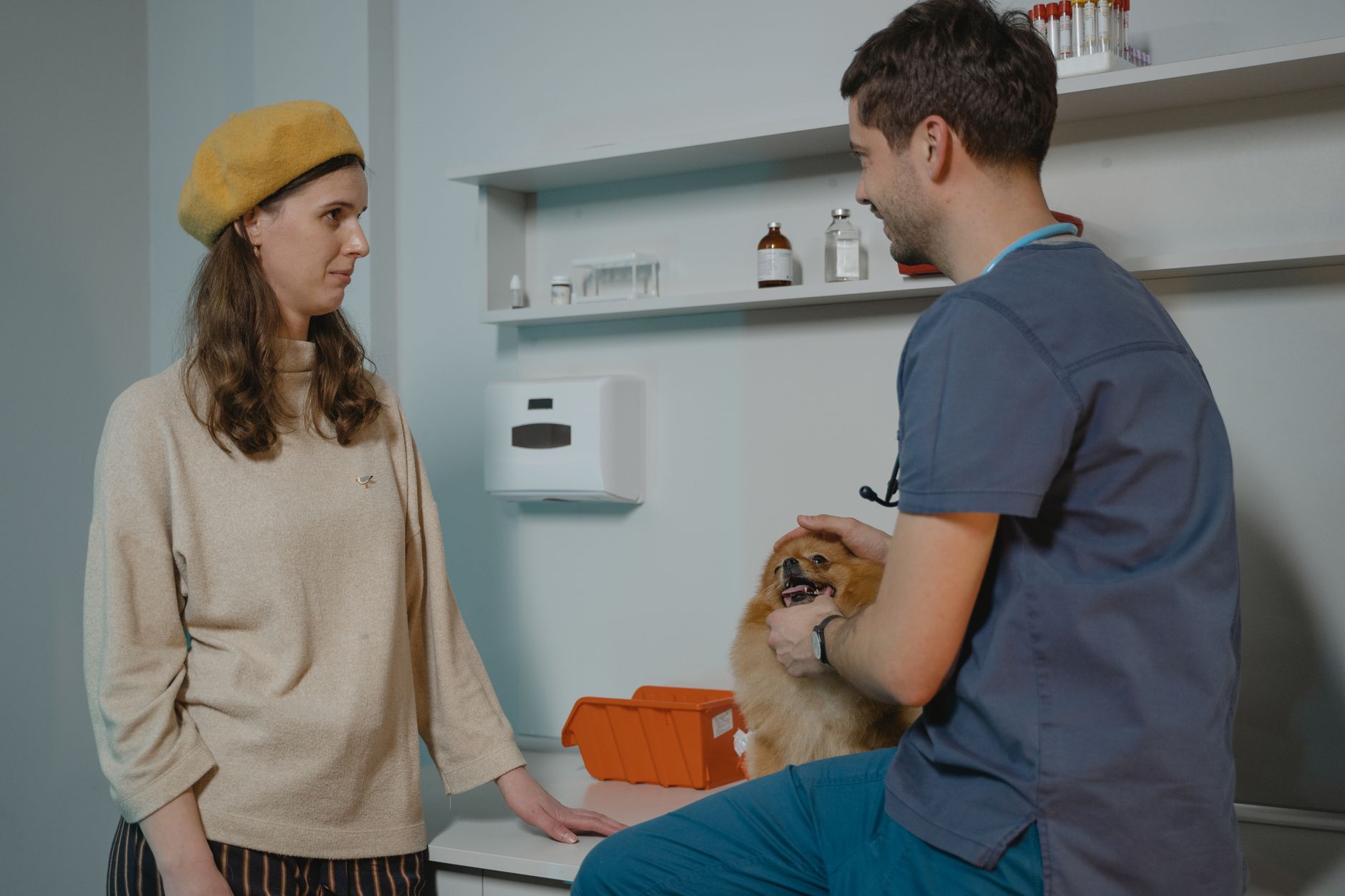
Older pets, pregnant or nursing animals, and pets with kidney, liver, urinary, or digestive conditions should not be given supplements based only on online recommendations. The same applies when a pet is taking prescription medication or has new changes in appetite, drinking, stool, body weight, or activity. A veterinary nutrition review should include every food and supplement, not just the main bag or can.
How to think about fish oil, probiotics, and joint products
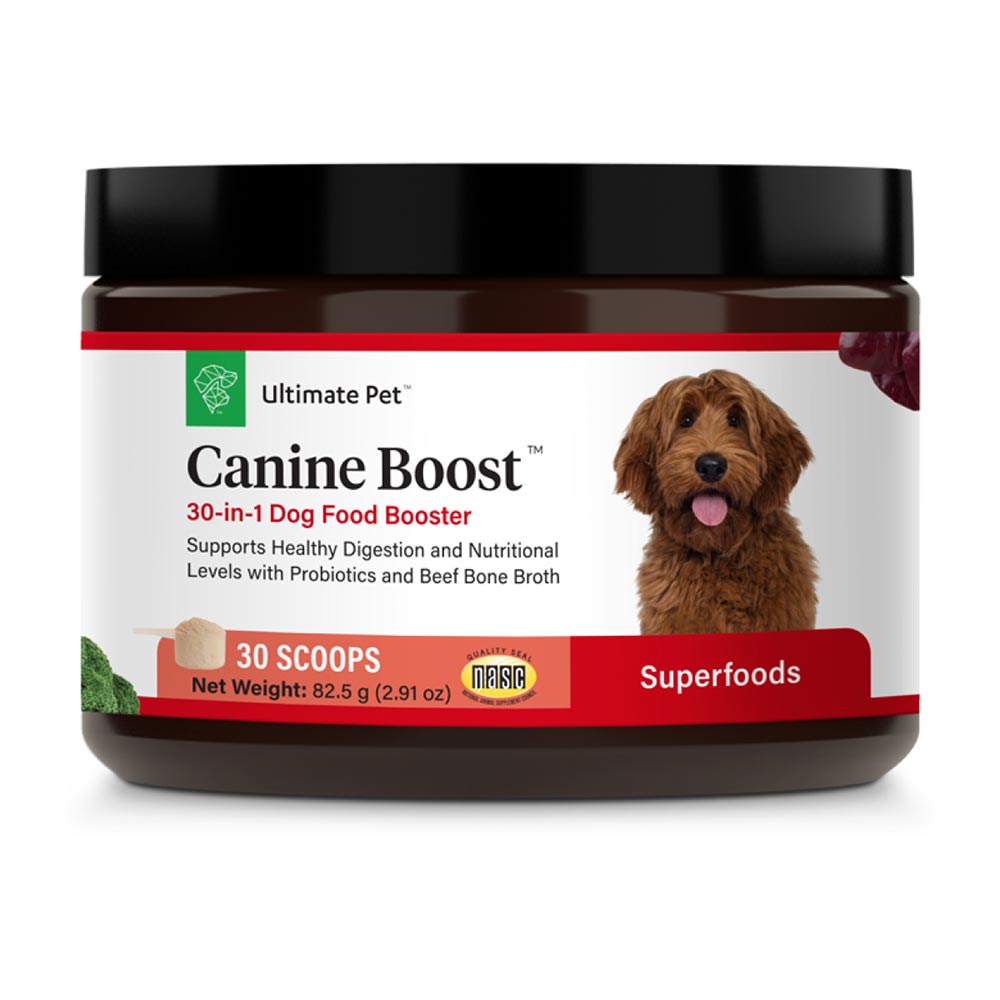
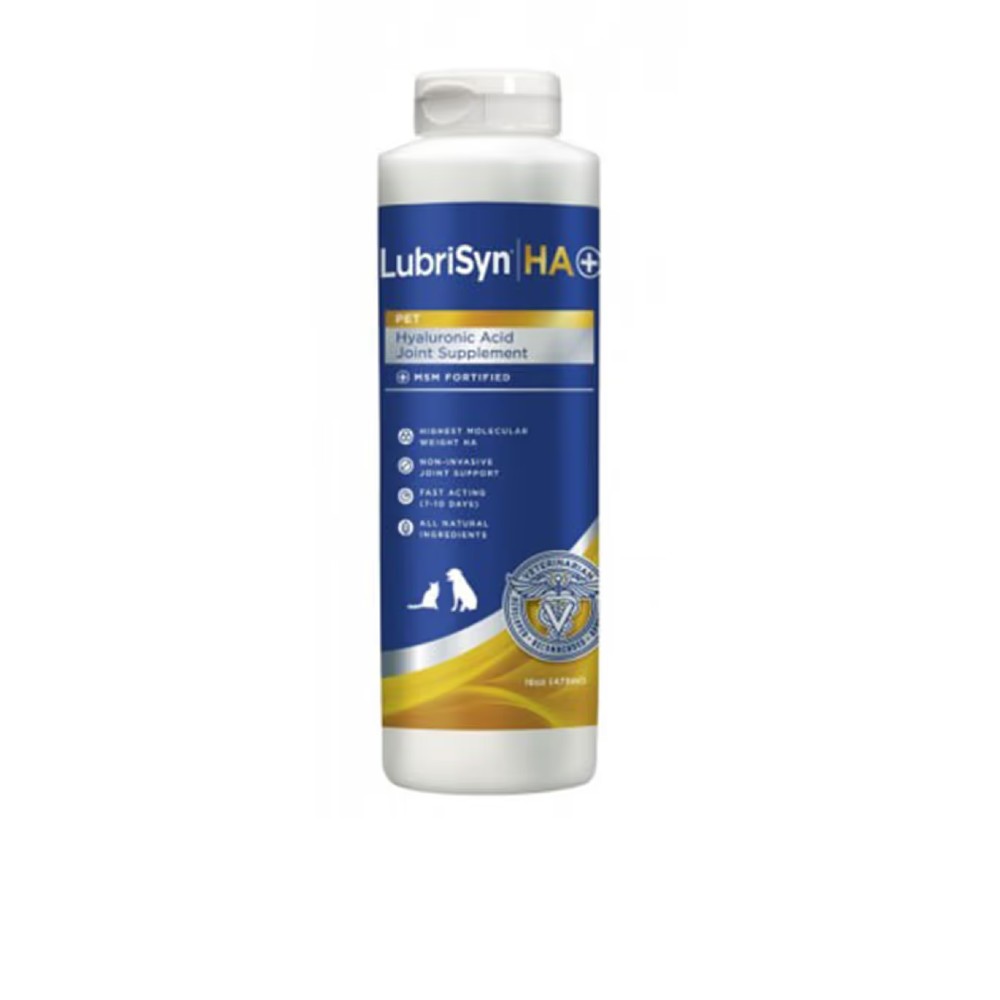
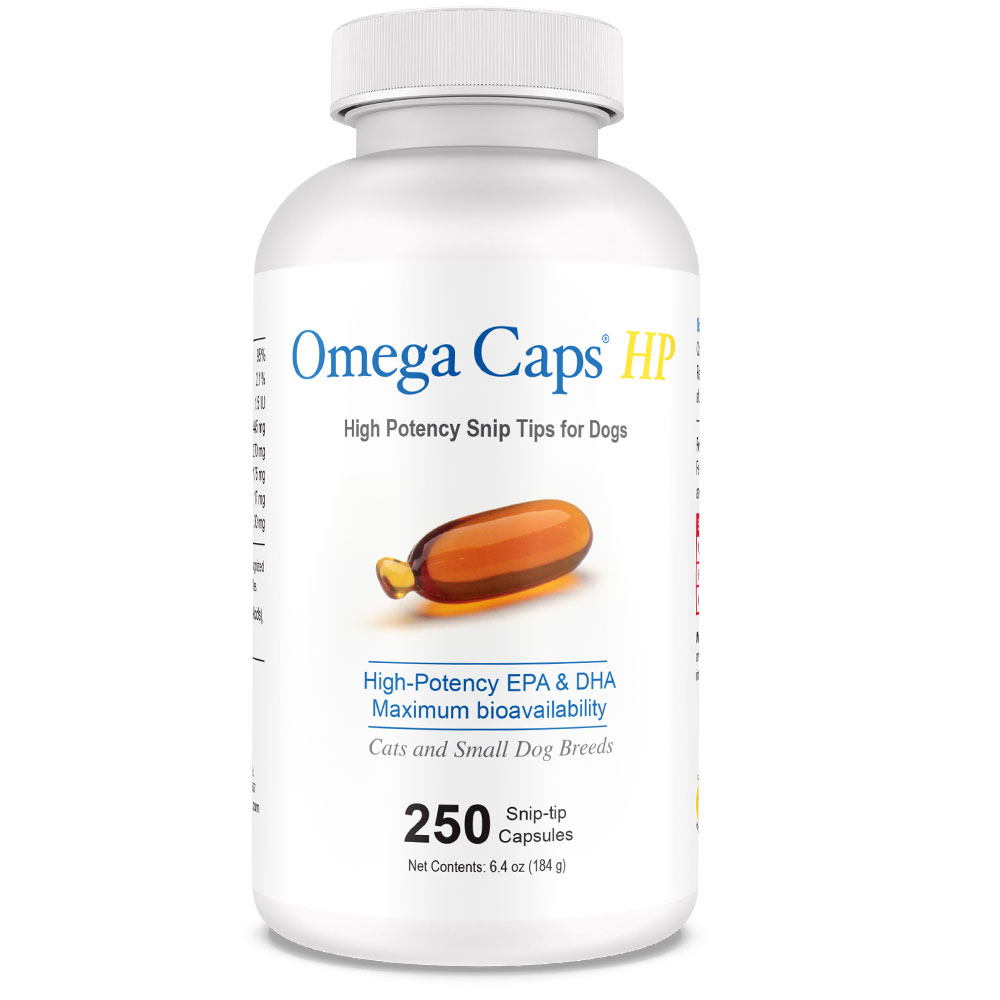
Fish oil is often considered for skin, coat, or general nutrition, but the important details include the source, EPA and DHA amounts, freshness, storage, and dose. “Salmon oil” on the front of a label does not by itself tell an owner how much active fatty acid the pet receives. Probiotics should be assessed by strain, stated amount, storage requirements, expiration date, and the pet’s actual situation; two products with the same broad category may not be interchangeable. Joint formulas may contain glucosamine, chondroitin, or other ingredients, but suitability depends on the pet’s weight, mobility, medical history, and the reason for considering the product.
A simple screening method is to ask three questions. Is the product filling a clearly identified dietary gap, or was it selected because of an attractive claim? Does the label state the species, serving size, ingredient amounts, storage instructions, and manufacturer information? Could it duplicate another supplement or interact with medication? If those answers are unclear, delaying the purchase is often more sensible than trying several products at once.
Natural does not mean risk-free
Terms such as natural, herbal, human-grade, and additive-free can sound reassuring, but they do not make a product automatically safe for dogs or cats. Species differ in metabolism, and a human vitamin, food, or botanical product may be unsuitable for a pet. High intake of certain vitamins, minerals, or concentrated oils can create nutritional imbalance, digestive upset, toxicity concerns, or medication interactions. Veterinary hospital guidance also notes that supplements can cause side effects, particularly when they are used incorrectly or at excessive doses.
If vomiting, diarrhea, itching, facial swelling, unusual tiredness, appetite changes, difficulty urinating, or other unexpected signs appear after a new product is introduced, stop adding the product and contact a veterinarian. Breathing changes or severe symptoms warrant prompt veterinary care. Keep the container, ingredient panel, lot information, serving size, and purchase details available for the appointment. Human multivitamins, essential oils, and unknown powders should not be portioned out for pets without professional advice.
Include cost and daily practicality
The real cost of a supplement is not only the price of the container. Owners should also consider the daily serving, how long the package lasts, refrigeration, light protection, opened-product shelf life, and whether the pet will reliably take it. A liquid oil may require careful storage, while a capsule may be simple for one dog but impossible for a selective cat. If a powder has to be hidden in wet food and the pet then refuses the meal, the feeding problem can become more significant than the original reason for buying it.
Before ordering, create a small comparison sheet with the monthly cost, daily amount, storage requirements, quality information, and a backup plan if the pet refuses it. New owners do not need to buy several formulas at once. Keeping the main diet consistent, monitoring body condition, providing fresh water, and scheduling routine veterinary checks usually creates a clearer baseline. If a supplement is introduced, adding one product at a time makes it easier to track stool, appetite, energy, and any unexpected reaction.
A practical decision path for different households
For a healthy adult dog or cat eating a complete and balanced diet with stable weight, appetite, and energy, the sensible first step is often to skip routine multivitamins and focus on appropriate food, water, activity, and preventive care. For puppies and kittens, choose a growth-appropriate diet and do not add calcium or vitamins simply to encourage faster growth. For senior dogs and cats, consider dental status, weight, kidney and liver health, mobility, and medication before discussing a targeted product.
- Multi-pet homes: keep each animal’s weight, age, medication, and serving separate.
- Homemade-diet households: have the recipe reviewed before selecting nutrient supplements.
- Pets with sensitive digestion or medication: introduce only one new product at a time.
- Budget-conscious owners: prioritize complete food, hydration, body-condition monitoring, and veterinary examinations.
There is no single supplement plan that fits every dog or cat. The most reliable order is to verify the completeness of the main diet, review age, body condition, medical history, medication, and feeding pattern, and only then discuss a product, dose, and duration with a veterinarian. Supplements can be part of an individualized nutrition plan, but they should not replace a complete diet, diagnosis, prescribed treatment, or ordinary daily care. This information is for general education only; pets with disease, pregnancy, growth-stage needs, or ongoing medication should be assessed by a veterinarian before a new supplement is started.