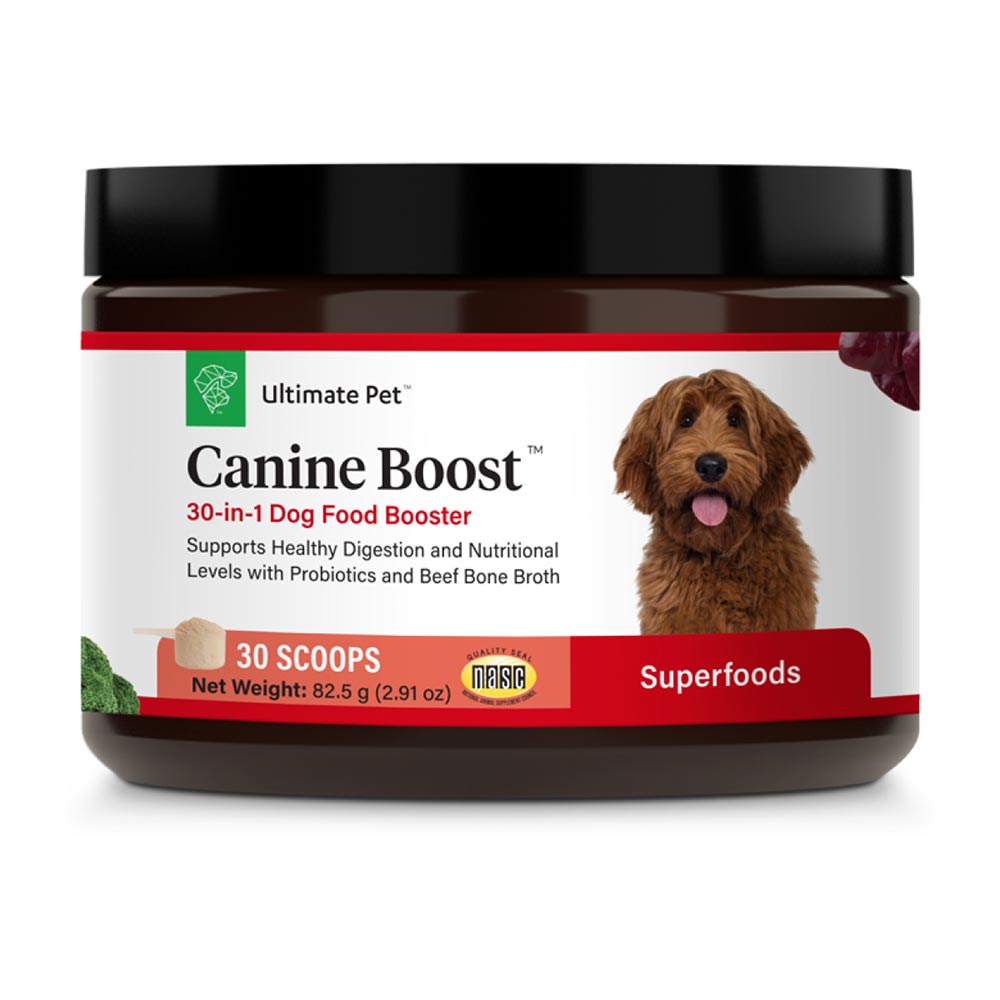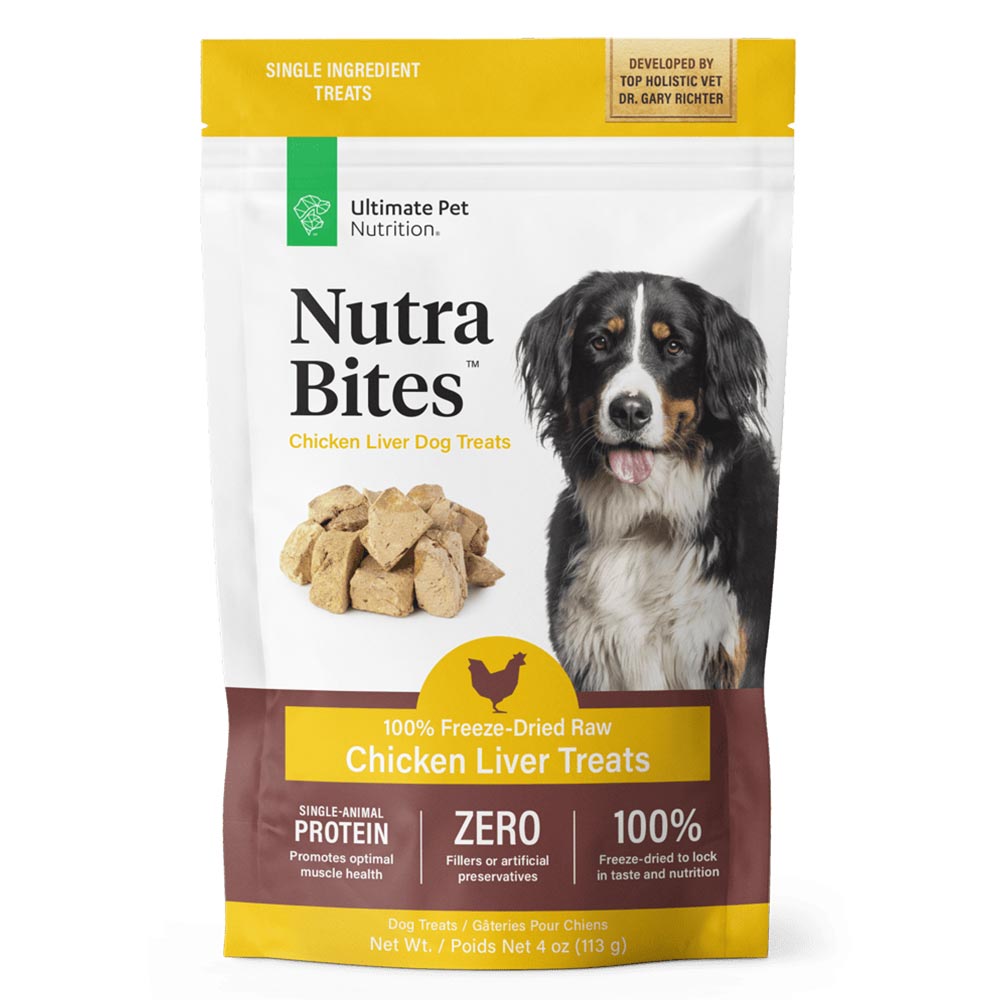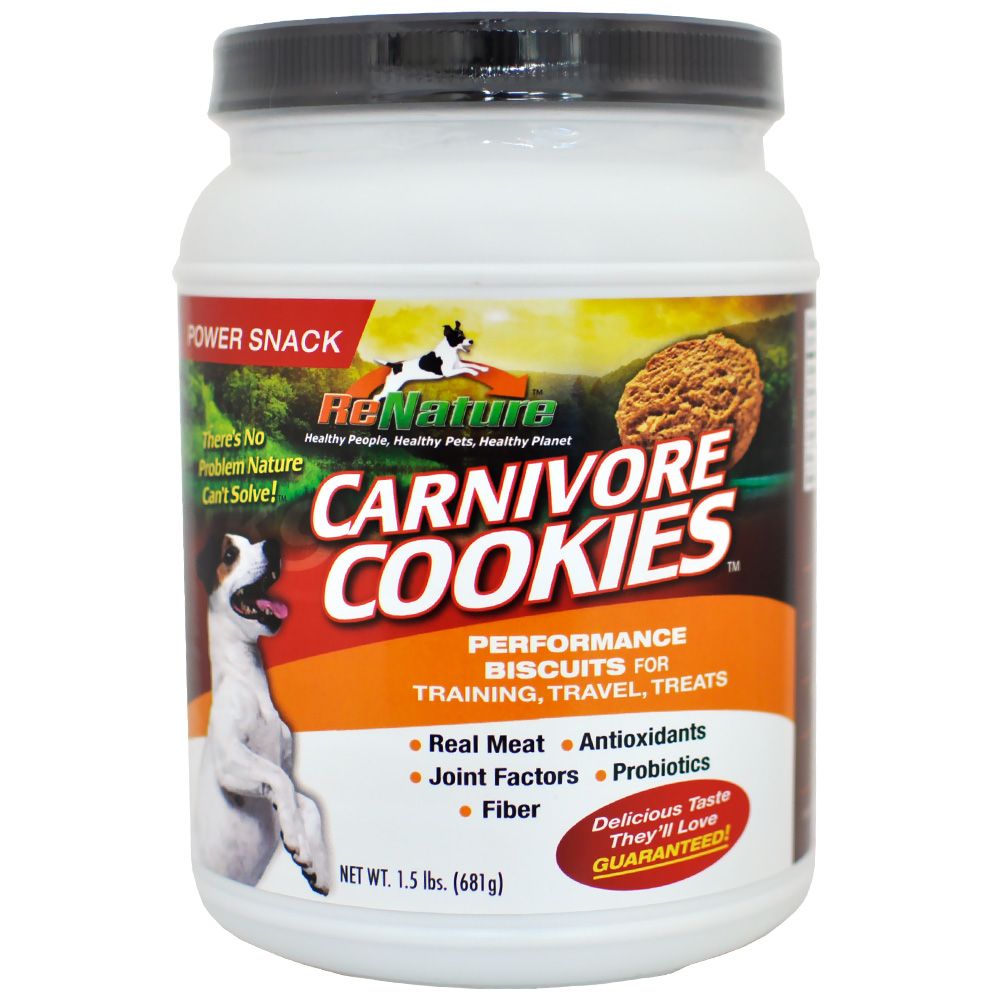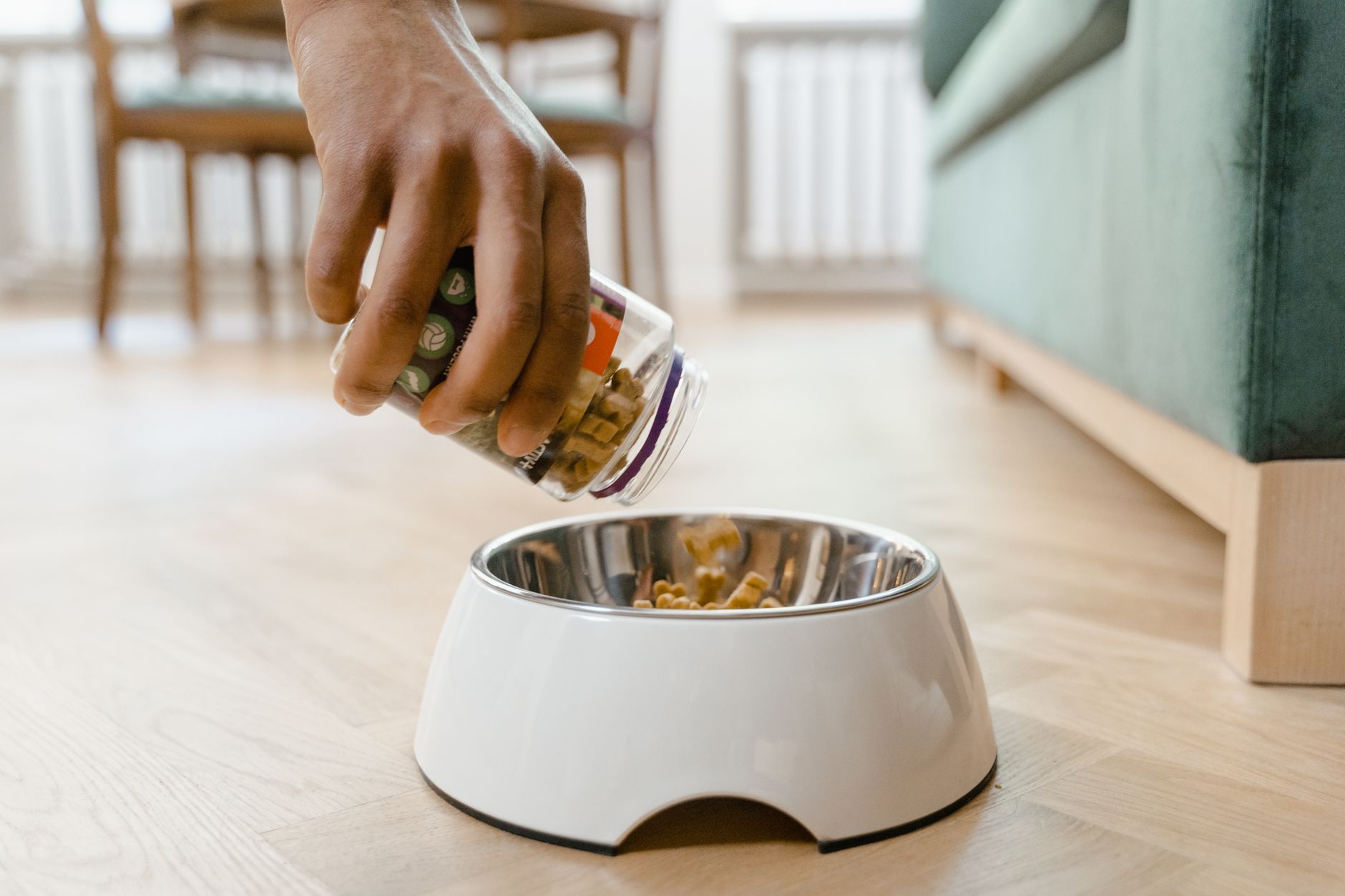
Pet probiotics are one of the most common supplements pet owners consider when a dog or cat has soft stool, a food transition, a temporary appetite change, or a disrupted routine. Veterinary and pet-nutrition sources generally describe probiotics as live microorganisms that may influence gut bacteria, the intestinal barrier, and immune interactions. The useful question is not simply whether they “work,” but when they are a sensible part of daily care and what kind of product is worth considering.
How pet probiotics are thought to work
The main idea behind probiotics is that they may support a healthier gut environment in several ways. Research and expert summaries describe possible mechanisms such as competing with unwanted microbes for space and nutrients, producing organic acids or other antimicrobial compounds, supporting the gut lining, and interacting with immune activity. In dogs and cats, the gut is not only about digestion; it is also closely tied to how the body responds to stressors, food changes, and inflammation-related signals.
When owners usually consider them
Pet owners often think about probiotics after a diet change, a stressful trip, a course of medication, or episodes of loose stool that keep coming back. In those situations, probiotics are usually discussed as part of routine support rather than a stand-alone answer. If a pet has vomiting, blood in the stool, obvious abdominal pain, dehydration, or repeated symptoms that do not settle, the priority should be a veterinary exam rather than trying product after product at home.
What to look for on the label
The first rule is to look for clear strain information instead of relying on marketing language alone. Sources consistently note that different strains can have different research backgrounds and practical uses, so a generic probiotic label does not tell the whole story. Owners should check whether the product lists the species, strain code, storage instructions, and feeding directions, because those details make it easier to judge whether the supplement was designed for dogs and cats rather than for people.
More is not always better
A higher count of bacteria is not automatically a better choice. Product design, storage quality, and whether the formula includes prebiotics all matter. Prebiotics are often described as food for beneficial bacteria, and some products pair them with probiotics in the same formula. Because live microbes are sensitive to heat, moisture, and time, poor storage can reduce product quality. That matters for anyone who keeps supplements in a hot car, a humid room, or an open container for too long.
What to observe after starting one
Probiotics are rarely a one-time fix, so owners should watch practical signs such as stool shape, stool frequency, gas, appetite, and general energy rather than expecting an instant change. For sensitive pets, a small starting amount and a short observation period can help owners judge whether the product fits their pet’s routine. If a pet is also taking antibiotics or other prescribed medicine, a veterinarian can advise whether the timing should be separated.
Common mistakes to avoid
One common mistake is using probiotics as the first response to every case of diarrhea, which can delay care for a more serious problem. Another is copying a recommendation from social media without considering the pet’s age, breed, diet, and history of digestive sensitivity. A third mistake is expecting rapid results when gut health is shaped by food, stress, medication, and routine all at once, which means no single supplement can explain or fix everything.
Pet probiotics can be a useful part of overall digestive care, but they work best when owners treat them as one piece of a bigger picture. Checking the strain, storage instructions, and the pet’s actual symptoms is more practical than choosing by trend. If a dog or cat has a sensitive stomach or repeated loose stool, a discussion with a veterinarian is usually the clearest next step before adding a supplement to the daily routine.