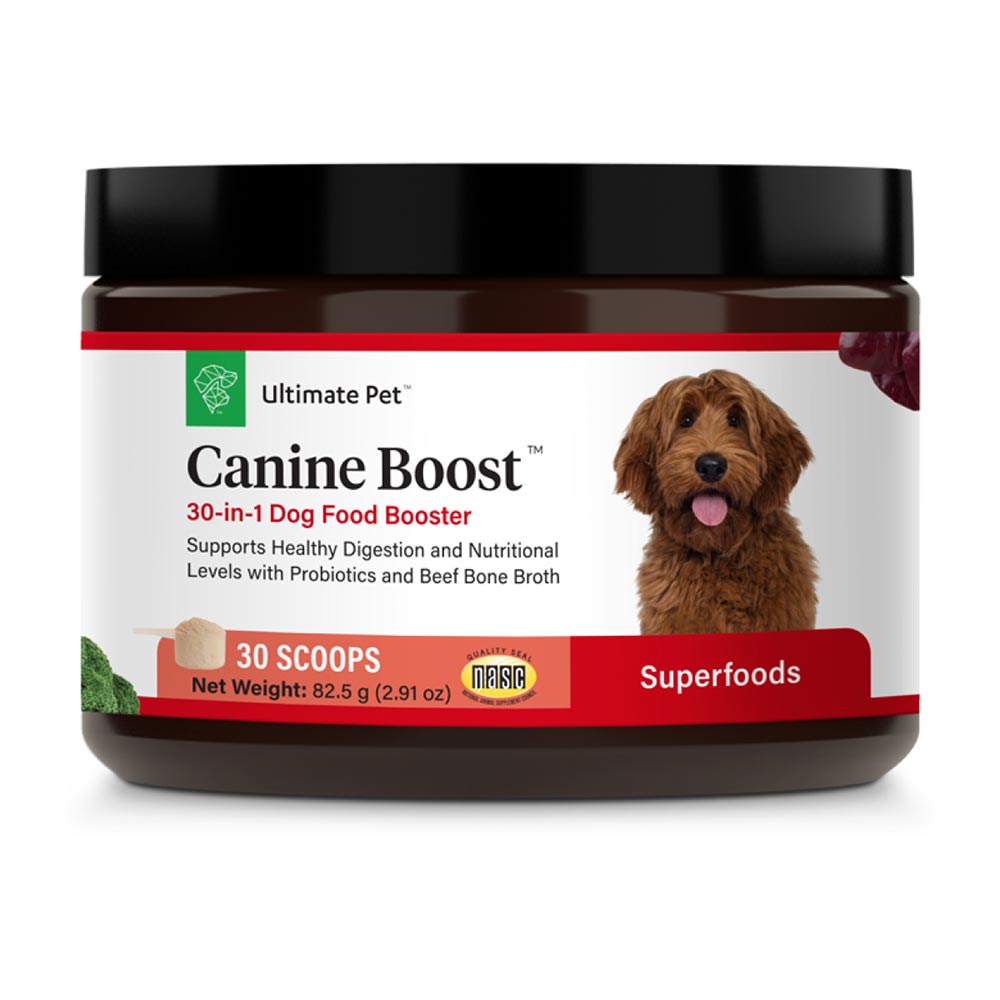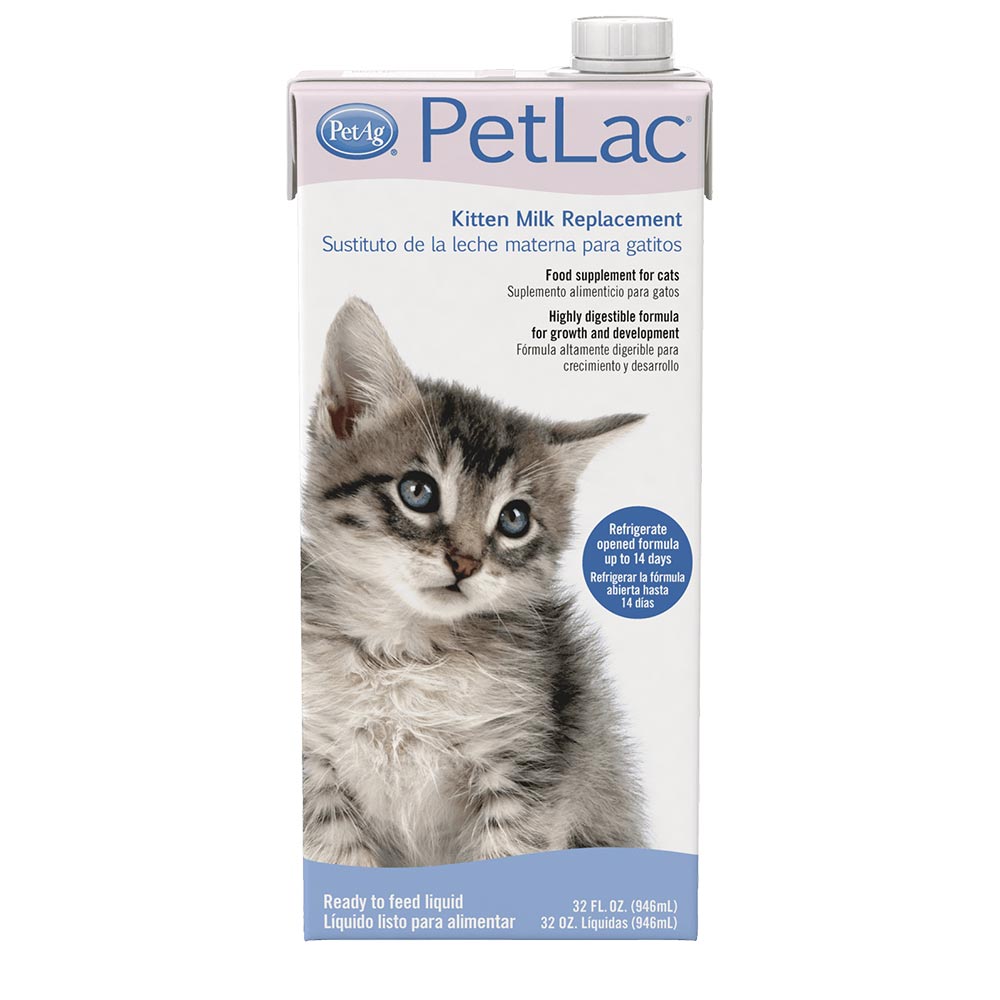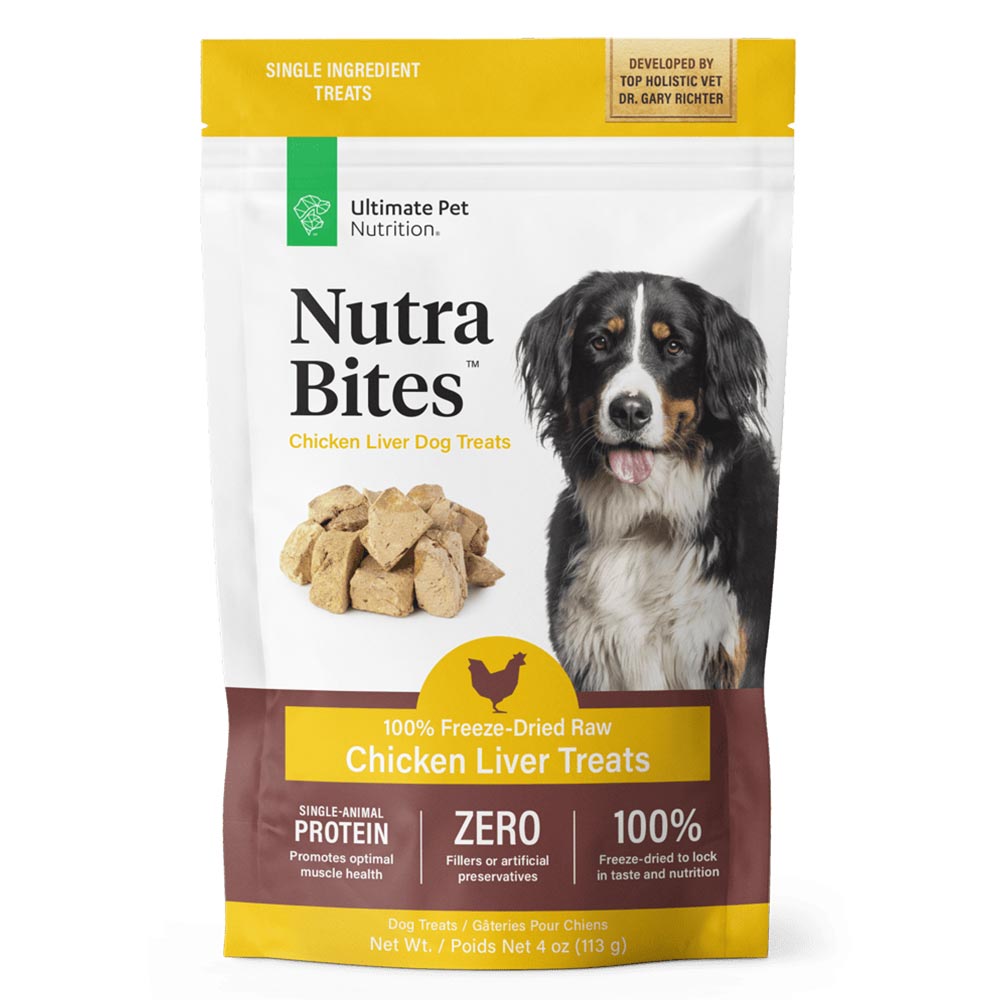
Puppies and kittens grow quickly, so many owners wonder whether regular food is enough and consider calcium chews, fish oil, probiotics, or multivitamins. For a healthy young dog or cat eating a complete and balanced diet formulated for its species and growth stage, extra supplements are usually not necessary. The priority is choosing appropriate food, feeding the right amount, monitoring body condition, and scheduling veterinary checks. Supplements are not a standard requirement for every young pet, and unnecessary additions can disturb nutrient balance.
Start with the main diet
Growing puppies and kittens need different amounts and ratios of energy, protein, fat, vitamins, and minerals than adult animals. Check the package for the intended species and life stage, along with wording such as complete and balanced or a statement that the food meets an established nutritional profile for growth. Products labeled for treats, supplemental feeding, or intermittent feeding should not be used as the sole diet. For puppies, expected adult size also matters, because large-breed growth formulas require particularly careful feeding.
A kitten eating a complete kitten wet food or dry food, or a puppy eating a complete growth formula, will generally receive the nutrients supplied by that recipe. Owners should not judge a diet from one ingredient or add human vitamins simply because the label sounds appealing. Homemade diets, unclear food sources, and combinations of several supplements deserve professional review. A veterinarian or qualified veterinary nutrition professional can assess the entire diet rather than focusing on one popular ingredient.
Why extra calcium can be risky
Growing animals do need calcium and phosphorus, but the important issue is the correct amount and ratio, not simply adding more calcium. Veterinary nutrition guidance notes that both deficiency and excess can create problems. When a puppy or kitten already eats a complete growth diet, an added calcium tablet or powder may interfere with the balance of the original formula; this concern is especially important for large-breed puppies. A kitten should not receive calcium just because it is teething or looks small-framed.
Supplementation may be appropriate in selected situations, such as an incomplete diet, a diagnosed nutritional need, an absorption problem, or a veterinary-managed medical condition. The decision should consider age, breed, current weight, growth pattern, body condition, stool quality, and the full feeding history. Mineral products should be intended for dogs or cats and used at the prescribed amount. Advice from social media or family experience cannot replace an individual nutritional assessment.
What about fish oil, probiotics, and vitamins?
Fish oil, probiotics, vitamins, and amino acids are not automatically required for every puppy or kitten. Some may be included in a veterinary nutrition plan for a particular animal, but the purpose, dose, product quality, and duration should match the pet’s age, weight, food, and health status. Young animals can have sensitive digestive systems, and adding several powders or oils at once may lead to loose stools or appetite changes while making the original problem harder to identify.
Read the species label, ingredients, amount per serving, storage instructions, and age guidance carefully. Cats and dogs have different nutritional needs, so a product advertised for both species still requires thoughtful use. Extra caution is appropriate when a young pet is taking medication, has a history of liver or kidney disease, is recovering from illness, or has recurring digestive problems. Ask a veterinarian before introducing any supplement in these situations.
Daily care matters more than a supplement shelf
The foundation of healthy growth is a stable, appropriate diet, a suitable daily amount, and regular observation. Feeding directions on the package provide a starting point, but portions may need adjustment based on body condition, activity, growth trend, and veterinary advice. Treats, meat paste, table food, and chew products also contribute to daily intake and should not displace the complete main diet.
- Record weight and observe body condition at regular intervals.
- Introduce a new food gradually rather than changing meals suddenly.
- Keep vaccination, parasite-control, and growth appointments on schedule.
- Ask for an individual plan for large-breed puppies, underweight pets, overweight pets, or animals with ongoing symptoms.
When to ask a veterinarian first
Persistent vomiting or diarrhea, reduced appetite, poor weight gain, low energy, an unhealthy coat, or repeated discomfort after eating are reasons to seek veterinary advice rather than immediately buying a supplement. Nutritional signs can reflect feeding errors, parasites, infection, food intolerance, or another medical issue. Very young animals can become dehydrated or nutritionally compromised quickly, so age and symptom duration matter.
Before the appointment, record the main food, daily quantity, treats, supplements, medication, and the date each item was started. Weight records, stool photos, and notes about appetite can also be useful. If a veterinarian recommends a supplement, confirm the intended purpose, dose, duration, stopping criteria, and follow-up plan. This prevents duplicate ingredients and gives the owner a clear way to monitor tolerance.
A practical decision sequence for owners
When asking whether a puppy or kitten needs a supplement, begin with four questions. Is the food complete and balanced for the correct species and growth stage? Is the daily amount appropriate for the pet’s body condition and growth pattern? Are there symptoms, a diagnosis, or a special diet requirement? Has a veterinarian identified a specific reason and product? If the diet is appropriate and the pet is healthy, self-directed supplementation is usually unnecessary.
This sequence also helps evaluate common claims about puppy calcium, kitten fish oil, or multivitamins during teething. Health information is for general education and does not replace veterinary diagnosis or nutritional assessment. Breed, age, adult size, medical history, and diet can change the recommendation. For most young pets, a reliable complete diet, measured feeding, preventive care, and attentive observation are more important than adding multiple products.