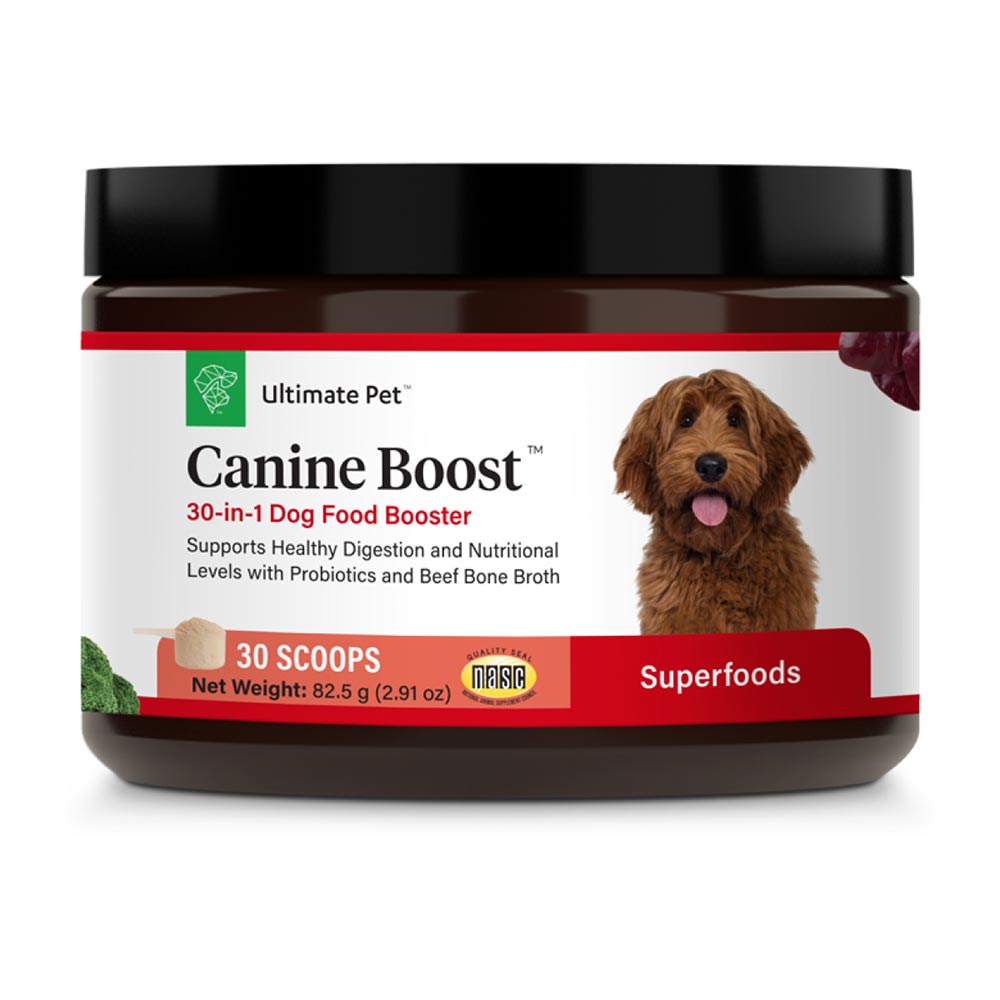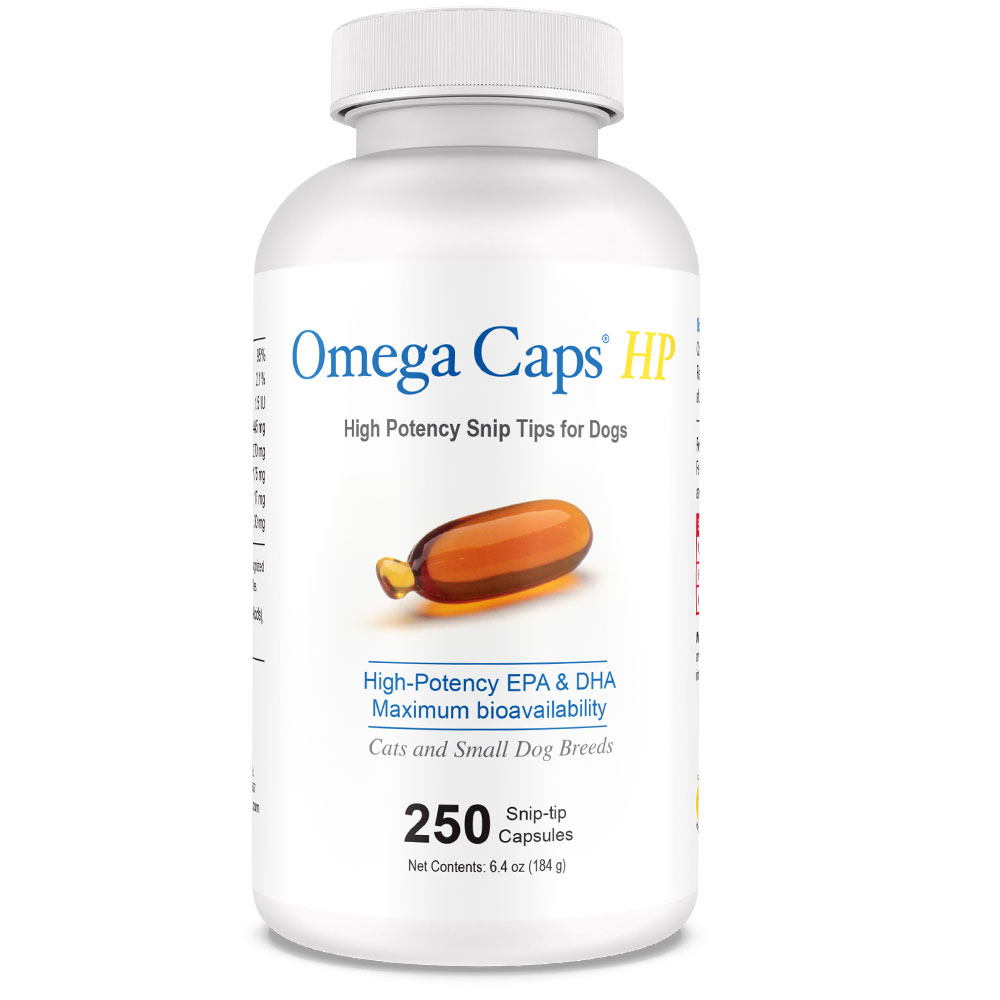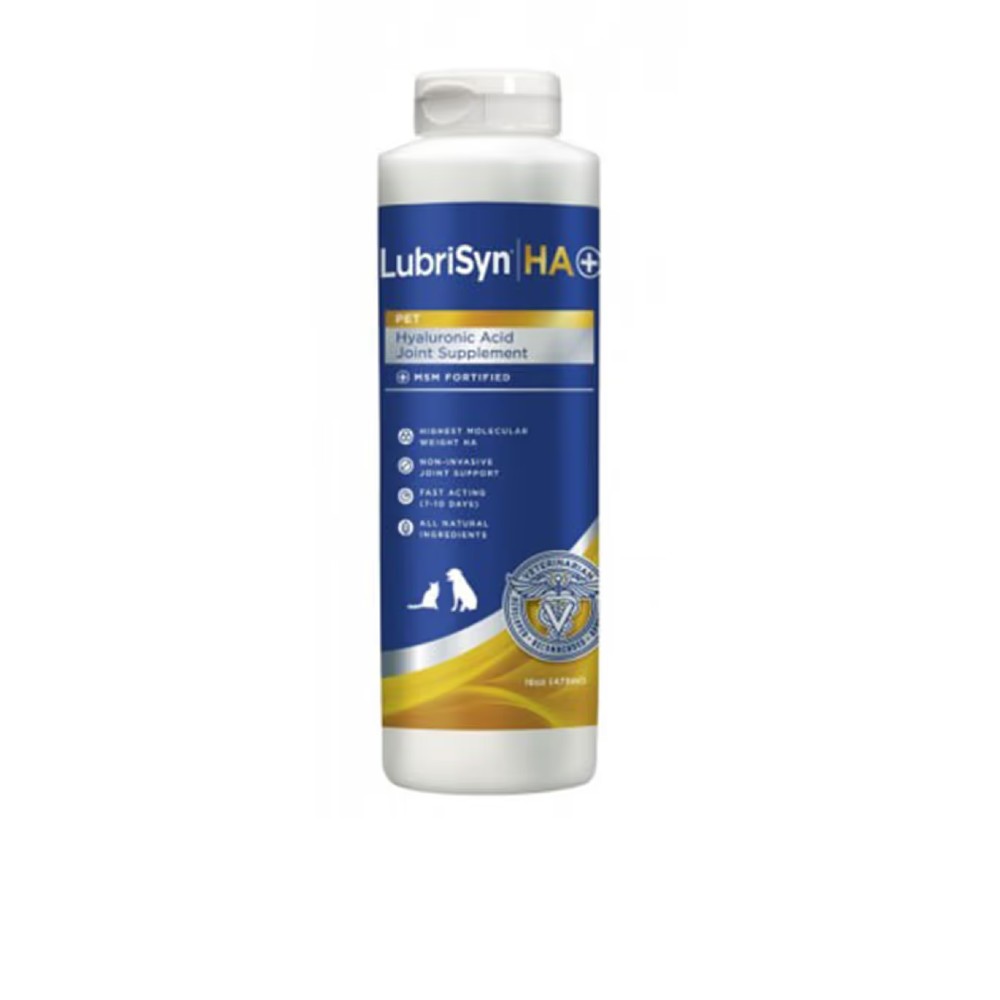
Many pet owners add fish oil, joint powder, probiotics, calcium, or a multivitamin to a dog or cat’s daily food and then wonder whether the nutrients overlap. The answer depends on the product, but the safest starting point is to identify whether the main diet is complete and balanced for the right species and life stage. Food, canned meals, treats, fresh food, toppers, and supplements all contribute to the daily intake, so looking at one label in isolation can miss the bigger picture. Extra vitamins and minerals are not automatically useful simply because they are sold for pets.
Start with the main diet
A complete and balanced food is formulated to provide the required nutrients in appropriate amounts and proportions when fed as directed for a particular species and life stage. This is different from treats, toppers, nutritional pastes, and complementary products, which are usually not designed to serve as the sole long-term diet. Check whether the label is intended for puppies, adult dogs, kittens, adult cats, seniors, or a specific medical purpose. If a dry food is already a complete diet, adding several nutrient products means the total daily intake must be considered rather than treating each item as separate.
Nutrients that commonly overlap
The most common overlap involves multivitamins, calcium products, joint formulas, fish oil, and skin-and-coat products. A complete food may already contain vitamins A, D, and E, along with calcium, phosphorus, zinc, or selenium. Adding another product with the same nutrients can push the total higher than intended. Vitamin D and selenium deserve particular caution because excessive amounts can be harmful, while extra calcium can be especially inappropriate for growing puppies and kittens if it disrupts the balance of the diet. Fish oil also needs label checking because some products contain added vitamins A or D.
- Multivitamins: compare vitamins A, D, E, and added minerals.
- Calcium powders: use extra caution with puppies, kittens, and large-breed growth.
- Fish oil: check EPA, DHA, total fat, and added vitamins.
- Joint products: review glucosamine, chondroitin, MSM, minerals, and serving size.
Not every supplement has the same risk
Some products mainly provide fatty acids, fiber, or other functional ingredients that may not be present in the same form in the main food. That is different from adding a concentrated vitamin or mineral blend, but it does not remove the need to check the total diet. Fish oil and calorie-dense pastes can add meaningful calories, and several products may duplicate the same ingredient. Dogs and cats eating a suitable complete diet generally do not need extra vitamins and minerals unless there is a specific veterinary reason. Pets on prescription diets, with kidney or liver disease, digestive sensitivity, pregnancy, lactation, or ongoing medication need individualized advice before a supplement is added.
Read the label beyond the marketing name
Terms such as “joint support,” “skin and coat,” and “daily nutrition” describe a product category, not its actual nutritional impact. Compare the serving size, daily amount, active ingredients, vitamin and mineral levels, fat, calories, and any upper feeding limit. If the label lists ingredients but does not clearly state quantities, it becomes difficult to estimate total intake. Human multivitamins, calcium tablets, herbal products, and flavored supplements should not be shared with pets without veterinary guidance because species, dosage, and added ingredients can differ substantially.
| Check | What to confirm |
|---|---|
| Main food status | Complete and balanced, species, and life stage |
| Daily amount | Actual amount fed versus the label recommendation |
| Repeated nutrients | Vitamins A, D, E, calcium, phosphorus, zinc, and selenium |
| Added calories | Fish oil, pastes, treats, and toppers |
| Reason for use | Veterinary recommendation or general self-selection |
When to pause and contact a veterinarian
If a pet receives two or more products containing vitamins or minerals, or if the amounts cannot be calculated from the labels, pause before adding anything else. Vomiting, diarrhea, appetite changes, unusual lethargy, or noticeable changes in drinking and urination should not be automatically blamed on the food or countered with another supplement. Puppies, kittens, senior pets, overweight pets, animals with chronic disease, pets taking medication, and animals eating prescription diets deserve extra caution. Bring the product containers or clear label photos, the daily feeding amounts, recent body weight, and a symptom timeline to the appointment.
A practical way to manage the daily diet
The simplest approach is to treat the complete main food as the nutritional foundation, then ask whether there is a clear reason to add anything else. If the goal is simply to provide “more nutrition,” first review treat portions, inconsistent meal sizes, water intake, and whether the food matches the pet’s life stage. When a supplement is appropriate, introduce one product at a time and record its name, serving size, start date, and any observed changes. Avoid changing the food, canned meals, treats, and supplements all at once, because it becomes difficult to identify the source of a reaction or digestive upset.
- Confirm that the main food is complete and balanced.
- List dry food, wet food, treats, fresh food, and supplements by daily amount.
- Compare repeated vitamins, minerals, fat, and calories.
- Ask a veterinarian to review the labels for high-risk pets or unclear products.
For most healthy dogs and cats, a suitable complete diet is the core of nutritional planning, while supplements should have a specific purpose rather than being added automatically. The key question is not whether a product sounds healthy, but whether the same nutrient is arriving from several sources and whether the total amount fits the pet’s species, age, weight, and health status. Keeping a simple feeding log makes it easier to review changes whenever a new bag of food, canned recipe, treat, or supplement is introduced. This article provides general pet nutrition information and does not replace veterinary assessment for an individual animal.