A pet’s immune system is not transformed by one special ingredient. For most dogs and cats, everyday immune health is supported by a consistent foundation: a complete and balanced diet, an appropriate body condition, adequate water, and feeding practices that match the animal’s species, age, activity, and medical history. The phrase “boost immunity” is often used in marketing, but the more useful question is whether the daily diet supplies the nutrients the pet actually needs. This guide explains how to read food labels, evaluate protein and fat, use fresh foods and treats responsibly, support hydration, and adapt feeding for puppies, kittens, senior pets, and animals with health conditions. Nutrition advice should be individualized by a veterinarian when a pet has ongoing symptoms, chronic disease, weight loss, or appetite changes.
Start with a complete and balanced main diet
The most important nutritional decision is choosing a main food that is complete and balanced for the correct species and life stage. A label that highlights “high protein,” “natural,” or “immune support” is not enough by itself. Foods intended for supplemental, intermittent, or complementary feeding are not designed to replace every meal over the long term. The World Small Animal Veterinary Association recommends looking at the nutritional adequacy statement, calorie information, manufacturer contact details, quality-control practices, and access to qualified nutrition expertise rather than relying only on front-of-package claims.
- Confirm that the food is intended for a dog or cat.
- Match the formula to growth, adulthood, reproduction, or another stated life stage.
- Compare calorie density and feeding amounts instead of measuring every brand by cup or scoop.
Dry food, canned food, and pouches can all fit into a sound plan when the product is appropriate and fed in a suitable amount. Changes should be gradual, especially for pets with sensitive digestion. A sudden switch in brand, protein source, texture, or moisture level can lead to loose stool, vomiting, or food refusal; pets with allergies or digestive disease need a more carefully supervised plan.
Protein, fat, vitamins, and minerals work together
Immune cells and body tissues require protein, fat, vitamins, and minerals, so focusing on one nutrient rarely tells the whole story. A higher protein percentage is not automatically better for every pet, and the ideal amount may depend on age, muscle condition, activity, and kidney or liver status. Fat contributes concentrated energy and palatability, but a rich diet may be unsuitable for an overweight pet, a low-activity animal, or one with a history of pancreatic problems. The goal is not to chase the highest number on a guaranteed analysis; it is to find a digestible, safe diet that fits the individual animal.
Practical label checks include a clear adequacy statement, calorie information, feeding directions, and a manufacturer that can explain quality-control procedures. After feeding, owners can monitor stool quality, body weight, muscle condition, coat, appetite, and energy, while remembering that home observation does not replace veterinary examination. If a pet already eats a complete and balanced commercial diet, adding several vitamin or mineral products may create excesses or disturb the nutritional balance rather than adding value.
How to use fresh foods, vegetables, and treats
Small amounts of fresh food can add variety or encourage a reluctant eater, but fresh ingredients should not gradually displace the nutritionally complete main meal. Treats, meat toppers, vegetables, fruit, and human food all count as extras. A commonly used practical limit is to keep extras to about ten percent of the pet’s daily calories, although the appropriate amount may be lower for animals that gain weight easily or have medical conditions. Dogs may tolerate small portions of plain foods such as carrots, berries, or bell pepper, while cats generally obtain most of their useful calories from animal-based nutrition and do not need vegetables as a major part of the diet.
Human foods require careful screening. Onions, garlic, grapes, raisins, xylitol, alcohol, chocolate, heavily salted foods, and rich or seasoned leftovers can be dangerous for dogs and cats. Cooked bones, fish bones, and small breakable objects can also cause injury or obstruction. Long-term home-prepared diets should not be built from plain boiled meat and vegetables alone; a veterinary nutrition professional should formulate the recipe so that essential nutrients and mineral ratios are covered.
Hydration and body condition matter too
Food is only one part of nutrition. Cats may benefit from feeding strategies that make water more appealing, such as wet food, several clean bowls, or a properly maintained fountain, but every water device needs regular disassembly and cleaning to control residue and microbial buildup. Dogs should have access to clean water throughout the day, with extra attention during warm weather, travel, exercise, or periods when dry food makes up most of the diet.
Body condition is another useful checkpoint. Excess weight places additional stress on the body, while unexplained thinness can reflect inadequate intake, dental pain, digestive problems, absorption issues, or another medical concern. Owners can record weight regularly, observe the waistline, and assess whether the ribs can be felt without excessive pressure. Increased thirst, frequent urination, repeated vomiting, persistent diarrhea, poor appetite, low energy, or a clear weight change should prompt veterinary care rather than a trial of supplements.
Puppies, kittens, seniors, and special cases need different plans
Puppies and kittens have growth-related needs that differ from adult animals, including careful attention to energy density and mineral balance. Large-breed puppies are particularly poor candidates for casual calcium supplementation or rapid weight gain. Senior dogs and cats should not automatically be placed on a low-protein diet or given multiple supplements simply because they are older; decisions should consider muscle mass, kidney function, dental comfort, activity, and diagnosed conditions. Pregnancy, nursing, recovery after surgery, kidney disease, diabetes, heart disease, and suspected food allergy all require more individualized nutrition planning.
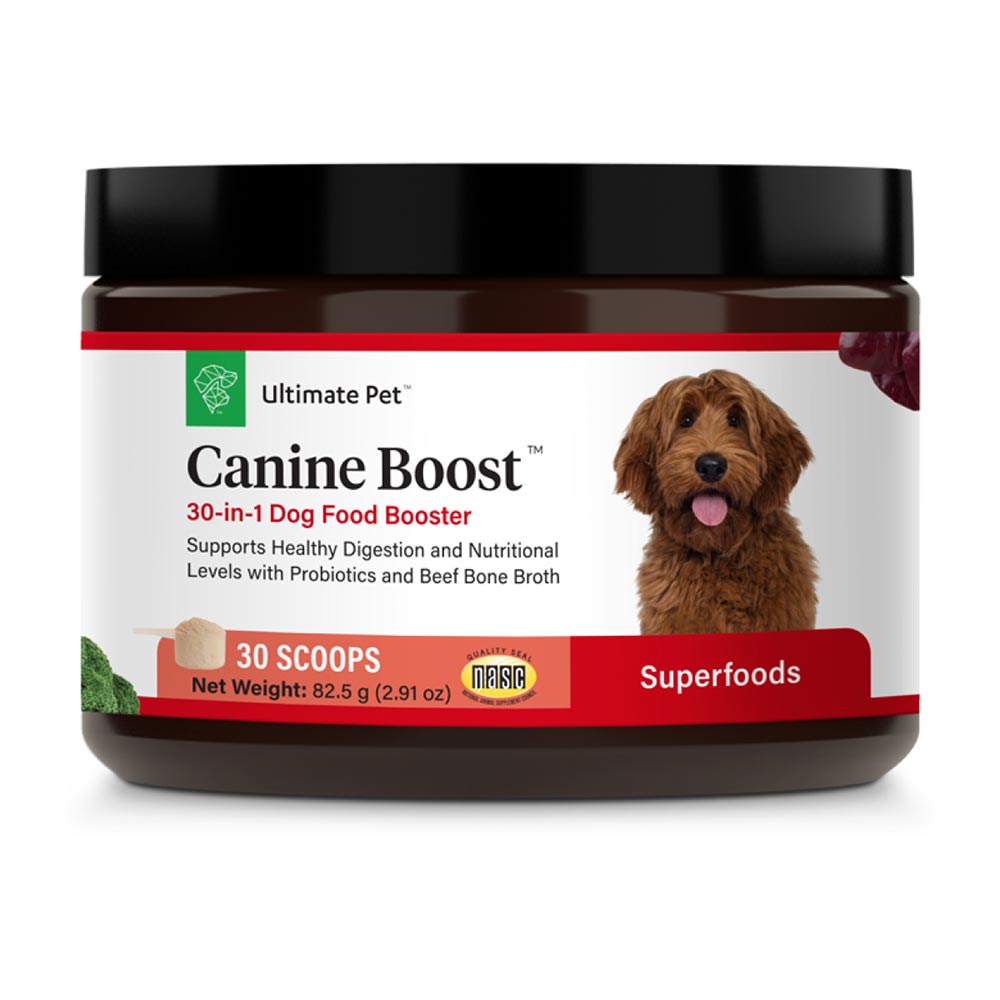
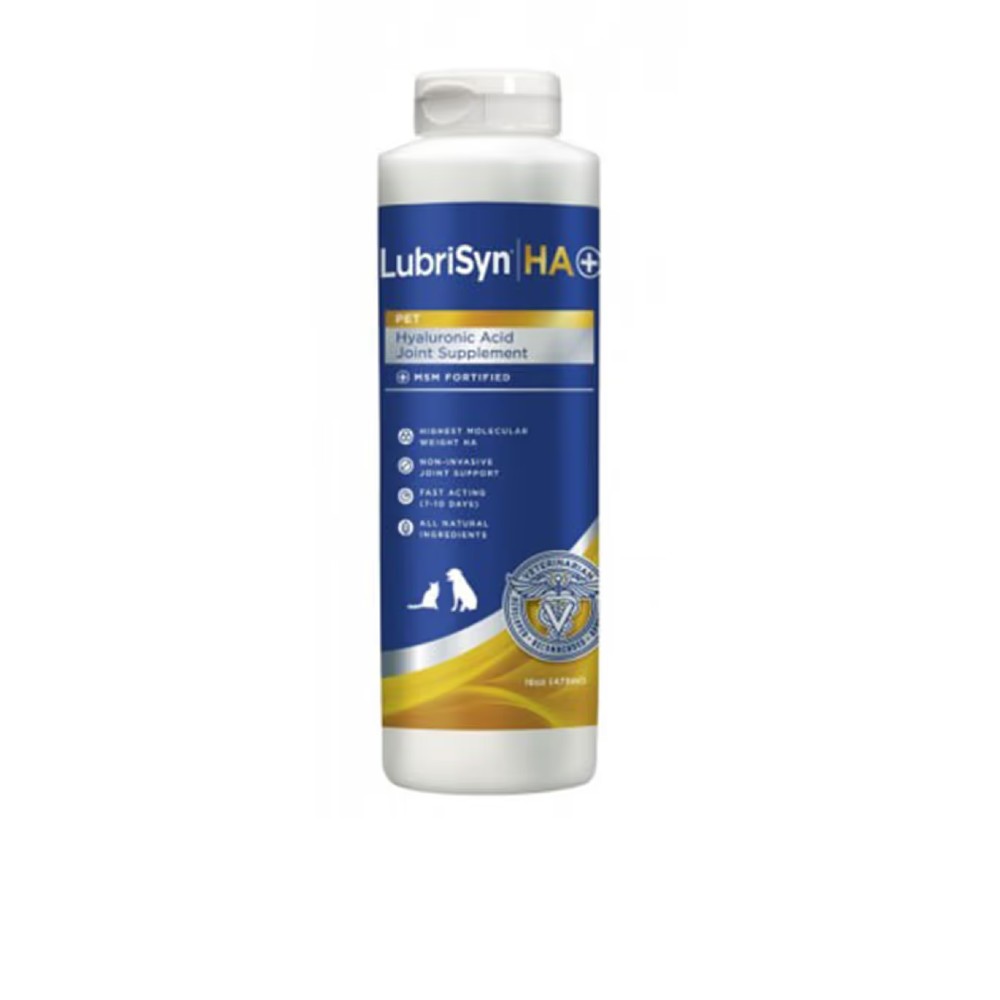
Before adding a supplement, owners can ask whether the ingredient and amount are clearly disclosed, whether it overlaps with the current food or medication, and whether the product is appropriate for the pet’s species and body weight. Fish oil, probiotics, amino acids, and other products may be useful in selected situations, but they can also cause digestive upset, add calories, or interact with medication. For immunocompromised pets or animals receiving medical care, raw or undercooked diets should be discussed with a veterinarian because of foodborne pathogen concerns.
A practical feeding routine with fewer surprises
A useful first step is to record everything the pet eats for one week: dry food, canned food, treats, dental chews, toppers, table scraps, and supplements. Then identify which item is the true complete main diet and check the label for species, life stage, adequacy statement, calories, and feeding guidance. When changing food, mix the new product in gradually and watch stool, appetite, and comfort. In multi-pet homes, separate feeding areas or measured meals can help reveal whether one animal is overeating while another is missing meals.
A practical order of priorities is:
- Choose a complete and balanced main food suited to the species and life stage.
- Adjust portions according to body condition, activity, and regular weight checks.
- Count treats, toppers, fresh foods, and table food as extra calories.
- Provide clean water and maintain bowls or fountains.
- Ask a veterinarian before changing diets for illness, persistent symptoms, or a special life stage.
Diet can provide the stable nutrients and daily conditions needed for normal immune function, but it is not a shortcut around diagnosis or medical care. For many pets, the most sensible approach is to select a suitable complete food, keep extras modest, maintain a healthy body condition, and review the plan when weight, appetite, stool, or activity changes. Supplements should be chosen because a defined need has been identified, not simply because a label suggests that more ingredients are always better. This article provides general information only; an individual pet’s diet should be reviewed with a veterinarian when health concerns are present.