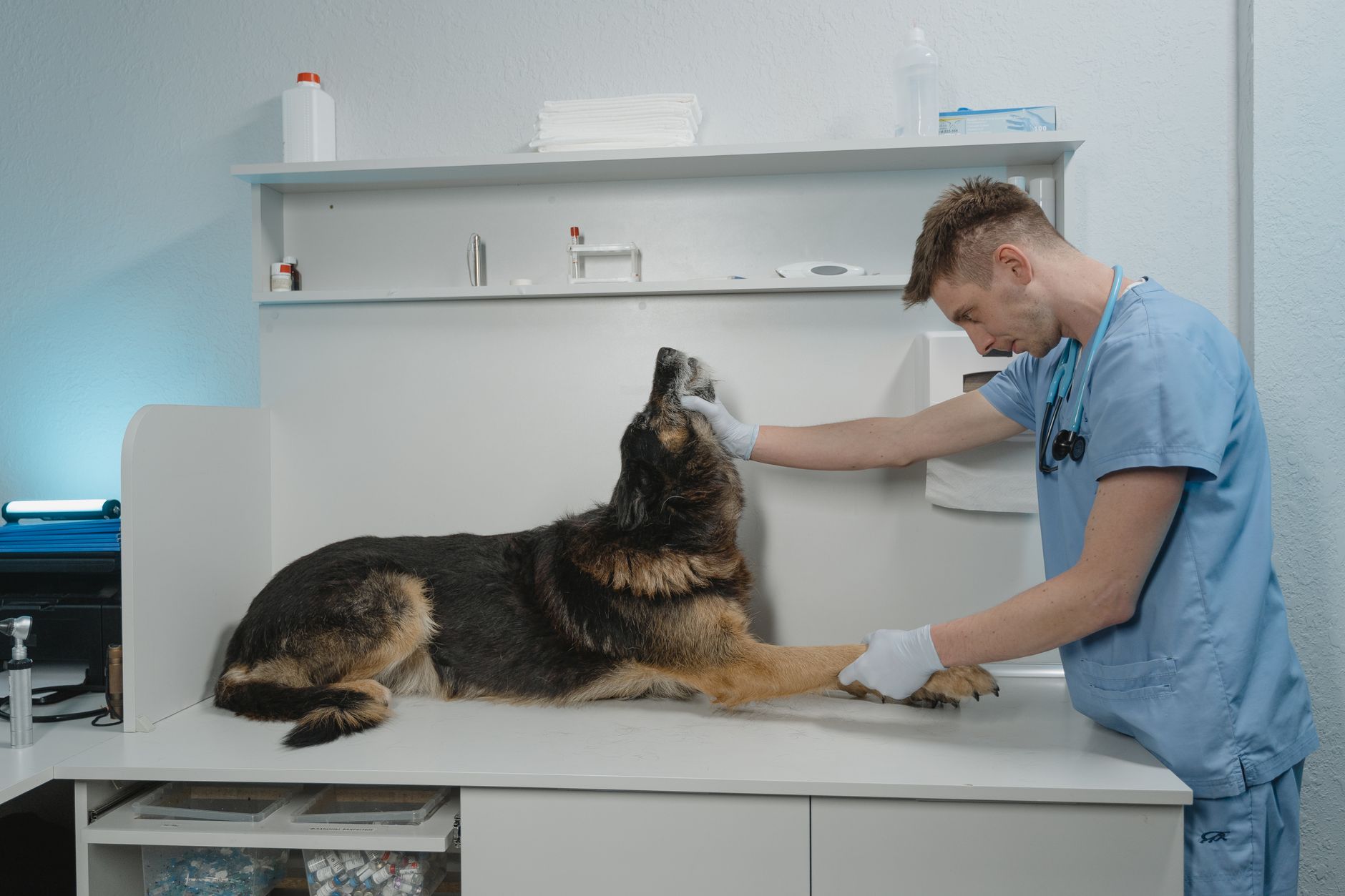
Many pet owners are unsure how often their dog or cat really needs a health checkup, especially when their animal seems perfectly fine at home. Pets eat, play and sleep as usual, so regular exams can feel optional or even like an extra burden on a busy schedule. However, veterinarians frequently remind owners that many chronic issues, such as kidney changes, heart conditions or joint problems, start quietly with almost no obvious signs. By the time clear discomfort appears, the disease process may have already been developing for a while. Understanding checkup frequency for different life stages, and pairing that with daily observation and professional advice, is a key part of responsible pet care. All suggestions here are general guidelines for education only; specific decisions should always be made with a veterinarian who knows the individual pet.
Why routine health checkups matter even when pets look “normal”
Before talking about exact timelines, it helps to clarify what a health checkup is trying to achieve. A typical visit goes beyond a quick vaccine shot and includes a full physical exam, weight and body condition scoring, and basic lab work such as blood tests, with urine tests or imaging added when needed. These evaluations allow vets to spot trends early, such as slowly rising kidney values, subtle heart murmurs or changes in body weight that owners might not notice. Some long‑standing issues like dental disease, skin irritation or ear infections are also commonly picked up during routine visits. Catching them earlier makes it easier to plan follow‑up care and maintain comfort. From an owner’s perspective, a checkup is not about promising outcomes, but about gathering information and discussing options. Research findings, clinical experience and the pet’s everyday behavior all need to be combined, so professional interpretation is essential.
Puppies and kittens: frequent visits during vaccine series, then yearly baseline exams
For puppies and kittens, the first few months of life naturally include several vet visits because of vaccines and deworming, and these appointments effectively function as frequent health checks. During this period, vets monitor body weight, growth curves, heart and lung sounds, joint stability, bite alignment and early behavior development. Once the initial vaccine series is complete, many practices recommend at least one comprehensive checkup per year for otherwise healthy young animals. That visit may pair annual shots with a physical exam and basic bloodwork, sometimes adding fecal testing or other labs depending on lifestyle risks such as outdoor access or multi‑pet households. These early records become valuable benchmarks later in life when changes appear. For new owners in particular, each puppy or kitten checkup is also a chance to ask about feeding amounts, routine schedules, socialization and training basics, which helps set up a smoother long‑term care plan.
Adult dogs and cats: once‑a‑year checkups as a common starting point
For most healthy adult dogs and cats, many veterinarians use an annual health checkup as a practical baseline. Often this is scheduled to coincide with routine vaccines or rabies boosters, so the pet comes in once for both preventive medicine and a full assessment. During an annual visit, the vet typically examines eyes, ears, mouth, heart, lungs, abdomen, skin and joints, evaluates weight and body condition, and recommends screening bloodwork. Depending on breed and lifestyle, some clinics may adjust the panel or add extra tests. Large‑breed dogs, for example, might get closer attention to joint health and weight trends, while indoor cats may focus more on dental status, kidney values and subtle behavior changes. If an owner notices significant changes between annual visits—such as obvious appetite loss, much higher water intake or decreased activity—it is usually advised to schedule an additional visit rather than wait for the next routine checkup.
Senior pets: more frequent monitoring, often every six months or as advised
Once a pet enters the senior stage, the checkup rhythm usually becomes more frequent. Many clinics recommend comprehensive exams at least every six months, and some pets with existing issues may need three‑month or even shorter intervals according to their vet’s plan. Senior health visits often include more detailed blood panels covering kidney and liver function, blood sugar and electrolytes, alongside blood pressure measurements or heart evaluations when indicated. Imaging, such as X‑rays or ultrasound, may be suggested for pets with joint discomfort, neurologic signs or organ concerns. Owners can help by tracking simple daily markers at home: how easily the pet jumps onto furniture, willingness to go up and down stairs, nighttime restlessness, or changes in social interaction. Bringing these observations to the appointment gives the vet context for deciding whether the current checkup frequency and test list are adequate or should be adjusted.
Pets with chronic conditions: follow veterinarian‑set schedules rather than fixed rules
When a dog or cat has already been diagnosed with a chronic condition—such as chronic kidney disease, heart disease, endocrine disorders or long‑term joint issues—the idea of a single “standard” checkup frequency no longer applies. Instead, the main reference is the individual monitoring plan laid out by the veterinarian. This plan often combines scheduled lab work, physical exams and occasional imaging at intervals like every three or six months, with flexibility to come in sooner if clinical signs change. Owners may be asked to weigh the pet regularly, observe urination patterns, note coughing, breathing rate or mobility, and report back any meaningful differences. Recommendations summarized in an article can only give rough direction and are not a substitute for case‑specific advice. For decisions about medication adjustments, test timing or prognosis, direct discussion with the attending vet is necessary.
What owners can monitor at home between checkups
Even the best checkup schedule is more effective when paired with consistent observation at home. Simple elements to watch include appetite and water intake, stool and urine appearance, energy levels, playfulness, sleep patterns, coat quality, skin condition, and any bad smells from ears or mouth. Gradual changes in weight, either heavier or lighter, can also be important markers. Many owners may assume such changes are just a normal part of aging or personality, but vets often view them as clues that warrant a closer look. Keeping notes or photos over time helps avoid relying solely on memory when you speak with your vet. If anything seems worrying, especially if it persists or worsens, booking a consult rather than waiting for the next routine checkup is usually wise. Health information in this article is meant for general education only; for diagnosis, treatment decisions or emergency situations, professional veterinary care is required.
When to seek prompt vet care instead of waiting for the next checkup
In addition to planned routine exams, certain warning signs call for prompt attention. Common examples include sudden loss of appetite, repeated vomiting or diarrhea, difficulty urinating, labored breathing, persistent coughing, obvious limping, collapse or major changes in awareness and responsiveness. Accidents, suspected toxin exposure, heat‑related distress or severe pain also fall into the “see a vet now” category rather than waiting. Some owners may hesitate, unsure whether symptoms are serious enough, but calling the clinic to describe what is happening can help the staff suggest whether an urgent visit is appropriate. Routine health checkups and emergency or problem‑focused visits are complementary; together they form a more complete safety net for the pet. Any timeframe and examples described in this article are broad illustrations based on common practice and should be treated as reference only, not as guarantees or personal medical advice.
Final thoughts: use guidelines as a conversation starter with your vet
In summary, many clinics use patterns such as yearly checkups for healthy adults and roughly six‑month intervals for seniors, with puppy and kitten visits initially driven by vaccine schedules and chronic‑case monitoring fully customized. Rather than searching for one fixed answer that applies to all pets, it is more practical to use these guidelines as a starting point for a conversation with your veterinarian. Owners contribute their knowledge of the pet’s daily life, vets contribute medical training and clinical experience, and together they can choose a checkup rhythm that makes sense for that animal and household. All health‑related content here is intended for general information and does not replace professional assessment. When in doubt about a pet’s condition or how often to schedule exams, seeking direct advice from a trusted veterinary professional is the most reliable path.