Seasonal changes do not automatically make every dog or cat sick, but they can alter temperature, humidity, ventilation, outdoor exposure, shedding, and daily routines at the same time. Pets may show sneezing, coughing, eye or nasal discharge, digestive upset, itching, or lower energy, yet the meaning of each sign depends on age, breed, lifestyle, and existing health conditions. The practical goal is not to create a sterile home. It is to recognize changes early, keep the environment stable, follow a veterinarian-guided preventive plan, and seek care when warning signs appear. This guide is for general information and does not replace an individual veterinary examination.
Why seasonal transitions can affect dogs and cats
Spring and autumn often bring wider day-to-night temperature swings, changing humidity, and shifts between indoor and outdoor conditions. Warmer months may mean more pollen, grass exposure, mosquitoes, fleas, and ticks, while colder periods can lead to closed windows, dry indoor air, and more time in shared spaces. These changes do not prove that weather itself causes illness, but they can expose existing vulnerabilities in puppies, kittens, senior pets, short-nosed breeds, and animals with chronic disease.
Shedding seasons can also make skin and grooming concerns more noticeable. A small amount of extra shedding may be normal, but repeated scratching, localized hair loss, redness, odor, scabs, or wounds deserve closer attention. Rather than assuming every problem is caused by the weather, owners should compare appetite, water intake, stool, urine, sleep, breathing, and activity with the pet’s normal pattern.
Respiratory signs deserve careful observation
During seasonal transitions, dogs and cats may encounter respiratory irritants or infectious exposure through other animals, boarding, grooming, daycare, or poorly ventilated spaces. An occasional sneeze is not always serious, but frequent coughing, worsening nasal discharge, reduced appetite, lethargy, or changed breathing sounds should not be dismissed as a simple weather response. Open-mouth breathing is particularly concerning in cats and should receive prompt veterinary attention.
Owners can observe breathing when a pet is calm and resting, rather than immediately after exercise, excitement, or heat exposure. Urgent signs include obvious effort, abdominal movement, extended head and neck, noisy breathing, blue or purple gums or tongue, weakness, or collapse. A short video of coughing or unusual breathing can help a veterinarian understand what happened, especially when the sign is intermittent.
Digestive changes can also appear during transition periods
Vomiting, loose stool, or diarrhea may follow a sudden diet change, extra treats, scavenging outdoors, stress, or a change in activity. Seasonal moves often lead families to change food, supplements, cleaning products, or routines at the same time, making the trigger difficult to identify. If a diet change is necessary, a gradual transition and a simple feeding record can make it easier to notice patterns. Fresh water should always be available, and food should be stored according to its label instructions.
A single mild episode in an otherwise bright, hydrated pet may be monitored closely, but repeated vomiting, severe diarrhea, blood, a swollen abdomen, marked pain, dehydration, profound lethargy, or complete refusal of food requires veterinary advice. Puppies, kittens, senior animals, and pets with kidney, heart, or gastrointestinal disease may deteriorate more quickly. Human painkillers, anti-diarrheal drugs, and leftover antibiotics should not be given unless a veterinarian specifically directs their use.
Skin, shedding, and parasite checks matter year-round
Warm or humid conditions can increase exposure to fleas, ticks, and other external parasites, especially around tall grass, brush, parks, hiking trails, and multi-pet environments. After outdoor activity, owners can check the ears, neck, armpits, between the toes, and abdomen for attached parasites, dark flea dirt, redness, scabs, or persistent scratching. Veterinary organizations commonly recommend discussing year-round parasite control with a veterinarian, because product choice and timing depend on species, region, lifestyle, age, weight, and health status.
Regular brushing with a tool suited to the coat can remove loose hair and make skin changes easier to see. Brushing should not be forceful, and it does not replace an examination for infection or allergy. Cats that repeatedly gag, retch, become constipated, lose appetite, or seem less active should not be assumed to have an ordinary hairball problem. Persistent odor, discharge, bald patches, or self-trauma also warrant professional assessment.
Adjust the home environment and daily routine
A comfortable home should be well ventilated without exposing pets to continuous direct drafts from air conditioners or fans. Beds, blankets, and resting surfaces should remain dry; after rainy walks, paws and coats should be dried, and damp towels should be washed and dried promptly. Avoid placing pets in overheated, humid, or poorly ventilated rooms simply because the weather has changed. Short-nosed breeds, young animals, seniors, and pets with heart or lung disease may be less tolerant of heat and rapid temperature shifts.
Daily exercise should change gradually rather than suddenly. Walks can be scheduled around extreme heat, cold wind, heavy rain, or poor air quality, while indoor cats can receive several shorter play sessions. A simple daily check of food, water, elimination, breathing, energy, skin, and body condition is often more useful than waiting until a symptom becomes dramatic. Familiar routines also make it easier to recognize when a pet is behaving differently.
Vaccines, parasite control, and checkups should match individual risk
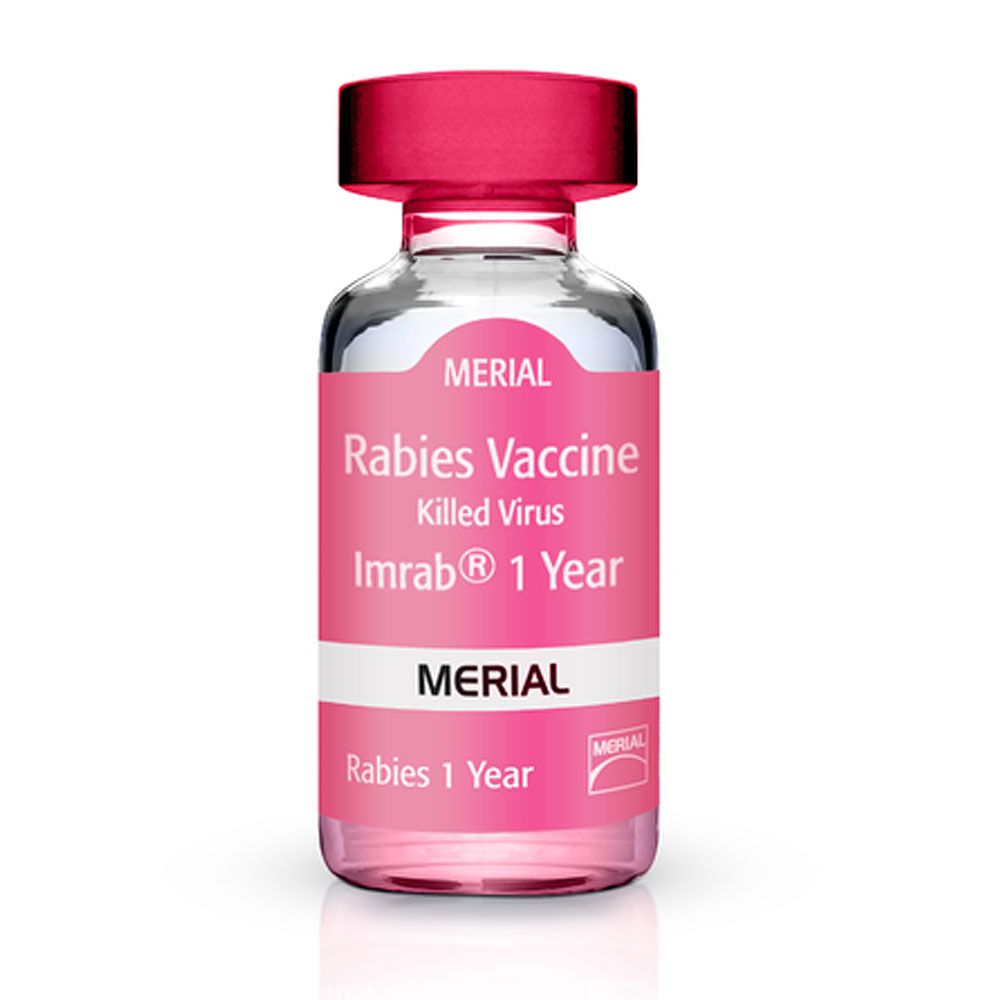
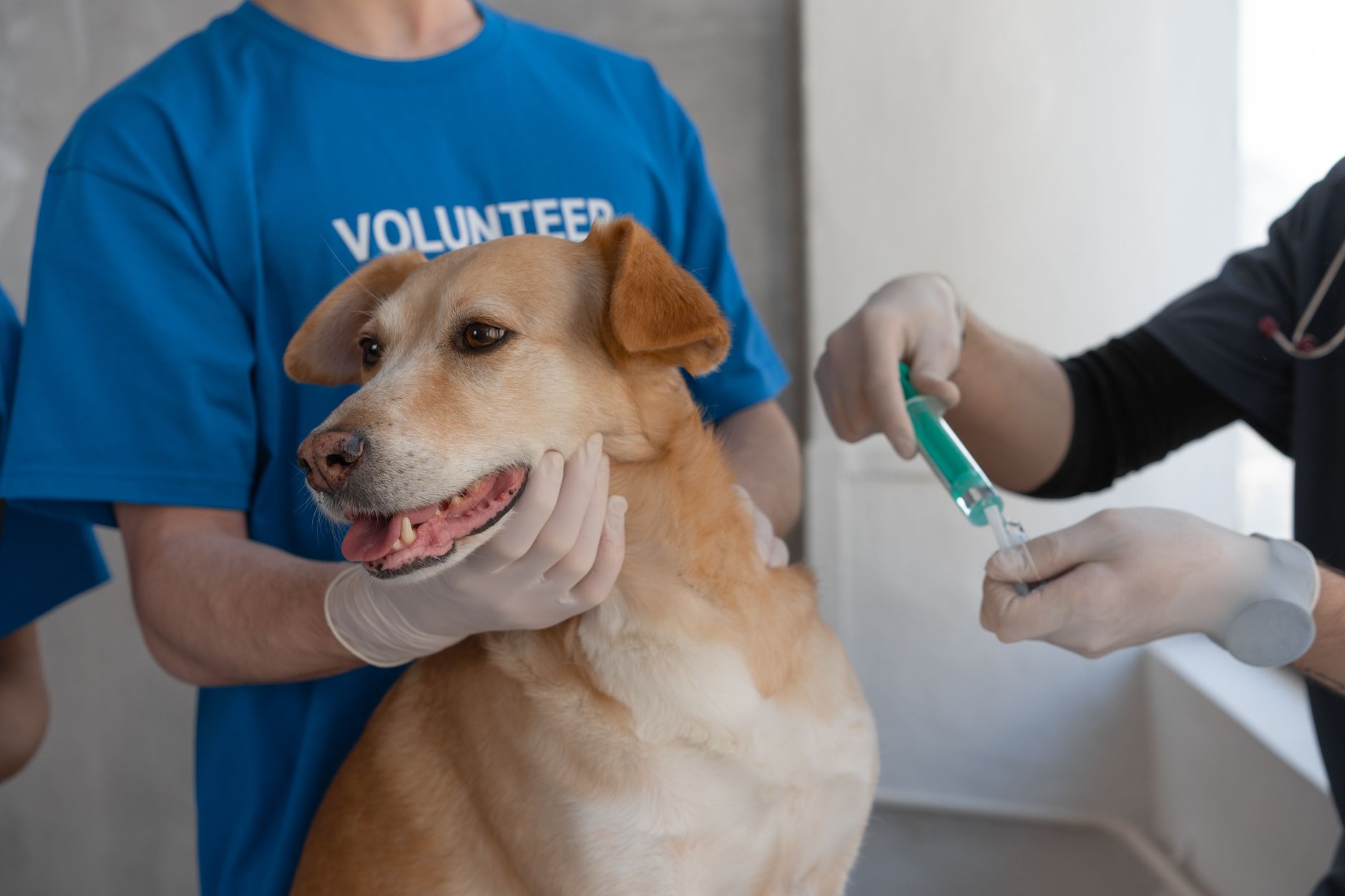
Preventive care is not a one-time task before spring or winter. Vaccination schedules, parasite control, wellness visits, and screening needs depend on age, location, travel, outdoor access, contact with other animals, and previous medical history. Indoor cats may have lower exposure to some hazards, but indoor living does not eliminate every route of exposure; people, shoes, clothing, balconies, visitors, and other pets can bring outside organisms or irritants into the home.
Before a veterinary visit, owners can prepare vaccination and parasite records, note recent travel or boarding, list new foods or medications, and record when symptoms began. When comparing parasite products, check the species, weight range, age restrictions, pregnancy or nursing considerations, and compatibility with other treatments. A veterinarian can tailor the plan, while the owner’s role is to follow the schedule and observe the pet for unexpected reactions.
When should a pet be seen urgently?
The most important seasonal-care skill is distinguishing a brief, mild change from a sign that needs prompt attention. A pet with one occasional sneeze and normal appetite, energy, and breathing may be watched with a written record. Symptoms that persist, recur, worsen, or affect more than one body system deserve veterinary advice. Seek urgent help for the following signs:
- Difficulty breathing, open-mouth breathing, marked wheezing, or blue or purple gums or tongue.
- Repeated vomiting, severe diarrhea, blood, a swollen abdomen, or suspected toxin ingestion.
- Collapse, inability to stand, seizures, severe weakness, or unusual unresponsiveness.
- Complete refusal of food or water, major changes in urination, or rapid decline in a young, senior, or chronically ill pet.
When visiting a clinic, provide the timing and frequency of symptoms, videos, food and medication details, and information about contact with other animals. These details can help the veterinarian establish a clearer starting point. Health information is for general reference only and cannot replace an examination, testing, or individualized medical advice; when a pet seems clearly unwell, contacting a veterinary clinic is the safer next step.
Seasonal transitions are a reminder to review the basics: stable routines, dry and ventilated resting areas, suitable activity, consistent preventive care, and daily observation. The goal is not to promise that a pet will never become ill. It is to notice meaningful changes early, avoid unsafe self-medication, and involve a veterinarian when the pattern or severity calls for professional assessment. Responsible care is built through small, repeatable actions rather than a single seasonal adjustment.