Feeding plans for puppies and kittens are one of the very first responsibilities new owners take on. The choice of what to feed, how much, and when to change foods will influence growth rate, stool quality and overall condition. With shelves full of different recipes and marketing claims, it is easy to feel overwhelmed and make impulsive changes. This article draws on common recommendations seen in small animal practice to outline age‑appropriate feeding guidelines and safe transition timelines, using a question‑and‑answer structure to address when to switch, how fast to go, what reactions to watch, and when professional help is needed. All information is for reference only and should be discussed with a veterinarian for individual pets.
Why do puppies and kittens need special feeding plans?
Young dogs and cats grow quickly, building bone, muscle and organ function over a relatively short period. At the same time their digestive and immune systems are still maturing, which makes them more sensitive to abrupt dietary changes. They need energy‑dense food that provides balanced protein, fat, vitamins and minerals, but they also benefit from consistency in type and timing. Many vets emphasize that growth nutrition is not simply about offering large amounts of food; it is about appropriate portions and steady routines to avoid excessive weight gain or skewed nutrient ratios. When owners treat feeding and food changes as part of a planned care schedule rather than spontaneous decisions, puppies and kittens are less likely to face avoidable digestive stress.
Age‑based basics: meals and water for young animals
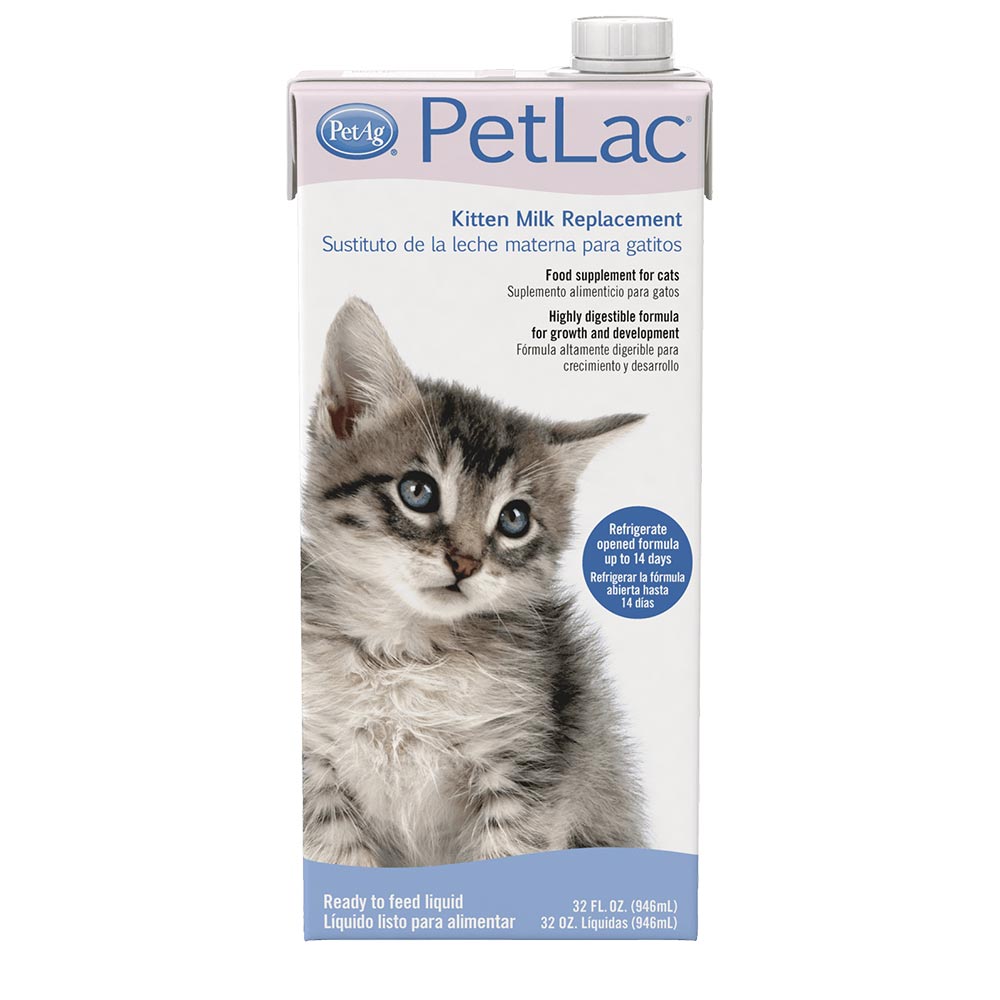
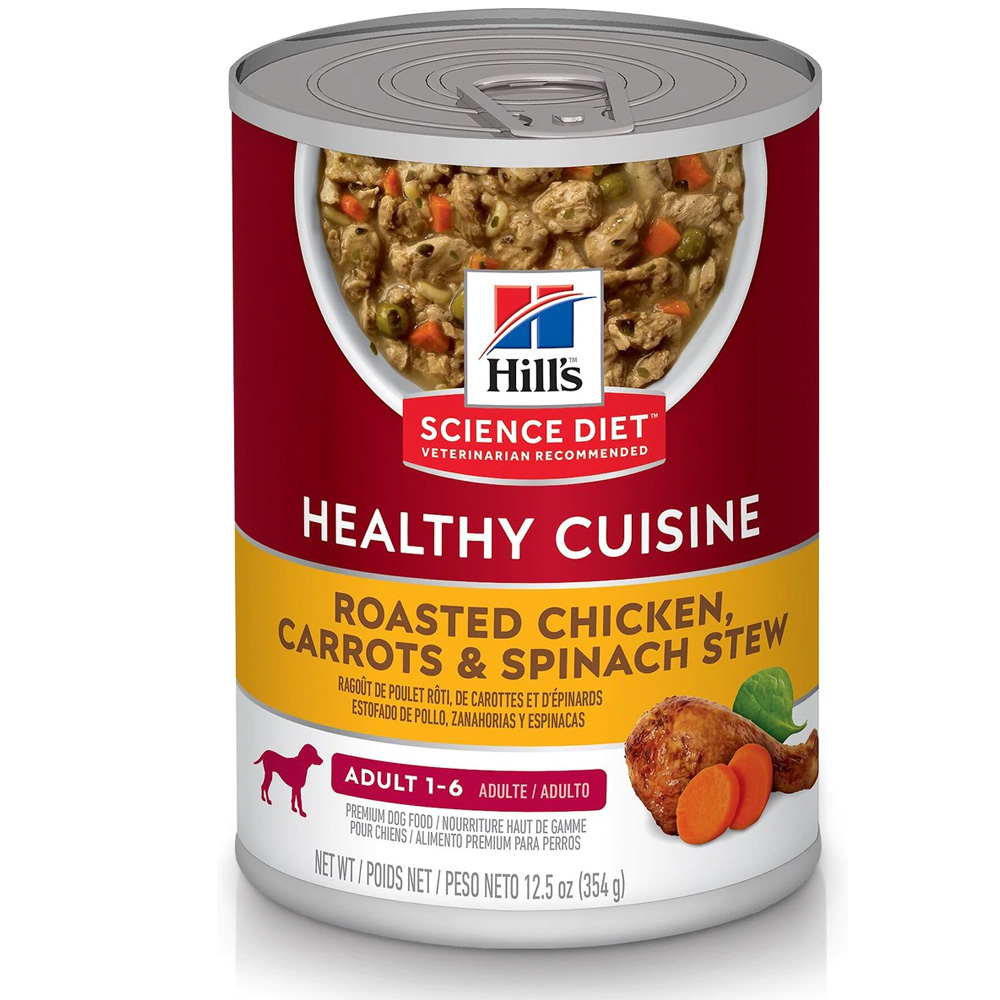
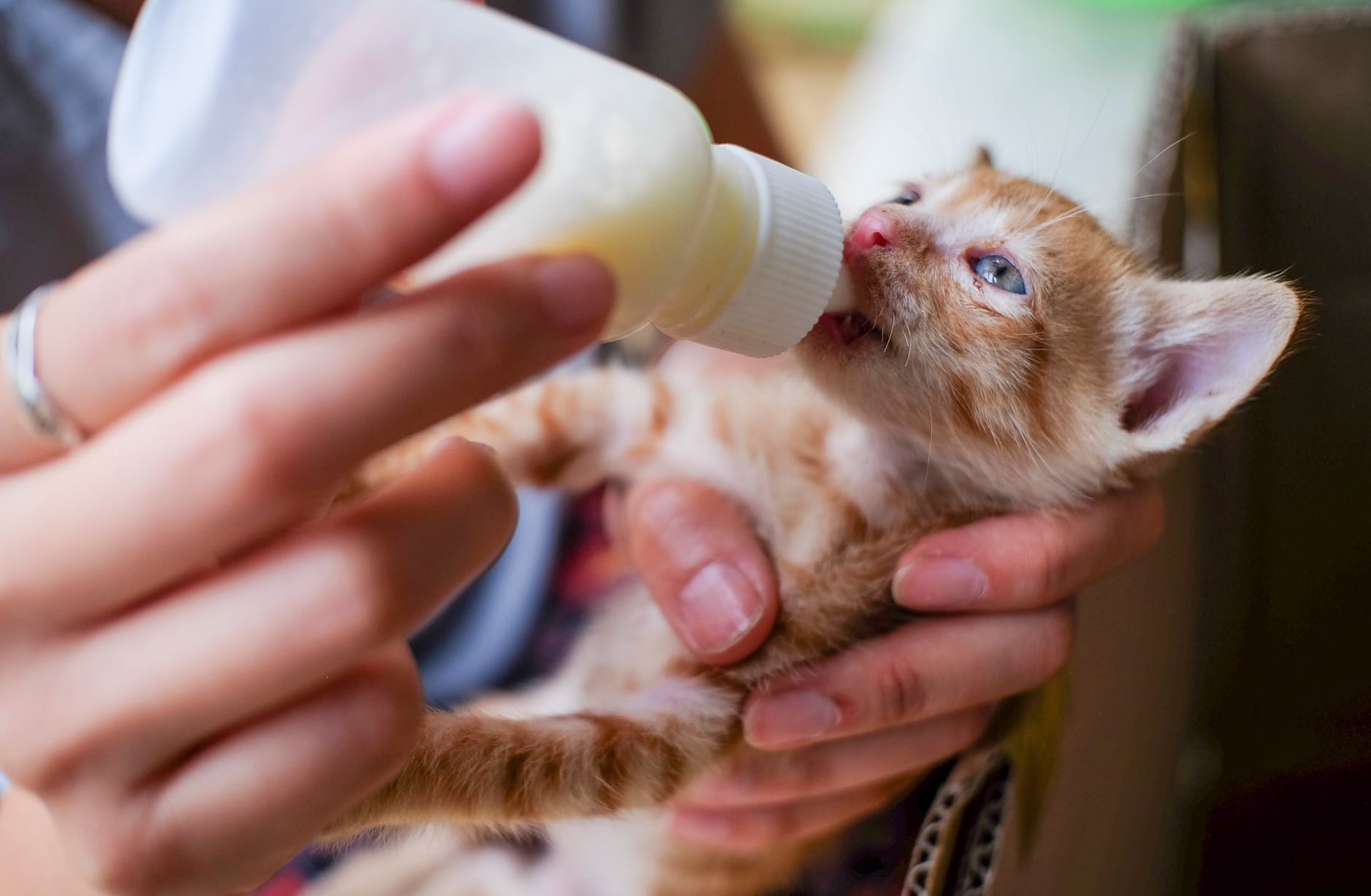
Before thinking about changing foods, it is important to confirm that current feeding suits the animal’s age and lifestyle. Puppies usually move onto solid puppy food around 6–8 weeks of age, often softened with warm water or puppy milk replacer at first, while most kittens complete their transition to solid kitten food at roughly 7–8 weeks. Package guidelines for daily amounts are only a starting point; vets often adjust based on breed, expected adult size and body condition, and recommend splitting the total into three or four meals per day. For households with busy schedules, two main meals with one smaller meal can be more realistic than free feeding. Clean, fresh water should be available at all times, regardless of whether the diet is dry, wet or mixed. Observing stool consistency, frequency, energy level and weight changes helps owners judge whether the current plan is appropriate.
When should owners consider switching foods?
A common question in clinic is, “I found a new brand that looks great; can I switch right away?” Vets usually suggest that switches be driven by clear reasons rather than curiosity alone. One reason is poor tolerance of the current food, such as ongoing abnormal stools, obvious refusal to eat, or ingredient profiles that do not match growth needs when reviewed with a professional. Another reason is a change in life stage, for example moving from a puppy or kitten recipe to an adult maintenance formula once growth has largely stabilized. Financial constraints or availability issues can also force a switch, but even then a planned transition can soften the impact on the digestive tract. Unless a vet advises a rapid change for medical reasons, most situations allow for a gradual transition where the previous food is phased out over time instead of removed overnight.
A practical 7–10 day schedule for gradual food transition
In everyday practice, many clinics recommend a transition lasting around 7–10 days, with the proportion of new food slowly increased. A typical outline is to start days 1–3 with about 25% new food and 75% old, move to roughly a half‑and‑half mix on days 4–6, and then shift to around 75% new food on days 7–9. If the puppy or kitten continues to eat and behave normally, owners can usually feed 100% new food after about day 10. Exact percentages do not need to be precise, but each step should last long enough to observe reactions. If serious loss of appetite, repeated vomiting, watery diarrhea or marked lethargy appear at any point, owners are encouraged to pause the increase and contact a vet promptly. For animals with known sensitive digestion or past issues, some vets advise stretching the schedule to two weeks or more with smaller increments to further reduce stress.
Normal adjustment versus warning signs during transition
During a food change, stool and behavior patterns are key sources of information. Some puppies and kittens may show mild, short‑term changes such as slightly softer stools or a small shift in stool color when the new food proportion goes up. As long as energy levels, hydration and overall comfort remain typical, many vets view these minor differences as part of adjustment. More severe signs deserve caution. Repeated vomiting, watery or bloody diarrhea, visible abdominal pain, refusal to eat, or rapid changes in activity level signal that the situation should not be dismissed as routine transition. Case notes from clinics often mention that additional stressors, such as moving home, big changes in daily routine or introducing several new products at once, can intensify reactions. Keeping other variables stable while changing food is an important way to reduce risk.
Monitoring growth and body condition alongside diet changes
Safe food transition is only one part of responsible care; long‑term monitoring of growth is equally important. Puppies and kittens may gain weight quickly during their first months, so regular checks of body condition can help prevent problems later. Many veterinary teams use body condition scoring charts, teaching owners to feel ribs, look for a waistline and observe overall shape. If a young animal appears noticeably heavier or thinner than expected for its age and breed, feeding amounts and food types may need reassessment. Routine visits for vaccinations, deworming or wellness checks provide opportunities to review growth curves and discuss whether to adjust meal frequency or choose a different formula. Bringing information about current brand, exact amounts and treats used to appointments allows vets to give more tailored guidance.
FAQs: everyday questions about changing puppy and kitten food
Owners frequently come to clinics or online consultations with recurring questions. One is, “Can I feed more than one brand at the same time?” In many households, mixing small amounts of two compatible recipes is possible, but introducing several very different diets all at once makes it harder to link any reaction to a specific product. Another question is, “What if I accidentally fed a large amount of the new food in one go?” In that case, the usual advice is to return temporarily to a higher proportion of the previous food, watch stools and energy closely, and seek veterinary input if concerning signs appear. A third question relates to trends: “Do I need to follow every popular formula I see online?” It is useful to separate personal stories from professional guidance; any diet plan for puppies or kittens should be checked against growth requirements and reviewed with a vet before adoption. All tips in this article are general in nature and intended for information only, not a substitute for examination or diagnosis.
Final thoughts: treating food changes as part of a care plan
Switching food for puppies and kittens is best handled as a planned process rather than a series of impulsive experiments. When owners map out a timeline, keep records of amounts and reactions, and regularly share those records with their veterinary team, it becomes easier to spot patterns and intervene early. Avoiding major lifestyle disruptions around the same time as a diet change, such as long trips or sudden shifts in daily schedule, can also make transitions smoother for young animals. In a digital environment filled with marketing and social media posts, a cautious mindset that values professional input helps protect both pets and owners. Any decisions about diet, transition speed or handling of abnormal signs should ultimately be made with guidance from a qualified veterinarian, and all information here is offered as general reference rather than medical advice.