Taurine is not just an optional ingredient added to some cat supplements. It is a nutrient cats need to obtain regularly from their diet because their bodies have a limited ability to make enough of it on their own. This is one of the important nutritional differences between cats and dogs, and it is why a food designed for another species may not meet a cat’s needs. The practical question for most households is not whether to buy a taurine powder, but whether the cat’s main diet is complete, balanced, and appropriate for its life stage. This guide explains taurine’s role, the risks associated with inadequate intake, and the label details worth checking before buying dry food, canned food, or fresh diets.
What taurine is and why cats need dietary sources
Taurine is an amino-acid-related nutrient involved in bile acid conjugation and the normal function of tissues such as the heart, retina, and nervous system. Cats cannot efficiently produce enough taurine from other nutrients, so dietary taurine is considered essential for them. Animal tissues are natural sources, while plant ingredients generally do not provide enough taurine to meet feline requirements. That does not mean every meal must contain visible organ meat or a separate supplement. It means the complete recipe must be formulated to deliver the nutrients a cat needs after ingredient selection, processing, storage, and feeding. For everyday feeding, the most reliable approach is to choose a cat food labeled as complete and balanced rather than judging nutrition from one ingredient on the package.
How taurine relates to vision and heart health
Long-term taurine deficiency can affect the feline retina and heart muscle. Veterinary nutrition references associate inadequate taurine intake with feline central retinal degeneration and dilated cardiomyopathy. These problems may develop gradually rather than immediately after a few low-taurine meals, and early visual changes can be difficult to notice because cats often navigate familiar rooms normally. A cat that appears to see well around the house may still need a proper diet and veterinary assessment if other warning signs arise. Changes such as unusual weakness, breathing difficulty, reduced response to visual cues, or persistent appetite changes should not automatically be blamed on taurine deficiency; they require a veterinary examination to identify the actual cause.
Feeding situations that deserve extra attention
Taurine deficiency is generally uncommon in healthy cats eating a commercial food that is properly formulated as complete and balanced. Greater concern arises when a cat is fed dog food as its regular diet, receives homemade food without a professionally designed recipe, eats mostly human food or treats, or relies on products with unclear nutritional status. Meat content alone does not prove that a diet is complete. Taurine levels can vary between muscle meat, heart, and other tissues, while cooking, processing, storage, and ingredient ratios can affect the final amount available in the food. Kittens, pregnant or nursing cats, senior cats, and cats with chronic disease may need more individualized feeding plans, so their diets should be reviewed with a veterinarian.
- Do not use dog food as a cat’s long-term staple diet.
- A homemade recipe should be designed by a veterinarian or qualified veterinary nutrition professional.
- Treats, toppers, and complementary foods should not automatically replace a complete main diet.
How to read cat food labels
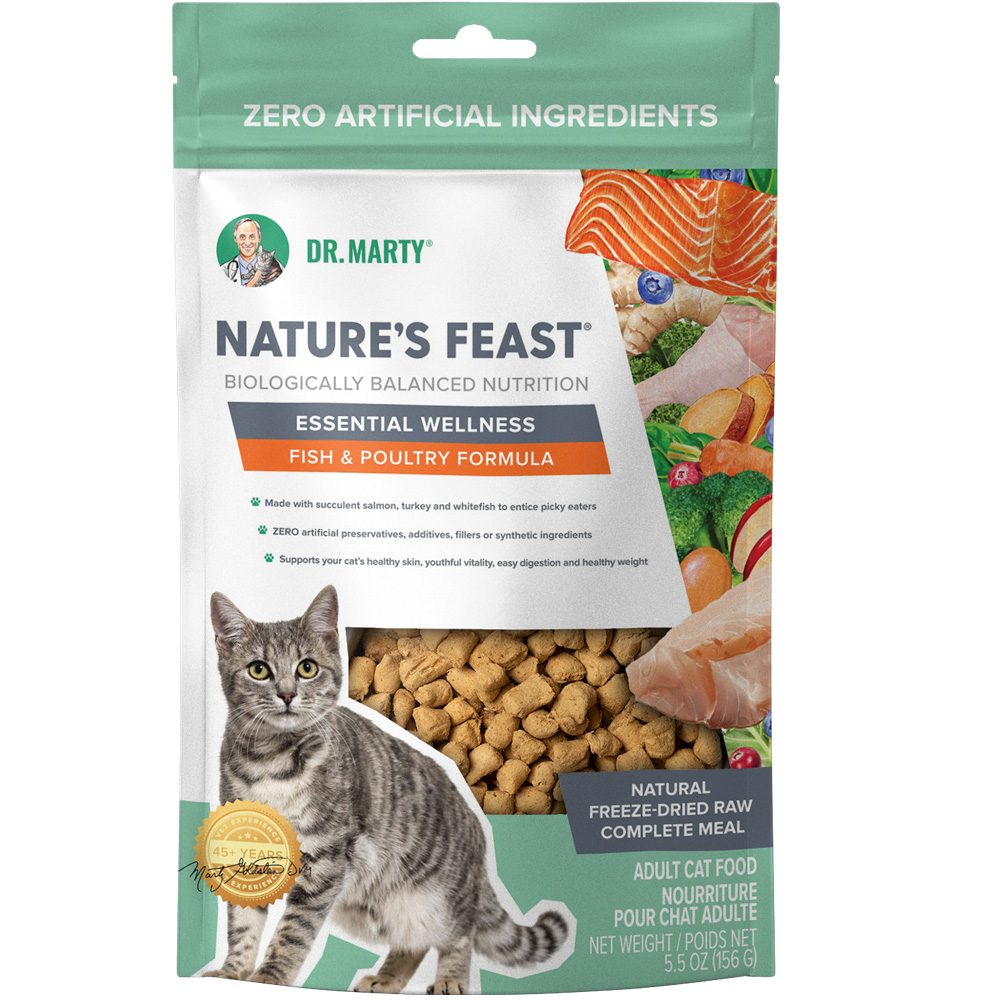
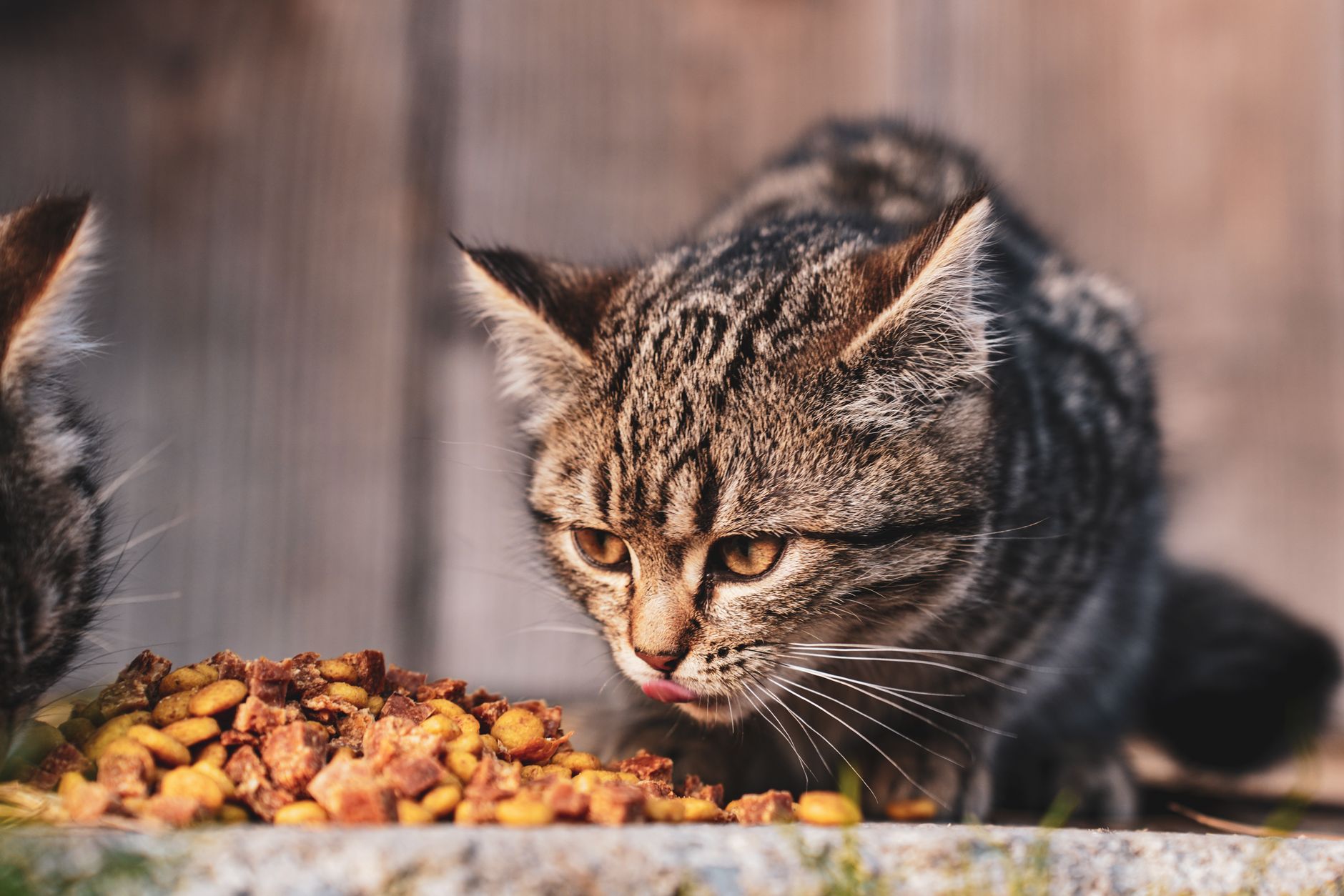
When choosing dry food, canned food, pouches, or fresh diets, first confirm that the product is intended for cats and carries a clear complete-and-balanced nutritional statement. Taurine may appear as “taurine” in the ingredient list, and synthetic taurine is commonly used in commercial formulations to help ensure the finished food meets nutritional needs. Its presence does not by itself indicate that a food is poor quality. Dry foods and wet foods also contain different amounts of water, so percentages cannot always be compared directly without considering the basis used on the label. A product described as a treat, topper, or complementary food should not be treated as a complete daily diet. When a budget is limited, a clearly labeled food that the cat eats consistently and that the household can store and serve correctly is usually a more practical priority than purchasing a separate supplement.
More taurine is not automatically better
Taurine powders, capsules, and combination supplements are widely available, but a healthy cat eating a complete and balanced main diet often does not need an extra dose chosen by the owner. Adding one nutrient can distract from other issues, such as inadequate calories, an unbalanced mineral profile, or missing vitamins in a homemade recipe. Human supplements should not be given casually because they may contain additional ingredients, sweeteners, or doses that are not appropriate for cats. If a cat eats a prescription diet, has heart or kidney disease, or is suspected of having a nutritional deficiency, the owner should show the veterinarian the full diet, product packaging, and feeding amounts before adding anything. Professional assessment is especially important when the cat is young, pregnant, nursing, elderly, or medically fragile.
A practical household checklist
Taurine can be included in the same routine used when reviewing any diet change. First, check whether the product is a complete main food rather than a treat or complementary item. Next, confirm the life-stage statement and record how much the cat actually eats each day. In a multi-cat home, separate feeding areas or a microchip-enabled feeder can make it easier to see whether one cat is missing meals. For homemade diets, keep the recipe, ingredient weights, cooking method, supplement brand, and serving size together so a veterinarian can review the complete picture if concerns arise.
Weight, appetite, activity, stool quality, and drinking habits also provide useful context, but they cannot confirm adequate taurine intake by themselves. Taurine is only one part of feline nutrition; cats also need appropriate calories, protein, minerals, water, and a diet suited to their medical status. Breathing difficulty, sudden weakness, loss of coordination, or unusual visual responses warrant prompt veterinary attention. This article provides general pet nutrition information and does not replace an individual diagnosis or feeding plan from a veterinarian.