Why some cats avoid water
Cats are often selective about drinking because they react strongly to smell, texture, and the feel of their environment. What looks like simple pickiness can actually be a response to stale water, an awkward bowl, or a drinking spot that feels too busy or too close to the litter box. For many households, the issue is not that the cat refuses water entirely, but that the setup does not make drinking easy or appealing.
Start with the bowl and the location
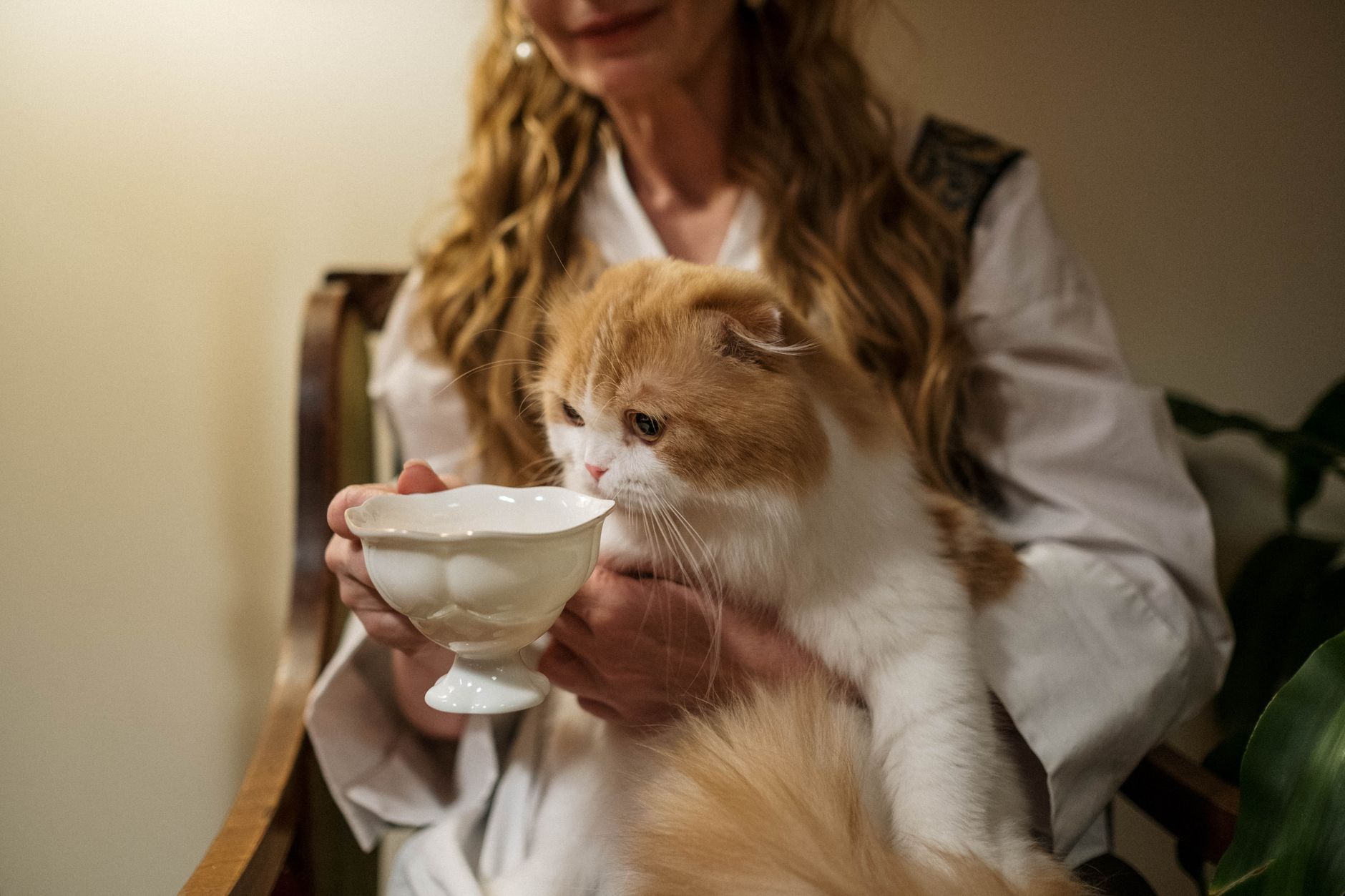
The most practical first step is to make water easy to approach and pleasant to use. Fresh water, a clean bowl, and a quiet location matter more than many owners expect, especially for cats that dislike strong odors or crowded spaces. Many cats also do better with ceramic, glass, or stainless-steel bowls that are wide and shallow, since the whiskers do not brush the sides as much.
- Change the water daily
- Wash the bowl regularly
- Keep it away from the litter box
- Place several water spots around the home
Put more moisture into meals
If a cat rarely drinks on its own, one of the most practical strategies is to increase moisture through food. Wet food, canned food, or gradually adding water to meals can raise daily fluid intake without relying on the cat to visit the bowl more often. When switching from dry food to wet food, a gradual transition is usually easier, because sudden changes in aroma or texture can make some cats turn away from the meal.
Fountains, moving water, and temperature
Some cats are drawn to moving water because motion naturally catches their attention. That is why a pet fountain can work well in some homes, while others may see better results simply by offering multiple bowls in different places. Water temperature can also matter: some cats prefer room-temperature water, while others are more interested in slightly warm or cooler water depending on the season and their routine.
When drinking less becomes a concern
If low water intake comes with poor appetite, lethargy, vomiting, or changes in urination, it should not be treated as a simple habit issue. Older cats, cats eating mostly dry food, and cats with a history of urinary or kidney problems need closer attention because hydration matters more in these situations. In those cases, a veterinary check is the safest next step rather than waiting for the problem to sort itself out.
Build a routine the cat can accept
The best long-term approach is usually a routine the cat can predict. Owners often get better results by making small, consistent changes—fresh water every day, a cleaner bowl, a better location, and more moisture in meals—rather than changing everything at once. A calm, clean, and stable setup gives the cat more chances to drink naturally, which is often more effective than trying one dramatic trick.