Separation anxiety is not simply clinginess or deliberate misbehavior. A dog may become distressed when a caregiver leaves, prepares to leave, or reaches for keys and a coat, with signs such as barking, whining, pacing, scratching doors, destroying items, house-soiling, or extreme excitement at reunion. The goal is not to leave the dog alone for a long period immediately, but to build predictable, successful experiences in small steps. If the dog pants intensely, injures itself, refuses food, or causes serious destruction, a veterinarian should first rule out physical problems and assess whether professional behavior support is needed. This guide is general information and does not replace individualized veterinary care.
Distinguish anxiety from ordinary boredom
A dog that chews a toy, naps, or barks once or twice while alone does not automatically have separation anxiety. More concerning signs include distress that begins soon after departure, a strong reaction to departure cues, and an inability to settle even when familiar food or toys are available. A home camera can help caregivers observe the first ten minutes after leaving and record when pacing, panting, barking, or door scratching begins. If distress starts when shoes, keys, or a bag appear, training should begin with those cues rather than with a long absence. A clear video and written timeline can also give the veterinarian useful context.
Destructive behavior should not be treated as revenge. Scolding after returning may make the homecoming more stressful and can strengthen the association between being alone and later conflict. If the dog is simply under-stimulated, age-appropriate walks, sniffing, play, and training may be part of the daily plan; however, activity alone does not teach a distressed dog to feel comfortable alone. The response pattern, timing, and intensity matter more than the label caregivers choose.
Create a predictable pre-departure routine
A consistent routine helps the dog predict what comes next. A practical sequence may include a bathroom break, a suitable walk or sniffing session, water, a short period of calm at home, and time on a familiar mat, bed, or safe area. Goodbyes should be brief and neutral rather than emotional or repetitive. The aim is to make leaving an ordinary event, not a dramatic moment that signals danger. Caregivers should also avoid introducing a difficult training step when the dog is already overstimulated or exhausted.
Departure cues can be practiced separately. Pick up the keys and sit down, put on a coat without leaving, or walk to the door and return to the room. Continue only while the dog remains relaxed; following closely, panting, vocalizing, or refusing food means the step is too difficult. Small, easy-to-divide treats can support this work. 【優格】#17 快吃肉乾-蜜雞凍未條 100克(選擇自由)(狗零食) is described as a 【優格】#17 快吃肉乾-蜜雞凍未條 100克(選擇自由)(狗零食) using slowly roasted chicken, with a soft, chewy texture suited to training or social settings. Use it in small portions and account for treats within the dog’s overall daily diet; follow the package for date information.
Begin with seconds, not minutes
Alone-time practice should start below the point where the dog becomes distressed. For some dogs, the first step may be moving across the room or briefly going out of sight; for others, it may be closing an interior door for one second. Return before the dog shows clear anxiety so repeated practice teaches a simple pattern: the caregiver leaves and comes back while the dog remains safe. After each repetition, wait for the dog to settle before trying again. A single successful attempt is not a reason to make the next absence dramatically longer.
Progress can move from staying on a mat, to the caregiver taking a few steps away, leaving the room, touching the doorknob, opening the door, and stepping outside briefly. The increases do not need to be perfectly linear; alternating short and slightly longer repetitions can prevent the session from becoming predictable in a stressful way. If barking, pacing, scratching, or refusal of food appears, reduce the next step. The process may take weeks or longer, and the dog’s emotional response should determine the pace rather than the caregiver’s schedule.
What to do during departure and reunion
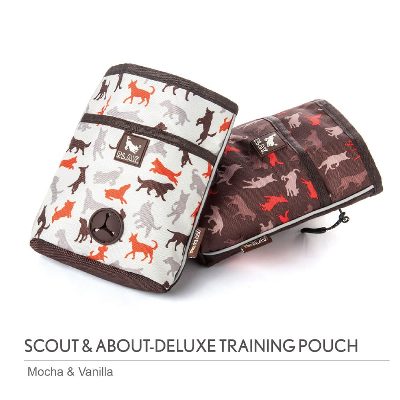
A familiar food toy or safe independent activity may be placed in the dog’s rest area, but only after the dog has used it safely while supervised. Some anxious dogs will not eat when alone, so refusal is useful information rather than a reason to keep adding food. Avoid leaving items that can break apart, be swallowed, or create a choking risk. For organizing treats during practice, 【P.L.A.Y.】露營野趣-多功能寵物訓練袋 can be used as a portable training pouch. Its listed dimensions are 17 x 15 x 5.6 cm, with 600-denier PE water-resistant fabric, three storage sections, a detachable adjustable strap, washable outer and inner surfaces, and a 3M reflective strip. Cleaning and use should follow the product information.
Reunions should be calm but not emotionally cold. A brief greeting, putting down belongings, and waiting for the dog’s body and voice to settle can prevent the return from becoming the most exciting event of the day. Once the dog is calmer, normal contact, play, or a walk can resume. If the dog is highly aroused, avoid punishment, restraint battles, or excited speech. Consistent arrivals and departures help make both events more predictable.
How to assess supportive products
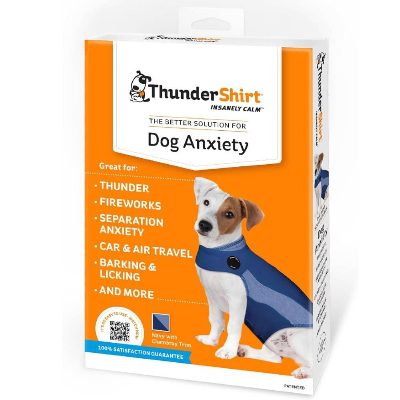
Product selection should begin with the training problem, not with a promise that one item will solve anxiety. Consider whether the caregiver needs a pouch for frequent rewards, a secure rest area, a wearable item the dog accepts, or an environmental product that can be used according to its label. ThunderShirt Dog Anxiety Solution - Blue Polo (SMALL) is listed for small dogs weighing 15–25 lb with a chest measurement of 17–21 inches, and its listed fabric is washable. Fit and tolerance should be checked while the dog is supervised; clothing must not restrict breathing, movement, or drinking.
Scent products also require careful application. ThunderEase Calming Spray for Dogs (60 mL) is listed for use on bedding, crates, or cars rather than directly on the dog, with the label directing caregivers to allow time before use. Relaximal Natural Calming Spray (200 mL) is listed for light application to a pet’s environment such as bedding, a carrier, or a car before a stressful event, and it should not be sprayed directly on the pet. These products are optional environmental tools, not substitutes for gradual training. If distress is severe, veterinary guidance should come before relying on any accessory or spray.
Common myths and when to seek help
“Exercise the dog until it cannot worry” is an incomplete strategy. Appropriate activity can support a healthy routine, but separation anxiety is shaped by the dog’s response to departure cues and absence, not simply by unused energy. Another common mistake is allowing the dog to bark until it stops. Repeated exposure to overwhelming distress may make doors, rooms, or departure actions more threatening. A better approach is to lower the difficulty until the dog can remain settled and then build gradually.
Veterinary help is appropriate when the dog shows intense panting, drooling, self-injury, repeated escape attempts, prolonged vocalization, complete food refusal, or a sudden change in behavior. Moderate or severe cases may need a behavior plan alongside veterinary assessment, and any medication decision belongs to a qualified veterinarian. Bring camera footage, a departure timeline, notes about damaged items or accidents, and details of previous training attempts. Until the dog can tolerate longer absences, caregivers should reduce unavoidable alone time through trusted care, schedule changes, or other safe arrangements.
A sustainable goal for alone time
The goal is not immediate tolerance of a full workday. It is a growing history of calm, manageable absences. Caregivers can record departure cues, standardize the pre-departure and reunion routines, begin with seconds, and adjust the next repetition based on the dog’s body language. A setback is not failure; it is information that the previous step was too difficult or that the dog was not ready that day.
Choose treats, pouches, wearable products, or environmental sprays based on safety, fit, cleaning needs, label directions, and how naturally they support the plan. No product should replace observation, gradual practice, or veterinary care when distress is intense. Patient, measurable training protects the dog’s welfare and gives caregivers a practical way to take responsibility for the problem over time.
The information in this article is for reference only and does not constitute professional advice. For specific decisions, please consult a relevant professional based on your personal situation.