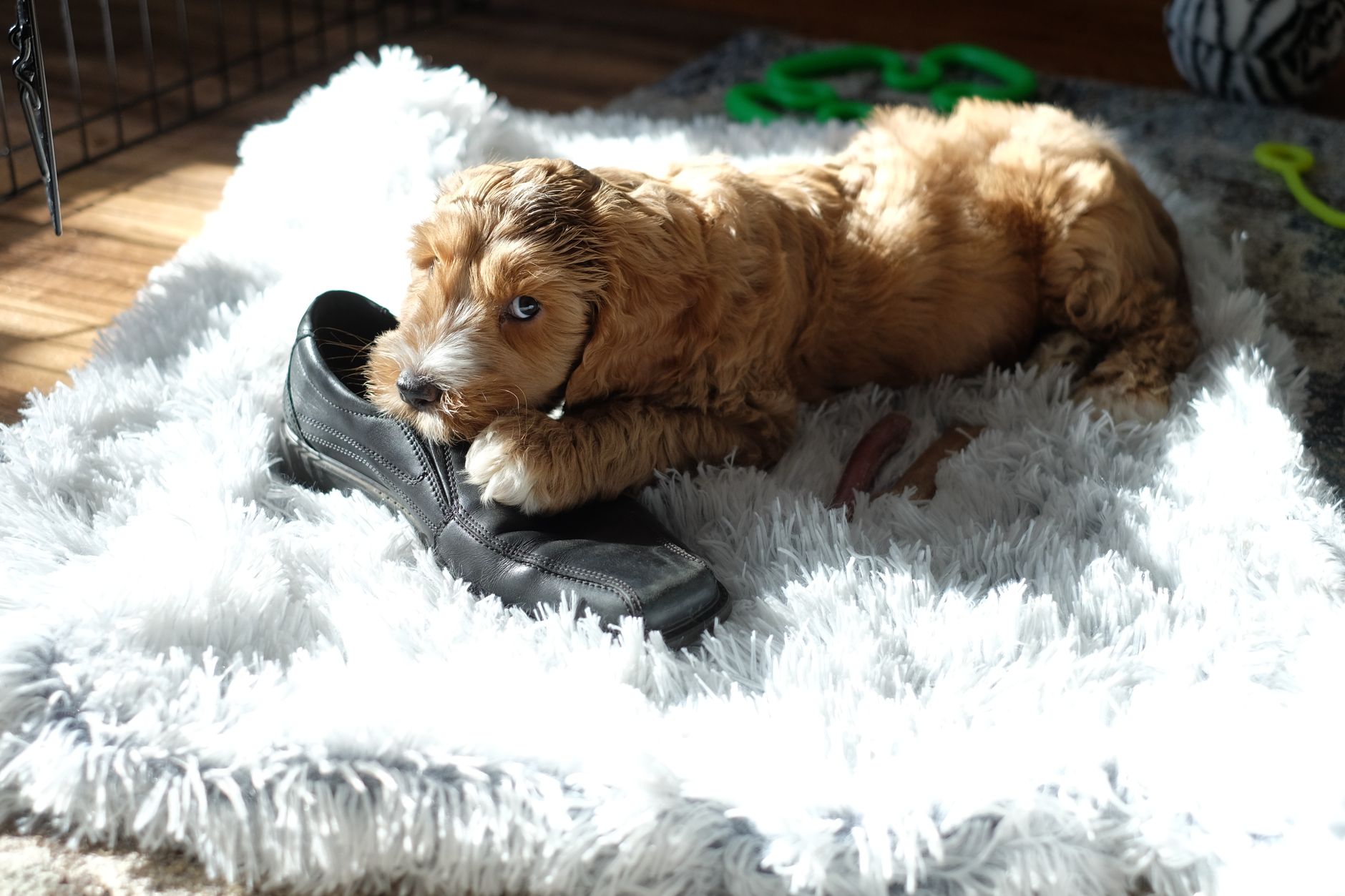
Destructive behavior in dogs often looks like stubbornness, but it is usually a sign of unmet needs, stress, boredom, or a lack of clear routine. A dog that chews shoes, tears up cushions, or scratches doors is not necessarily being “bad”; in many homes, the behavior is the result of too much freedom too soon and too little guidance. The most effective correction plan focuses on preventing rehearsal, teaching alternatives, and making the right choice easier to repeat.
Start by identifying the trigger
The first step is to notice when the behavior happens and what comes before it. Some dogs chew only when left alone, which can point to separation anxiety, while others get destructive after long periods without exercise or mental work. Puppies may also chew more during teething, and a sudden change in behavior can sometimes signal discomfort or a health issue that needs a vet visit.
Manage the environment before training
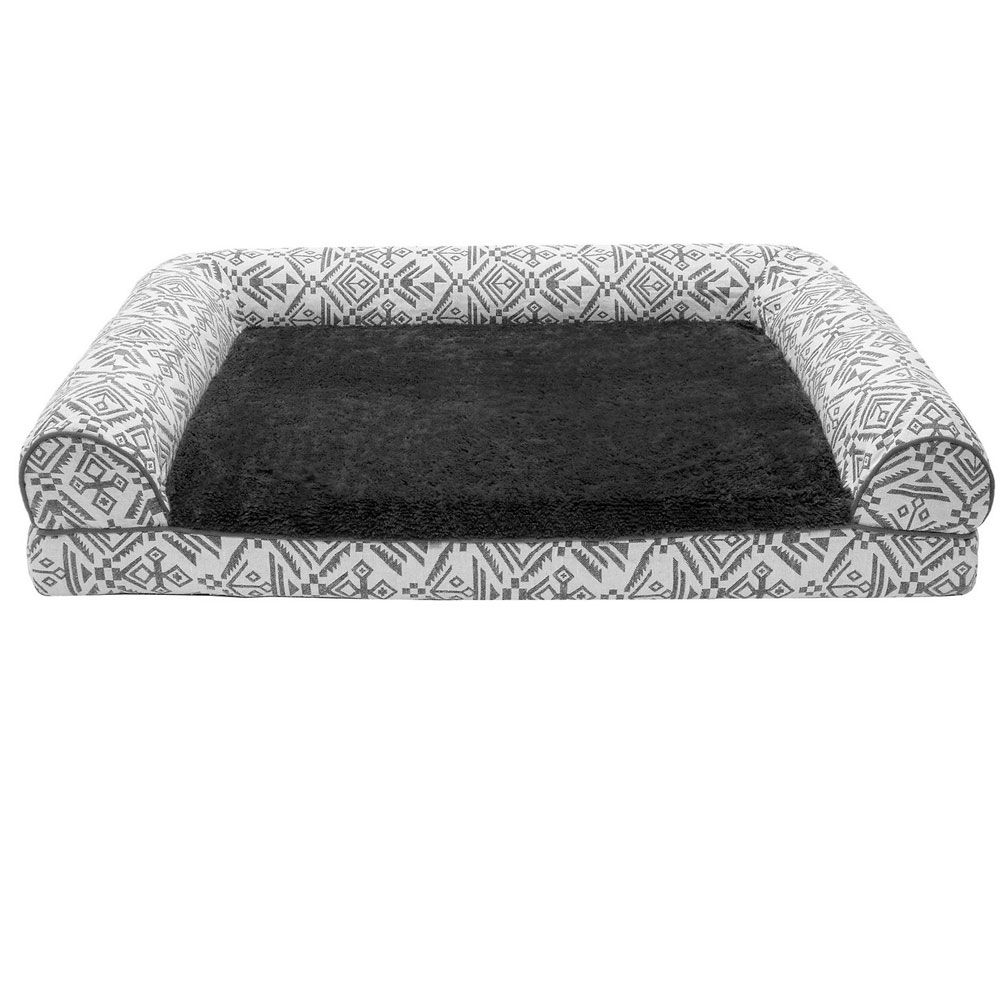
Training works much better when the dog cannot practice the unwanted behavior all day. Shoes, charging cables, trash bins, and remote controls should be moved out of reach, and the dog should have a safe, predictable space when unsupervised. Baby gates, playpens, and closed doors are not punishment; they are temporary tools that reduce mistakes while new habits are being built.
Replace destruction with acceptable outlets
Dogs need things they are allowed to chew, carry, and investigate. Rotating chew toys, food puzzles, snuffle mats, and long-lasting treats can redirect energy into appropriate activities. The goal is not to flood the house with toys, but to offer a few useful options and make them more rewarding than the sofa leg.
Use timing, not delayed scolding
Correction is most useful when it happens in the moment the dog starts the behavior. A calm interruption followed by redirection to a toy helps the dog understand what to do instead, while scolding after the fact usually adds stress without teaching much. Consistency matters too: if one family member allows the behavior and another reacts strongly, the dog receives mixed signals and the pattern becomes harder to change.
When a vet or trainer should be involved
If the behavior appears suddenly, escalates quickly, or comes with pacing, panting, vocalizing, appetite changes, or signs of distress, a veterinary check is a smart first step. Pain, digestive discomfort, or other medical issues can change how a dog behaves at home. If the dog shows intense distress when alone, a trainer or behavior professional can help build a step-by-step plan that fits the household.
Common mistakes to avoid
Many owners try to punish the dog after coming home to a chewed-up room, but that approach rarely works because the dog cannot link the punishment to the earlier action. Another common mistake is taking away freedom without adding exercise, enrichment, or structure, which leaves the root cause untouched. Real progress usually comes from a combination of management, daily routine, and repeated practice of better choices.
The key idea is simple: destructive behavior is best treated as a communication problem, not a character flaw. When the home environment is safer, the dog has appropriate outlets, and the rules stay consistent, most households see better control over time. If the pattern is severe or tied to anxiety, veterinary advice and professional training can make the process much more practical and less stressful for everyone involved.