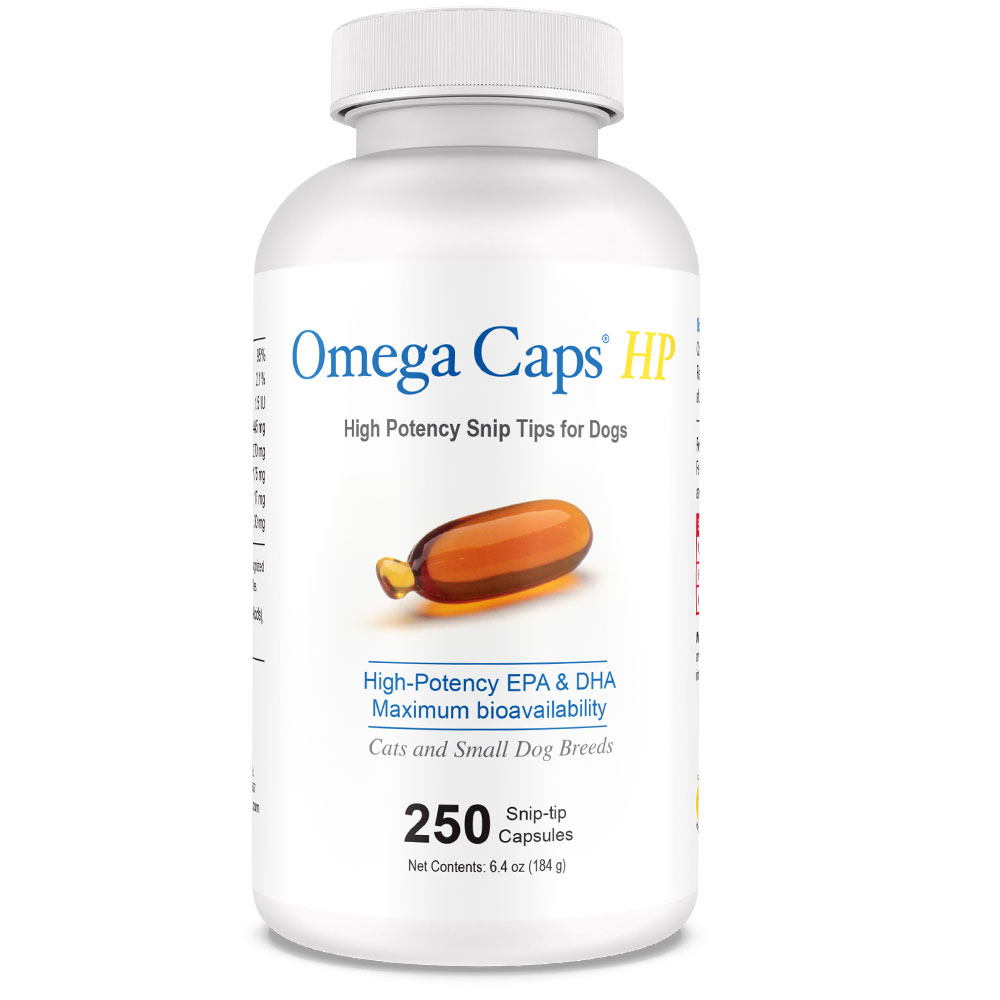
Why fish oil is so common in pet care
Fish oil comes up often because it provides omega-3 fatty acids, especially EPA and DHA, which cats and dogs cannot make in sufficient amounts on their own and therefore need through food. In everyday pet care, it is usually discussed when a pet has dry coat issues, is aging, stays very active, or eats a rather limited diet. Veterinary sources also link omega-3s with cell membranes, inflammatory response, and cell signaling, which is why fish oil is frequently used as part of a broader nutrition plan. It is not a miracle product, but it is a practical supplement many pet owners consider.
Coat, skin, and seasonal itch concerns
One of the first reasons owners look into fish oil is coat and skin condition. Pets with flaky skin, rough fur, frequent scratching, or seasonal itch are often the ones discussed in clinic visits, and omega-3s may be part of the nutrition conversation. That does not mean fish oil is a stand-alone fix for every skin problem; rather, EPA and DHA are connected to how the body manages inflammatory responses, so they can fit into a wider care plan. In real life, results make more sense when fish oil is paired with the right diet, grooming, and veterinary evaluation.
Joint care and mobility in adult and senior pets
For larger dogs, older pets, or animals with a high activity level, fish oil is also often brought up in joint care discussions. Available veterinary guidance describes EPA and DHA as useful in managing chronic inflammatory processes, which is why some clinicians include them in joint-support routines. Owners may notice slower rising, stiffness after rest, or less enthusiasm for stairs and jumping, but joint problems can have many causes, including body weight, age, and existing disease. That is why long-term supplementation is best decided with a veterinarian rather than by guesswork.
Brain, vision, and growth-stage nutrition
DHA is widely discussed because it is associated with nervous system and visual development. For puppies and kittens, it is often mentioned in the context of growth-stage nutrition; for senior pets, it is more commonly discussed as part of brain and vision support. This does not mean fish oil reverses aging or solves eye disease, but it does provide a fatty-acid source that can be evaluated within the overall diet. If a pet already has eye conditions, neurological issues, or a complex medical history, supplementation should be discussed with a veterinarian first.
How dosage is usually determined
The key point about dosage is that the label should be read for EPA and DHA content, not just total oil volume. Products vary a lot in concentration, so two capsules that look similar may deliver very different amounts of omega-3s. In practice, dosage depends on body weight, the pet’s regular diet, and the reason for supplementation. A cautious approach is usually better than starting with a high amount right away. If the pet already uses a prescription diet or other supplements, the veterinarian’s input matters even more.
When extra caution is needed
Fish oil is common, but it is not something every pet should receive without review. Pets with pancreatic concerns, bleeding-related disorders, medication use, or a known intolerance to fish ingredients need extra caution before starting. Common problems include oxidation, poor storage, digestive upset from too much oil, and using human fish oil without checking whether it suits pets. For owners, the best approach is to consider source, concentration, storage, and the rest of the diet together, rather than treating fish oil as a one-step solution.
A practical way for owners to decide
Instead of buying fish oil just because it is popular, it helps to start with the pet’s real needs: is the concern coat quality, mobility, senior care, or general nutrition? Writing down those observations before a vet visit usually leads to clearer recommendations. If a veterinarian agrees supplementation makes sense, starting with a lower amount and watching stool quality, skin, and energy level is a sensible way to monitor response. Fish oil can be useful in pet nutrition, but it works best when the right pet gets the right amount in the right context.