For many indoor cats, the quality of their environment largely shapes how much they move, explore and relax each day. Owners often start by adding toys, but from a cat’s point of view, vertical space, lookout points and hiding spots are much closer to what their instincts ask for. Veterinary teams frequently remind owners that a calm indoor cat can still experience stress or tension if the space offers only flat surfaces and few choices. Enrichment does not have to mean a full renovation; by using walls for shelves and framing a safe window perch, an apartment can gain several new routes and levels, giving cats more control over where and how they spend their time.
Why vertical space and lookout spots matter to cats
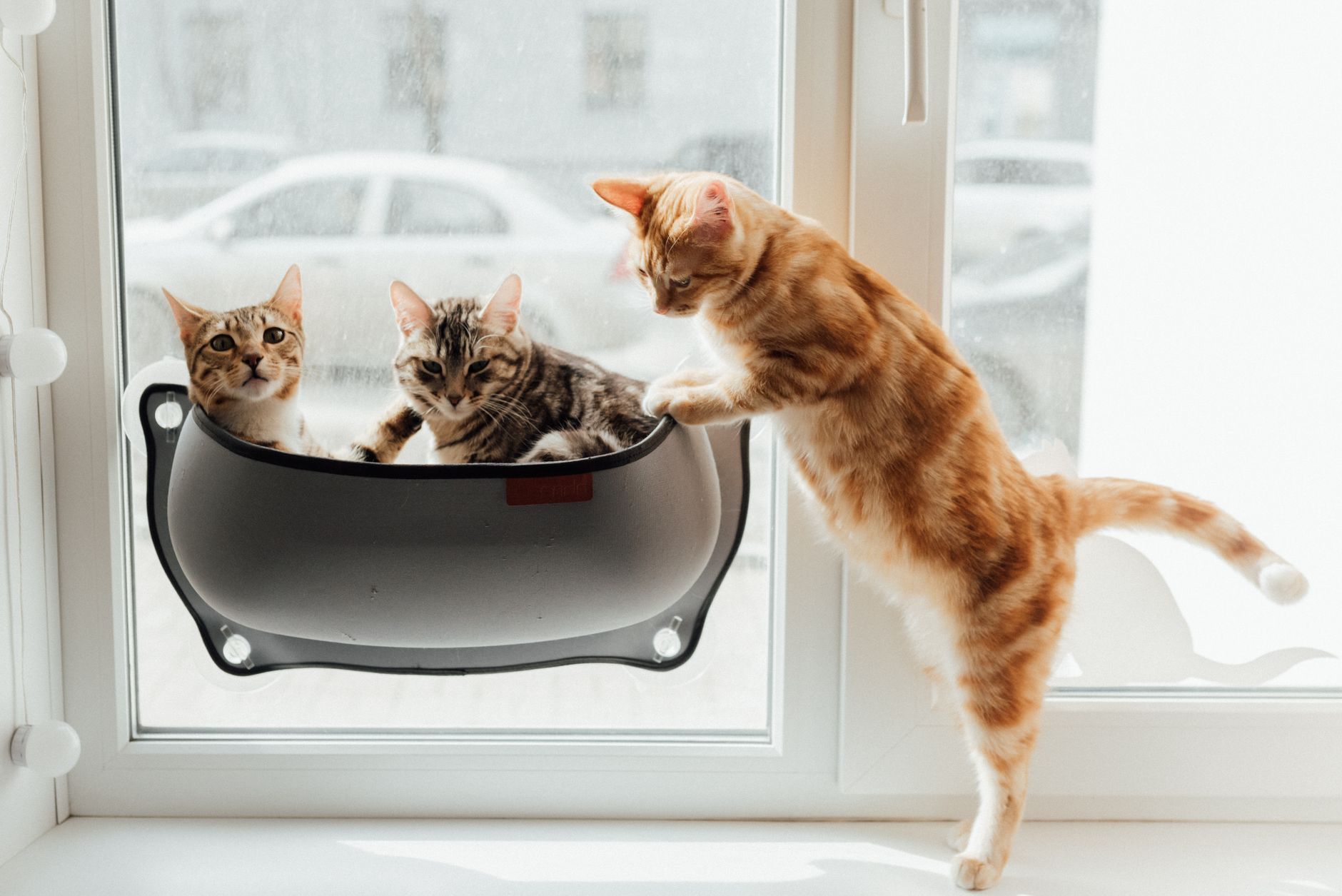
Cats naturally seek high places to observe their surroundings, and this is more about feeling secure than simply playing. In the wild, elevation helps them see what is coming and stay out of reach; indoors, a high platform still represents safety, quiet and a sense of overview. Many shy or sensitive cats treat high spots as a retreat where they can watch from a comfortable distance. A window perch adds another layer, letting an indoor cat see trees, people, passing cars or birds, which brings gentle sensory variety to days spent inside. When a home offers floor‑level resting areas, mid‑height platforms and at least one stable “high ground” with a view, cats can choose between closeness, solitude and stimulation, which often leads to more balanced behavior.
Assessing your space and your cat before installing shelves
Before drilling into walls or ordering hardware, it helps to pause and look at how your cat already moves through the home. Some cats are agile and confident jumpers who enjoy chaining several pieces of furniture together; they do well with longer routes and more challenging gaps. Others are more cautious, prefer walking to jumping and spend long stretches sunbathing in a single corner. For these cats, smaller steps, narrower height differences and gentle ramps are kinder than big leaps. The layout of the apartment matters too. In compact city flats, using the area above the sofa, beside a bookcase or along a hallway can be enough; there is no need to cover a whole wall. Veterinarians also advise considering household members: where children run, older adults walk or mobility aids are used, shelf placement should avoid sharp corners or crowded walkways so no one trips or knocks into the structures.
Height, spacing and keeping shelves structurally safe
When owners start planning shelves, the most common question is how high and how far apart they should be. A practical approach is to begin around shoulder height for an adult, then extend upward to one or two higher spots where the cat can truly feel above the room. This makes it easier to check on the cat and clean surfaces while still satisfying the desire for a “top floor” vantage point. Spacing depends on age and body condition. Many healthy young cats can manage jumps of 40–60 centimeters without difficulty, but senior cats, those with joint concerns or heavier bodies benefit from shorter steps or even stair‑style platforms. Structural safety is critical in buildings with thinner interior walls or older construction, where load‑bearing capacity can vary. In such homes it is often wise to consult a carpenter or experienced installer who can choose suitable anchors and confirm that shelves are secure. The surface should be grippy rather than slick, using textured finishes or non‑slip mats so a cat turning quickly or braking mid‑run stays sure‑footed.
Designing routes: more than a single way up and down
Enrichment is not just about height; it is about giving cats choices in how they travel through their territory. In multi‑cat households, bottlenecks are a common source of tension, with one cat blocking a path and another feeling cornered. To reduce this, shelf layouts should ideally provide at least two ways to reach and leave key spots, such as connecting shelves to a cat tree, the back of a sofa or a side table instead of forcing every cat through the same narrow gap. Window areas can also be given enough width for two cats to rest side by side, cutting down on resource guarding. Apartments with low ceilings can rely more on gentle ramps or stepped platforms so cats walk upward rather than making steep jumps. Once routes are in place, owners can watch interactions: if chasing, blocking or cliff‑edge passing becomes common, it signals that adding an extra platform or adjusting furniture may help ease social pressure.
Window perch safety, light and noise considerations
A window can be the most interesting “channel” in a cat’s day, but it also introduces safety questions. Screens, window hardware and ledges need to be checked carefully to make sure pushing or clawing does not loosen anything. In high‑rise buildings, secure screens and robust fastenings are especially important to reduce the risk of falls or escapes. When a sill is too narrow, a fixed board or a purpose‑made window bed can widen the resting area, as long as it does not block emergency exits or interfere with regular window use. Sun exposure also matters. West‑facing or fully sun‑lit windows can become very hot, which may make a cat uncomfortable and discourage drinking or resting. Light curtains or heat‑filtering film can soften glare while keeping the view. For windows that look out onto busy streets, some very sensitive cats may find noise and headlights unsettling; in these cases, a higher vantage point focused on tree tops, sky or distant buildings is often calmer than direct views of traffic.
Multi‑cat homes: zoning, retreats and shared lookout spots
In homes with more than one cat, enrichment works best when it supports both togetherness and personal space. Rather than building everything on a single wall, it can be more effective to scatter vertical options across the living room, home office and hallway so each cat can discover a preferred corner. Near shelves and window perches, half‑covered beds, cardboard boxes or tunnel‑style hideouts can serve as quick retreats where a cat can reduce stimulation after watching the world go by. Behavior specialists commonly suggest having at least one more elevated resting place than the number of cats, to keep competition for prime spots in check. Owners can also pay attention to subtle patterns: if one cat often chases another toward the edge of a shelf or blocks access to the window, that indicates the need for an extra exit, a wider platform or moving a piece of furniture to open a second route. These adjustments aim to keep the environment predictable and reduce conflicts.
Health, cleaning and professional advice as a reference
Even with a creative layout, shelves and window perches remain part of everyday home maintenance. Dust, hair and tracked litter tend to accumulate in high corners, which can bother humans with allergies and cats that groom frequently. Building a simple cleaning routine with mild, low‑odor products helps maintain air and surface quality without leaving strong smells that might discourage use. For cats already living with joint disease, heart conditions, vision changes or other medical issues, any change in height or route should be discussed with a veterinarian who knows the cat’s history. This article is intended as general guidance and does not replace individual medical or behavioral assessment; if a cat shows sudden discomfort, reduced movement or behavior changes, seeking professional veterinary advice is recommended so environmental plans can align with its health needs.
Starting small: one new path can change a cat’s day
Designing an enriched environment may sound complex, but most homes can begin with a single meaningful change. A short shelf beside a familiar bookcase, a secure perch on a favorite sunny sill or a safer connection from the sofa to an existing cat tree can already give a cat a new way to move and rest. Over time, these additions signal to the cat that exploration is welcome and predictable within its territory. When owners think in terms of viewpoints, routes and retreats instead of solely counting toys, indoor life can become more engaging without overwhelming either the cat or the humans sharing the space. For anyone uncertain about where to start, watching where the cat naturally spends time and which edges it already tests is often the best clue. From that spot, a carefully installed shelf or window perch can become the first piece of a more comfortable, cat‑friendly home.