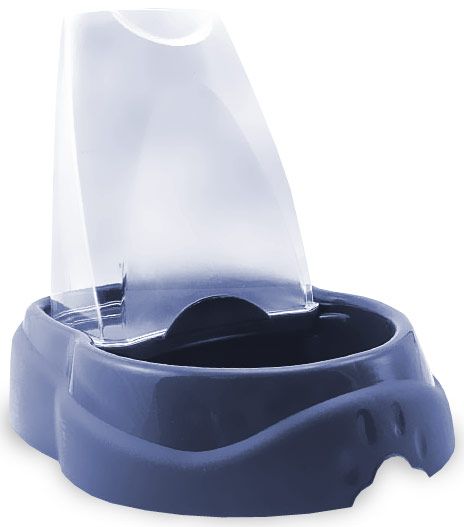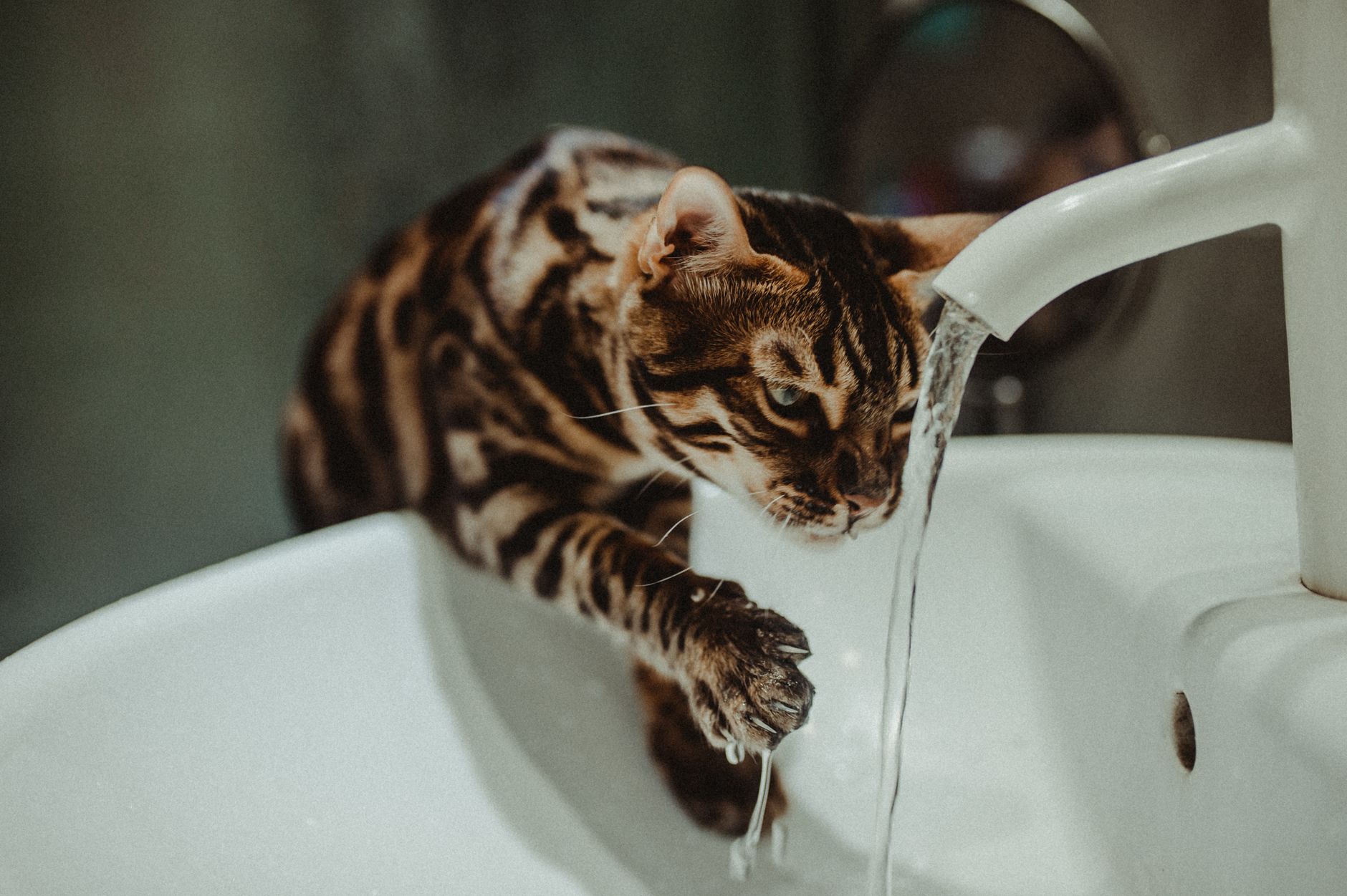
For many households, a full water bowl does not always mean that the cat or dog is drinking enough. Some cats seem fascinated only by taps or bathroom sinks, and some dogs drink irregularly despite having water nearby. This is why pet owners have started to look at water fountains as part of their basic care, rather than just a fun gadget. Flowing designs can make water more appealing, but there are trade-offs in cleaning, noise and cost that need to be understood. This article focuses on how to choose and how to maintain a pet water fountain, highlighting owner responsibility and suggesting when it is better to ask a veterinarian for personalised advice. All information is for general reference only and does not replace professional medical guidance.
Why consider a water fountain? Looking at hydration as an environment
Hydration is strongly influenced by the environment an owner creates, not only by the animal’s sense of thirst. Many cats are naturally drawn to moving water, which they may perceive as fresher than still water in a bowl. Dogs often need easy access to clean water throughout the day, especially in warm climates or after activity. A fountain can make drinking more convenient by keeping water circulating and available at a consistent level, as long as it is maintained properly. From a responsibility perspective, choosing and managing a fountain is part of everyday care: owners are not just buying a device, but committing to checking water levels, cleanliness and their pet’s drinking habits over time.
Key benefits of flowing designs: more than an entertaining gadget
The main advantage of a fountain is its ability to move water continuously, which reduces the “stagnant pond” look that some animals dislike. Gentle streams or waterfall-style spouts can attract curious cats, encouraging them to approach and explore. Many units also use filters to catch fur and visible particles, helping the water look clearer between full cleanings. Some designs offer different drinking heights or surfaces, which can be more comfortable for older animals or those with joint sensitivity who prefer not to bend too low. At the same time, continuous flow does not mean the water is always clean; pumps and filters can become hidden spots for buildup if owners do not follow a regular maintenance routine.
Material, capacity and noise: matching the fountain to your home life
Choosing a fountain is easier if owners first imagine where and how it will be used. Material has a big impact on weight, durability and cleaning effort. Plastic models are lightweight and common, but may scratch more easily; stainless steel, ceramic or glass tend to feel heavier and may be preferred by owners who value a smooth surface for cleaning. Capacity needs to match the number and size of animals, as well as how many hours the household is away each day: a multi-cat home or one with a large dog will need more water volume so the pump does not run dry. Noise is another practical factor. A pump that seems quietly humming in a busy store can sound much louder at night in a quiet living room or bedroom, potentially disturbing both humans and pets. Reading user experiences and mentally placing the fountain in your own rooms helps avoid surprises.
Filters and water quality: focusing on realistic maintenance, not marketing layers
Advertisements often highlight multi-layer filter cartridges, activated carbon and special media, which can give the impression that more layers always equal better water. In reality, the effect of any filter depends heavily on how often it is changed and how the whole device is cleaned. If owners leave cartridges in far beyond the suggested time frame, they may collect fur and debris, making the interior harder to keep tidy. When comparing products, it is useful to check how easy replacement filters are to buy, whether they are affordable enough for regular changes, and how clearly the schedule is explained. For pets with medical conditions where water source is a particular concern, veterinarians may recommend specific setups or caution with certain filter types. In those cases, individual veterinary advice should be prioritised, and general tips like those in this article treated only as background information.
Everyday cleaning: small, consistent habits that keep water inviting
Even with a fountain, owners need simple daily routines to keep water appealing. A practical habit is to look at the water level and surface at least once a day, topping up if needed and scooping out visible fur or food crumbs. Many households choose to fully replace the water and rinse the reservoir every one to two days to avoid slick surfaces or obvious buildup. During these quick cleans, gently wiping the spout and accessible parts of the pump housing with a soft cloth or brush can reduce early deposits. It is generally safer to avoid strong-scented detergents, as lingering smells might discourage sensitive animals from approaching the fountain. If there is any doubt about suitable cleaning agents or methods, asking a veterinarian or professional groomer is advisable, especially for pets with underlying health concerns.
Deep cleaning and pump care: planning regular maintenance sessions
Beyond quick rinses, fountains benefit from scheduled deep cleaning that includes disassembly. Owners can decide on an interval, such as once a week or every two weeks, to fully take the unit apart according to the manual, separating all washable components. Using lukewarm water and soft brushes on the reservoir, pump pieces and tubing helps remove fine residue and mineral deposits. Before reassembly, each part should be checked for cracks, discoloration or trapped debris, and the electrical cord inspected for bite marks or wear, which could pose a safety risk. A noticeable change in pump noise or water flow can signal internal clogging or aging parts; in those situations, pausing use and contacting customer support or discussing safety with a veterinarian is wise. While these steps take time, they make it more likely that the fountain will remain reliable and safe for everyday use.
Placement and combining fountains with traditional bowls
A well-chosen fountain needs an appropriate location to be truly helpful. Placing it near main activity areas, such as a living room corner or feeding zone, makes it easier for animals to include drinking in their routine. Shy cats may prefer some distance between food and water, so separate spots can encourage them to approach willingly. Many owners keep traditional bowls alongside the fountain, giving pets the choice between still and moving water; this also adds redundancy if the device is temporarily off or being cleaned. For homes with children or active animals, cable management and the stability of the unit are important to prevent tipping or pulling. Thinking through everyday traffic patterns in the home, including where toys are thrown and where people walk most often, helps create a drinking setup that feels natural rather than intrusive.
From buying a device to supporting long-term drinking habits
A pet water fountain should be seen as one part of a broader hydration strategy, not as a complete solution on its own. The most meaningful change comes from owners paying attention to their animals’ drinking patterns, adjusting water locations, cleaning routines and even bowl types as needed. Flowing designs can make it easier to keep water available and visually inviting, but they require consistent care to remain hygienic and safe. When there are concerns about low water intake, sudden changes in drinking behaviour or health conditions that affect hydration, consultation with a veterinarian is strongly recommended. The guidance in this article can help owners ask more informed questions and set realistic expectations, but it is not a substitute for personalised medical advice tailored to a specific pet’s situation.