Many pet owners working long or unpredictable hours look at automatic pet feeders as a way to keep their dog or cat on a steady meal schedule. The idea of a machine handling breakfast and dinner can be tempting, especially if commutes, overtime or late meetings are common. At the same time, a feeder cannot watch for changes in appetite, litter box habits or mood, and it does not replace daily interaction. This article takes a responsibility‑first approach, helping owners decide whether an automatic feeder fits their lifestyle and their animal, and what features matter most if they choose to buy one.
Who is an automatic pet feeder really for?
Before clicking “buy”, it helps to look honestly at daily routines and at the animal’s needs, rather than focusing only on convenience. An automatic feeder usually works best for otherwise healthy adult cats and dogs whose main diet is dry kibble and whose owner is away for part of the day but still comes home daily. In that situation, a programmed schedule can smooth out minor delays and reduce stress about being stuck in traffic at dinnertime. On the other hand, people who travel for several days at a time or who are rarely home still need human help such as a sitter or boarding, because a feeder cannot notice vomiting, diarrhea, lethargy or a tipped‑over water bowl. Young puppies and kittens, and pets with medical conditions that affect appetite or require diet changes, should only use an automatic feeder under guidance from a veterinarian.
Main advantages: regular timing and consistent portions
The core benefit of an automatic feeder is regularity. Once feeding times and portion sizes are programmed, the machine will dispense roughly the same amount at roughly the same times every day, even if the owner is in a meeting or on a video call. This structure can support training around meal routines and reduce pressure to “make up” for a missed feeding by overcompensating later in the day. Some models allow a single meal to be split into multiple small drops over several minutes, which can slow down very enthusiastic eaters and spread intake more evenly. For pets that tend to beg between meals, having a predictable schedule can make it easier for humans to stay consistent with the plan. Owners still need to monitor body condition and adjust the programmed portions over time, because activity level, age and health status all influence how much food is appropriate.
Important limitations: not a substitute for supervision
Despite the convenience, automatic feeders come with limits that responsible owners should not ignore. A common risk is assuming that a full hopper and a few programmed meals are enough to leave a pet completely alone for days, when power cuts, mechanical jams or a knocked‑over unit can all interrupt feeding. Curious or energetic dogs and cats may paw, chew or push the feeder, especially if they learn that food sometimes spills when it moves. For animals that eat wet food, homemade diets or prescription meals that need to be mixed and handled carefully, most dry‑kibble feeders are simply not suitable as the only source of food. Pets with chronic illnesses or on tightly managed diets require regular professional review, and decisions about automation are best made together with a veterinarian. Health and care topics in this article are for general information only and should not replace personalised advice from a vet.
Capacity, kibble type and portion accuracy: how to read the specs
When comparing models, owners often focus first on how much food each feeder can hold and how precisely it can portion out meals. Too small a hopper requires constant refilling and increases the chance that someone forgets, while an oversized container may leave kibble sitting for longer than ideal. A practical approach is to calculate the pet’s usual daily ration in grams, then decide whether having two or three days of food in the hopper fits the household’s habits. It is also worth checking how the manufacturer defines “one portion”, since that might mean a certain number of seconds or a volume that does not directly match the printed feeding guide. Many thoughtful owners use a kitchen scale to test several dispenses and see whether the actual weight is reasonably consistent. The shape and size of the kibble matter as well: very large, greasy or irregular pieces are more likely to get stuck in the chute, so choosing a feeder that is known to work with the food being used can reduce frustrations.
Safety features and backup power: planning for the unexpected
Safety is more than just avoiding electric shocks; it includes preventing the pet from getting injured or going hungry because of a technical issue. A stable base is essential, particularly for medium and large dogs that may bump or lean on the unit, and non‑slip feet or the option to anchor the feeder to furniture can add extra security. The design of the dispensing opening also deserves attention, since some animals will try to fish out extra kibble with their paws, and narrow gaps or sharp plastic edges could cause minor injuries. Backup power is another key point. Many feeders run on mains electricity but also accept batteries, which can keep the schedule going through short outages. Before relying on this feature, owners should check that fresh batteries are installed and periodically test the device under battery power, rather than assuming it will work when needed. Even with good engineering, no device is fail‑proof, so an owner who will be away for longer than a day is wise to arrange in‑person checks by a sitter or trusted friend.
Cleaning, maintenance and keeping food appealing
Automatic feeders are part food container, part appliance, and both sides need regular attention. Kibble dust and grease can build up around the chute and feeding bowl, attracting insects or creating an unpleasant smell if they are not cleaned out. When shopping, it is helpful to look for models where the hopper, lid and bowl can be removed easily and washed with mild detergent, and where there are as few hidden corners as possible. Materials that are smooth and resistant to staining tend to be easier to maintain day to day. Hygiene is closely tied to how long kibble sits in the machine as well; even dry food gradually loses aroma when exposed to air, especially in warm or humid homes. Many owners find it reasonable to refill little and often, and to empty remaining kibble fully for inspection on a regular schedule. Wiping down the outside of the unit, checking the moving parts for stuck crumbs and following the manufacturer’s maintenance guidelines can also extend the feeder’s usable life.
Multi‑pet households and food‑motivated animals
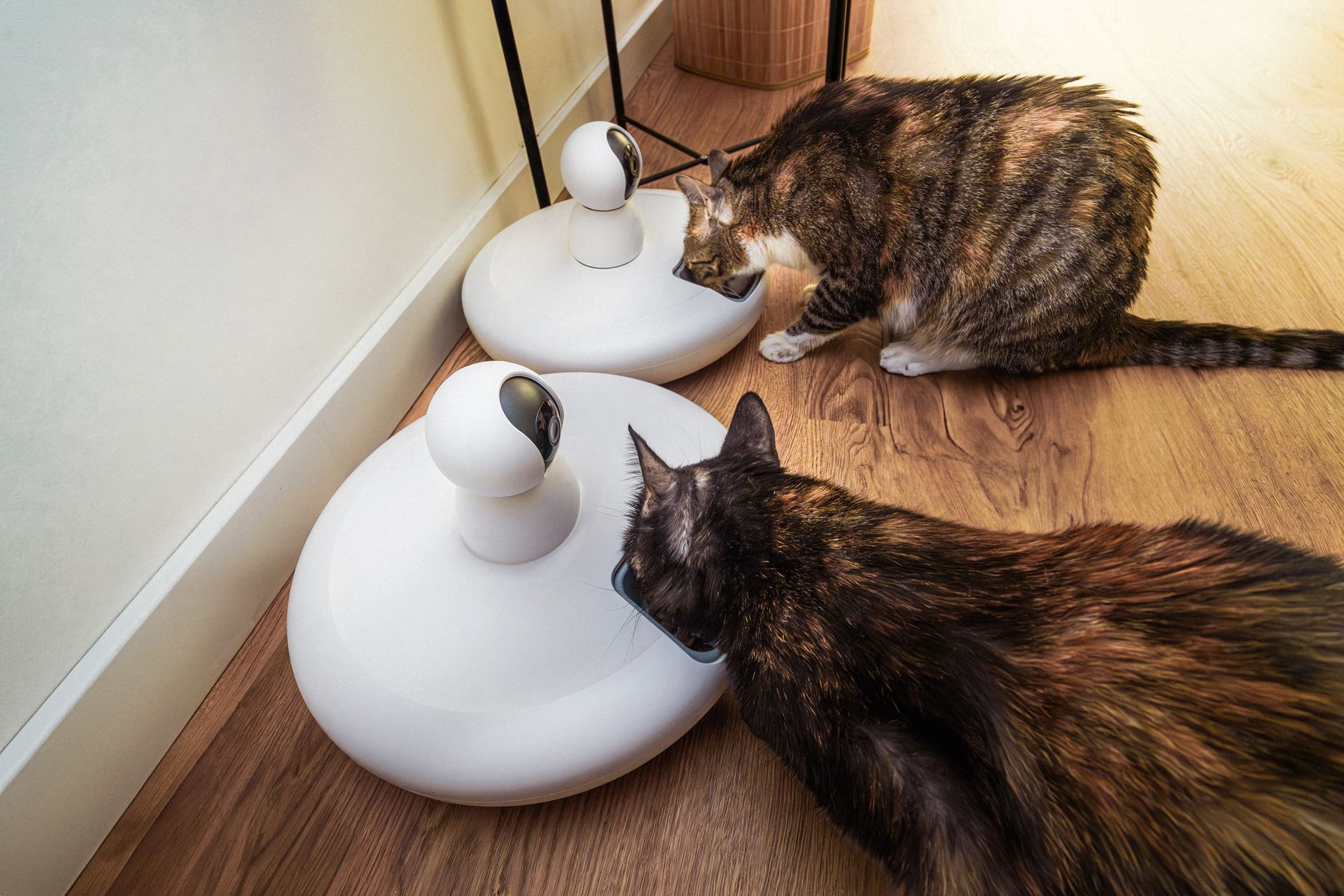
In homes with more than one pet, an automatic feeder can create new challenges if both animals can reach the same bowl. When a confident or heavier pet consistently crowds out a shy companion, portion control for each individual becomes difficult. Some higher‑end systems pair the feeder with microchip or RFID recognition so that only a particular animal can access the food at that station, which can be helpful when pets are on different diets or need different calorie levels. These setups often require a gradual introduction period so that the pet associates the noise, lid movement or enclosed space with positive experiences rather than fear. Owners of very food‑driven pets may also prefer feeders with a tightly sealed chute and a secure lid latch, reducing the chance of tipping or prying it open. Taking the time to observe how each animal interacts with the feeder in the first few weeks is an important part of keeping the arrangement fair and safe for everyone.
Technology as a tool, not a replacement for care
Veterinarians and experienced trainers often describe automatic feeders as helpful tools when used thoughtfully, but they also stress that devices cannot replace an attentive human. Changes in how eagerly a pet approaches meals, how much is left in the bowl, or how they move around the home are early clues when something is not right. If owners assume that a working machine means everything else must be fine, they may miss these warning signs. A more balanced mindset treats the feeder as a way to support consistent routines while still planning time each day for play, grooming and health checks. Any decisions around diet, weight management or feeding schedules should be discussed with a veterinary professional, especially for animals with medical conditions. The information in this article is intended for general education and does not constitute medical advice; pet owners are encouraged to consult their vet for guidance tailored to their individual animal.