For an indoor cat, toys are one of the few things that can turn a quiet room into a place to explore, chase and relax. Many owners start by buying random wands and balls, only to find them scattered on the floor while the cat loses interest. Over time those toys become clutter instead of useful tools. This article looks at common toy types from a practical owner’s angle, focusing on who they suit, what they are made of, how they sound and how easy they are to maintain, so readers can put money into toys their own cat is likely to use instead of filling drawers with unused gadgets.
Before buying: age, energy level and living space
The most useful way to choose toys is to start with the cat, not the product. Kittens usually have plenty of energy, love jumping and chasing and do well with lightweight wands and balls, but strings and tiny parts need extra attention because of swallowing risks. Adult indoor cats, especially in homes where people work long hours, benefit from toys they can operate alone, such as track balls or puzzle feeders, which give them something to do when the house is quiet. Senior cats or those with joint sensitivity often prefer lower-impact options like soft kick pillows or fabric toys filled with catnip, which can be played with on the floor without big jumps. Space matters as well: in a studio or small apartment, it is more practical to pick toys that can be stored away and do not block walking paths or sit awkwardly between furniture.
Wand and feather toys: high interaction, but safety comes first
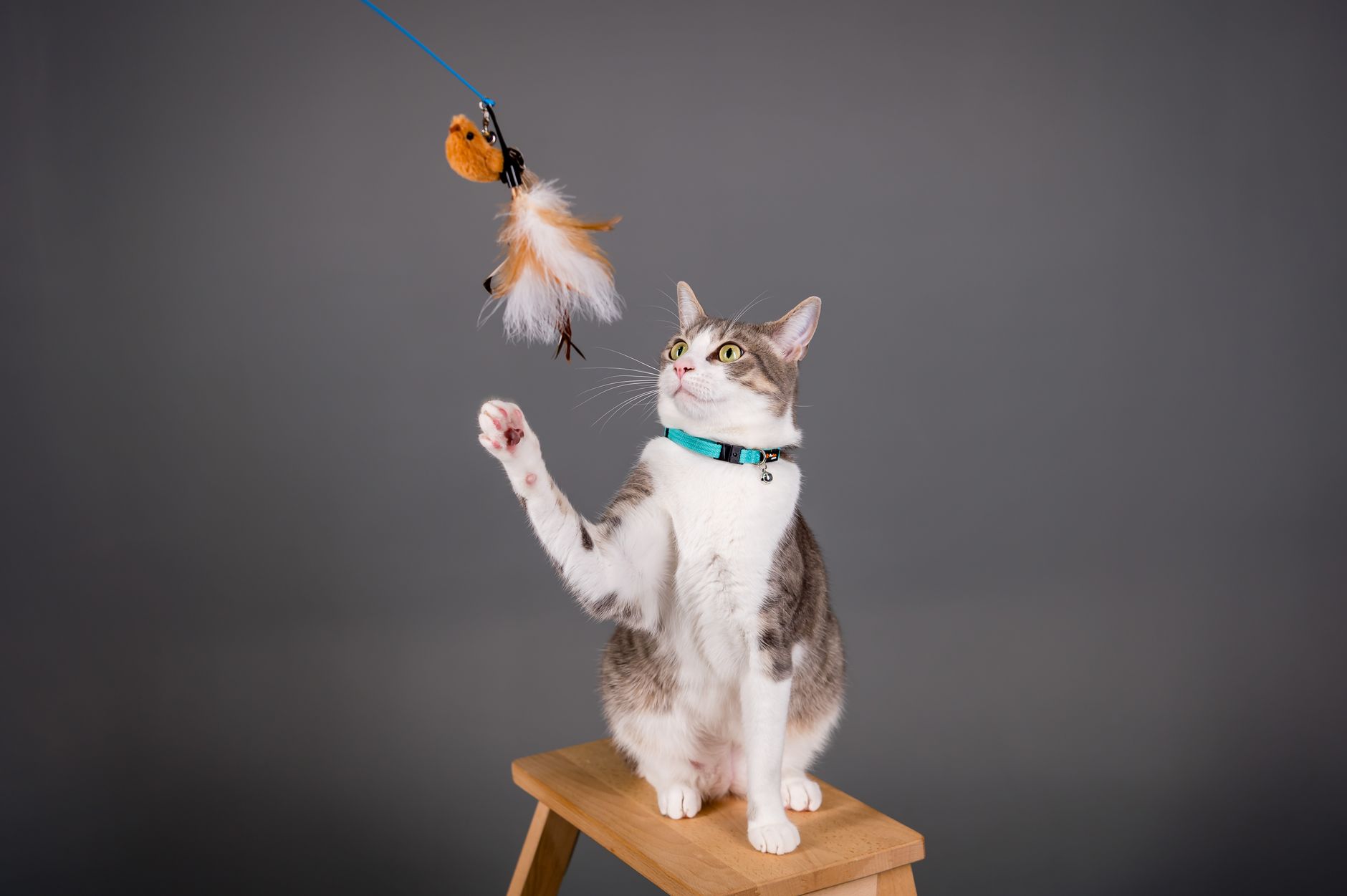
Wand toys are classics in almost every cat home and their main strength is strong interaction: a person holding the wand can quickly get a cat running and pouncing. When comparing wands, it helps to check handle length, weight and material, aiming for something light in the hand yet not too fragile. The front end, where feathers or ribbons are attached, should be firmly fixed so small parts do not break off during play. If there is a kitten in the house, it is safer to store wands after play rather than leaving them on the floor where chewing and swallowing can happen. Feather toys have limits too; they can fray after being clawed and bitten and dyes or glues may bring skin or nose sensitivity to some cats. Owners can reduce risk by choosing toys without harsh smells, inspecting them regularly and stopping use if they notice irritation or unusual behaviour, then asking a vet for advice when needed.
Rolling balls and track toys: good for workers and compact homes
Rolling balls and track systems are popular with owners who are away for part of the day, because cats can push and chase these toys without human help. Typical designs include clear or semi-clear balls with small sound or light modules inside, as well as plastic tracks where balls loop through tunnels. A practical check is ball size: it should be large enough that a cat cannot fit the whole ball in its mouth. Track pieces should lock together solidly; loose joints make balls stick instead of roll and quickly reduce interest. Most of these toys are plastic, which keeps them light and easy to move but can crack or form sharp edges when thin material is knocked around over time. During cleaning, it is worth running a hand along the edges to feel for damage. Noise is another factor: balls with bells inside may sound charming at noon but less welcome when a night-active cat plays at 2 a.m., so light or quiet versions are often better for shared living spaces.
Electronic interactive toys: more variety, with noise and durability trade-offs
Electronic toys add motion patterns that simple wands and balls cannot replicate, such as irregular rolling balls, motor-driven wands or small devices that move under a mat. They can refresh interest in cats that have grown bored with basic toys and are attractive for high-curiosity, chase-focused personalities. At the same time, owners frequently mention motor noise and long-term durability as concerns. Some devices use high-pitched sounds that stand out in a silent room, which may startle cats or disturb people working or sleeping nearby. Adjustable speed modes can help: starting with the slowest, gentlest setting gives nervous cats a chance to get used to the object. Safety around moving parts is important too; screws, plastic doors and battery compartments should close tightly so curious paws cannot reach batteries or loose hardware. Because these toys rely on mechanical components, routine checks for cracks, loose parts or exposed wiring and timely replacement are part of using them responsibly. When toy choice intersects with health questions like weight control or anxiety, professional input from a vet or behaviour specialist is recommended, and information here should be treated as general reference only.
Puzzle feeders: turning food into a slow, thoughtful activity
Puzzle feeders sit at the point where toys meet food bowls. Their designs range from treat balls that release kibble as they roll to maze dishes and trays with multiple pockets. They suit cats who tend to eat quickly or seek constant activity but also require the owner to think about the overall feeding plan. For cats with medical conditions or strict diet needs, any change in feeding style should be discussed with a vet first, including how much food goes into the puzzle toy and how it fits total daily intake. Most puzzle feeders are plastic or silicone, so smooth surfaces and well-finished edges make cleaning easier and reduce the chance of paws catching on rough spots. Dry food crumbs and oils have a habit of settling into grooves and holes, so rinsing and brushing those areas regularly keeps the toy in better condition. In homes with more than one cat, wide, open designs reduce crowding and allow several cats to approach the toy without cornering one another, while owners watch for signs of tension around food.
Soft kick pillows and catnip fabric toys: calmer play for relaxed and senior cats
Not every cat enjoys sprinting after fast-moving objects; some are happier hugging and kicking one soft toy for several minutes. Kick pillows and fabric catnip toys are built for this style of play. They usually have a larger, cushioned shape that a cat can grab with front legs and kick with hind legs, sometimes with catnip or silver vine inside to add scent. These toys are generally gentle on joints and suit cats who prefer to play near a sofa, bed or resting area. Material quality matters: strong stitching and durable fabric reduce the chance of filling leaking out where a cat can chew on it. Reactions to catnip vary widely, with some cats showing excitement and others barely noticing it, so owners can start with short sessions and watch behaviour, backing off if a cat seems overstimulated or uncomfortable. Because fabric traps saliva, dust and loose fur over time, washing or replacing these toys at intervals is part of maintaining a clean environment for both pets and people.
Cleaning, storage and replacement: quiet work that keeps toys safe
Even well-chosen toys need care to stay safe over months and years. Plastic and silicone pieces can usually be cleaned with mild detergent or warm water according to product instructions, avoiding strong chemicals that may stress materials. Fabric or plush toys fit into laundry bags and can be run on a gentle cycle with suitable detergent, then dried completely before returning them to the cat. Storage also plays a role: wand toys are better kept in a drawer or container between play sessions so that strings and tips are not chewed unattended, while small balls can be gathered into a box to prevent rolling under furniture or becoming trip hazards. Replacement timing does not follow one fixed rule, but visible damage is a clear cue. Once edges turn sharp, parts loosen or filling peeks through seams, the risk of injury or swallowing increases, even if the cat still appears enthusiastic. Toy use that relates to health topics such as body weight, oral habits or stress should be paired with professional guidance where possible, with this article serving as general background information rather than a medical plan.
Building toy sets for different budgets and lifestyles
Budgets, schedules and home layouts differ widely, so there is no single ideal toy list. For owners starting from scratch with limited funds, a sensible bundle might include one or two sturdy wand toys, a couple of rolling balls and a simple puzzle feeder to test what kind of activity their cat enjoys most. Multi-cat homes can look at wider track systems or puzzle trays that physically allow more than one cat to join in, while still being ready to separate toys if tension shows up. People who are out of the house for long stretches may focus more on independent-play options like track balls and selected electronic toys, balanced against how much noise neighbours will tolerate. For senior cats or those with physical sensitivities, soft pillows and slow-paced wand play near the floor are easier on the body than intense chasing games. Over time, the most useful approach is to watch the cat’s reactions, adjust the mix of toys and retire items that are unused or worn, creating a set that fits both the animal’s temperament and the household’s daily rhythm.