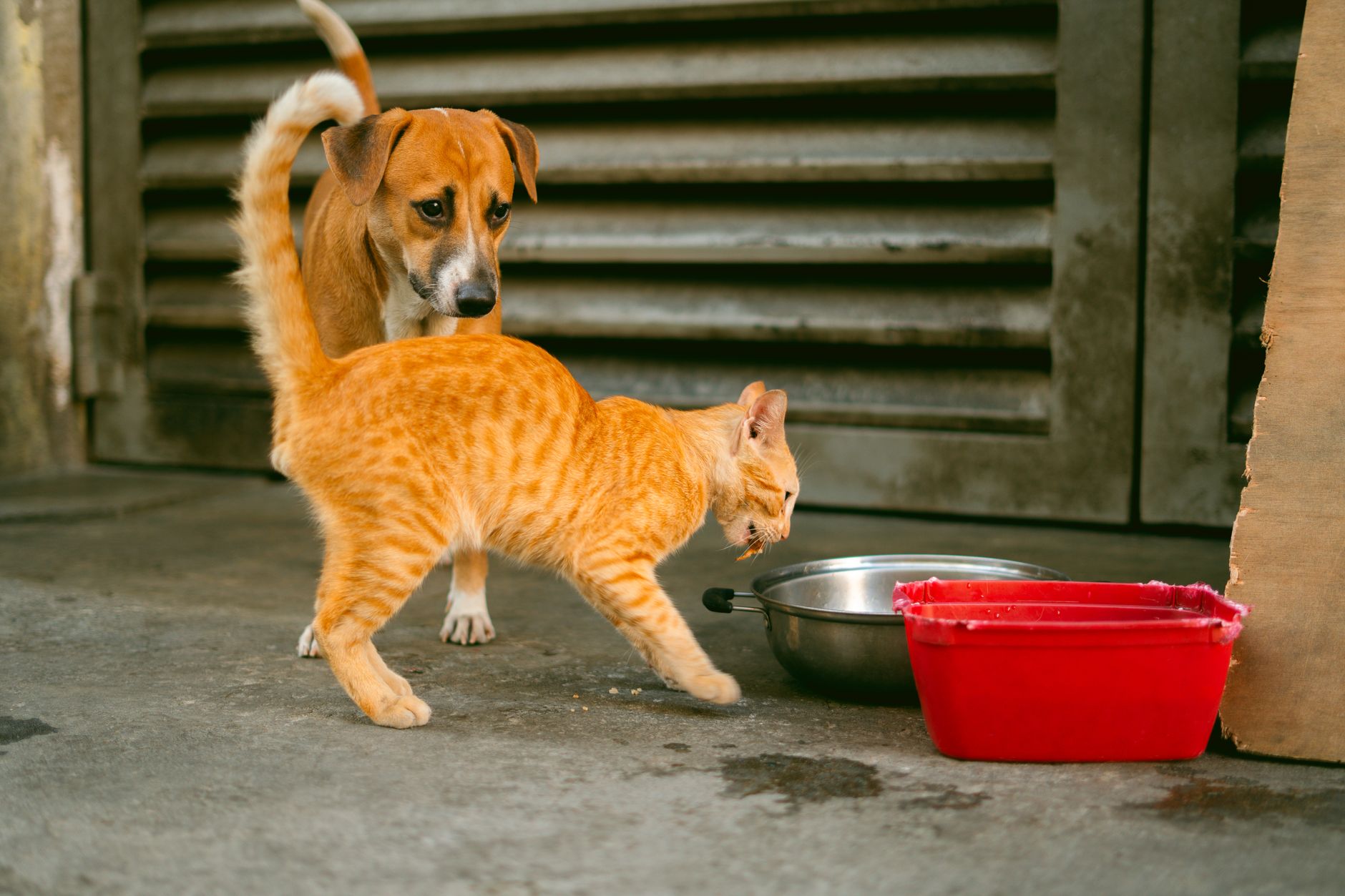
In a multi-pet home, the difficult part is rarely buying enough products. The real challenge is making sure each animal can access the right food, water and equipment without being rushed, distracted or accidentally fed someone else’s diet. Cats may need a quiet feeding point away from dogs, while dogs may eat quickly or watch another bowl. Puppies, kittens, senior pets and animals on special diets also require closer portion tracking. A useful plan creates clear resources for every pet while keeping the daily routine simple enough to repeat.
Start with separate feeding zones
Avoid placing every bowl in one line on the kitchen floor. Each pet should have an identifiable feeding spot, and animals that interfere with one another should be separated with different rooms, a baby gate or a closed door. A nervous cat may not feel comfortable eating in a busy hallway, beside a washing machine or in a dead-end corner. The station should offer a clear exit route and enough space for the pet to eat without being crowded.
- Give each pet an individual food bowl and mat.
- Keep dogs apart during meals if they rush, steal food or guard resources.
- Place cat food where dogs cannot reach it, while keeping the route safe for the cat.
- Remove leftovers after the meal when intake needs to be monitored.
Portion control matters more than hopper size
A large hopper does not guarantee accurate feeding. Food density, kibble shape, age, body size and activity level all influence how much an animal should receive. When introducing an automatic feeder, test several portions and weigh the output with a kitchen scale. Repeat the check after changing food, adjusting meal frequency or noticing a change in body condition, because the same programmed setting may dispense a different weight with another formula.
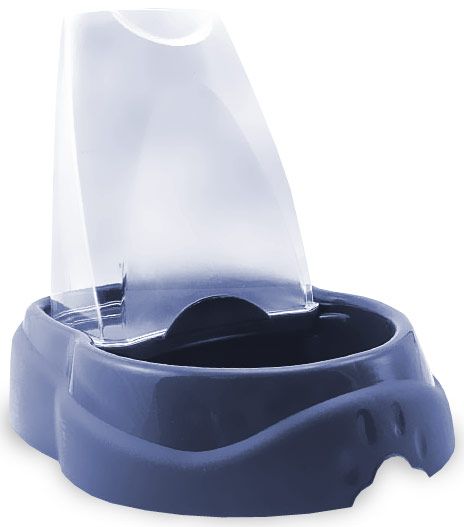
A dual-bowl dispenser is not always suitable when pets eat different diets. One animal may simply cross over and finish the other’s meal. For pets with strict dietary separation, a microchip or identification-based feeder may be worth considering, but compare recognition speed, battery backup, cleaning access, replacement parts and warranty coverage. Automation can make timing consistent; it cannot replace observation of appetite, leftovers and drinking habits.
Treat water, wet food and fresh food as separate systems
Food and water bowls do not have to sit together. Some cats prefer water away from food or litter areas, so several water points around the home may be more practical than one large bowl. For a fountain, check pump noise, filter replacement intervals, tank access and how easily the motor can be removed for cleaning. Cords should be secured if a pet chews or pulls electrical cables.
Wet food and fresh food require a separate storage routine. Follow the package instructions for refrigeration, remove uneaten food promptly and wash bowls after meals. Puppies, kittens, senior pets and animals with special dietary needs should have their meal type and schedule recorded individually. Human leftovers, seasoned foods and unapproved treats should not be used as casual substitutes for complete pet food; a veterinarian can advise on individual nutritional needs.
Build the supply list by function
A useful shopping list has three layers: one set per pet, shared equipment and special-needs items. Individual items may include food bowls, mats and identification labels. Shared items can include a measuring cup, kitchen scale, airtight storage bin, cleaning brush and spare bowls. Cat households also need litter boxes, scoops, bags and litter reserves; placing every box in one cramped area can create a cleaning bottleneck and make access less convenient.
Material choice affects long-term use. Stainless steel, ceramic and hard plastic differ in weight, stability, surface wear and cleaning requirements. A dog that pushes bowls may need a non-slip mat or a secured station. For storage bins, inspect the gasket, opening size, emptying process and whether the lid can be opened by a pet. Capacity is useful only if the container remains manageable and the food can be rotated properly.
Make storage and cleaning part of the route
The most practical storage area is usually close to meal preparation, but food containers should remain inaccessible to pets. Label each container with the food type, opening date and intended animal so similar bags do not get mixed up. Keep the scoop or scale beside the container rather than in a drawer across the room; small layout choices make portion tracking more consistent.
Bowls, water dishes and mats need a repeatable washing routine. Fountains require attention to the tank, pump and filter-contact areas, not only the visible surface. A spare set of bowls lets the household continue feeding while the used set is being cleaned. Replace equipment when cracks, persistent odor, failed seals or damaged cables appear, rather than relying on stronger cleaning to extend its use.
Adjust the setup for small homes and senior pets
A small apartment can still support separate feeding zones by using doors, stable shelves and visual barriers, but vertical placement must match the animal. A cat may use a secure elevated station, while a senior cat, large dog or pet with limited mobility may need a floor-level bowl. Every station should have a stable base, a clear route and enough room to leave without bumping into another pet or a piece of furniture.
For puppies, senior dogs or pets that take medication with meals, a whiteboard or phone note can record the time, portion, whether the meal was finished and any unusual observation. Automatic feeders are generally more suitable for scheduled dry food than for meals that require refrigeration or direct supervision. Sudden refusal to eat, repeated vomiting, marked body changes or unusual drinking should be discussed with a veterinarian rather than handled only by changing equipment.
Choose equipment by the problem it solves
A basic setup can include one bowl per pet, washable mats, an airtight food container, a measuring tool and more than one water point. If pets steal food, try a door or baby gate before buying an expensive device. A mid-range setup may add a quiet fountain, kitchen scale and timed feeder for households with predictable schedules. Identification-based feeders become more relevant when pets have different diets, large weight differences or persistent food theft.
Compare the purchase price with filters, batteries, replacement trays, cleaning time, failure options and warranty support. Test any device while someone is home, checking for jams, uneven dispensing and behavior around the machine. The most useful product is not necessarily the one with the longest feature list; it is the one that lets every pet eat safely and lets the caregiver verify what happened. This article provides general pet-care information only; individual nutrition concerns or health changes should be discussed with a veterinarian.