The main differences at a glance
Dry food, wet food, and raw food are often compared as if one of them must be the “best” choice, but the real differences are usually about moisture, storage, calorie density, and handling effort. For pet owners, the right option depends less on labels and more on the animal’s age, drinking habits, digestive comfort, and the household’s daily routine. In clinic settings, veterinarians usually focus first on whether the food is complete and appropriate for the pet, then on convenience and preference.
What dry food does well
Dry food is popular because it is easy to store, simple to portion, and convenient for busy schedules. That makes it practical for households with fixed feeding times or automatic feeders. Because kibble contains little water, it tends to be more calorie-dense than wet food, so a small bowl can deliver a meaningful amount of energy. The tradeoff is that pets who do not drink enough may need closer monitoring, especially in hot weather, for seniors, or in homes where fresh water intake is already inconsistent.
Where wet food fits in
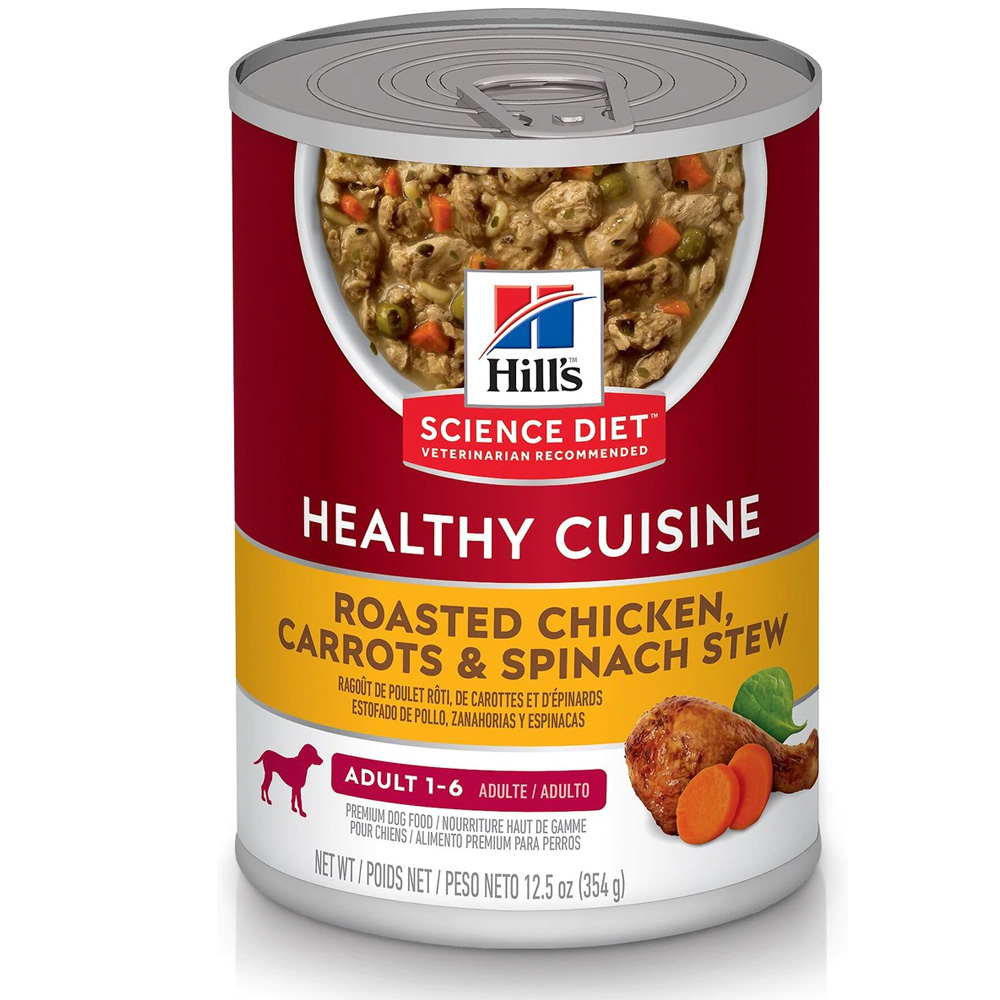
Wet food usually contains much more water and tends to be more aromatic, which is why it is often appealing for picky eaters, older pets, or animals with dental discomfort. Many owners like it because it combines mealtime and hydration in one serving, which can be useful for pets that rarely visit the water bowl. The downside is that it is less convenient to store once opened, often costs more over time, and needs a more regular feeding rhythm. If a pet eats slowly or is fed in small portions throughout the day, the household also has to be comfortable with refrigeration, reheating, and careful portion control.
Raw food is not as simple as it sounds
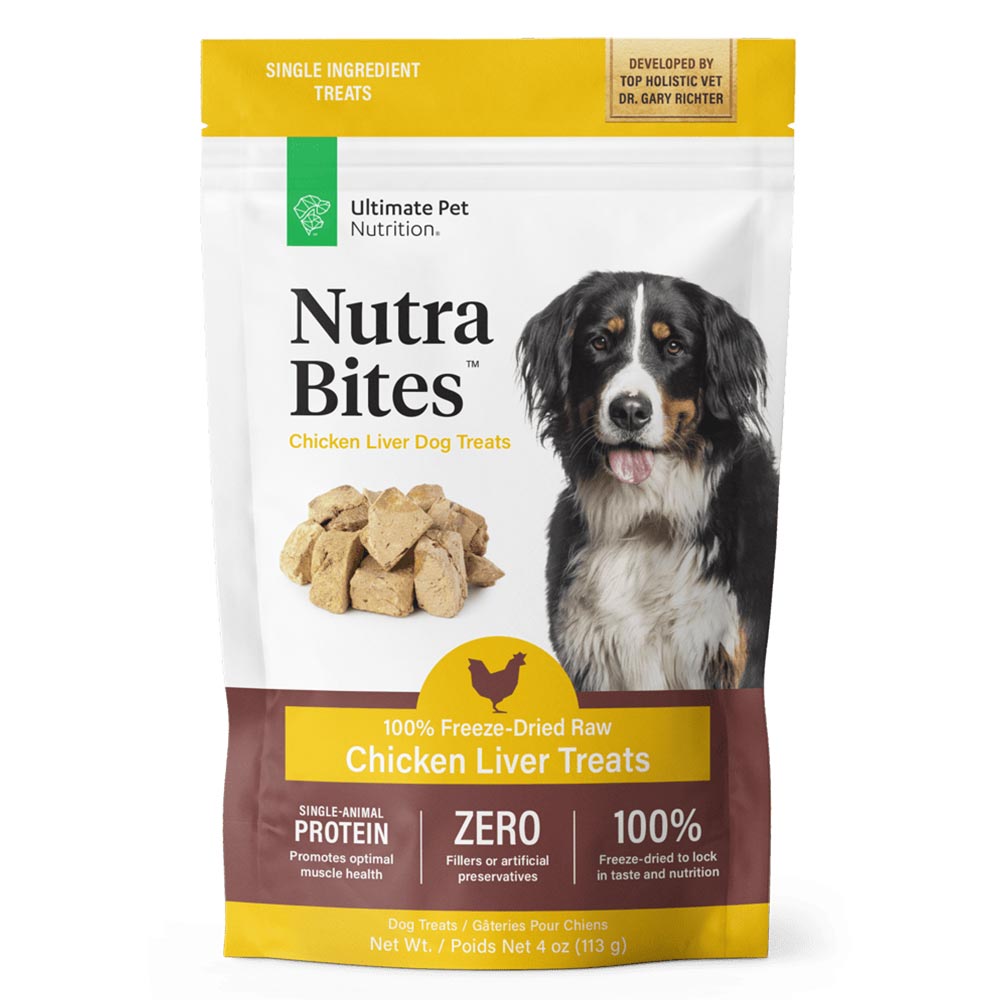
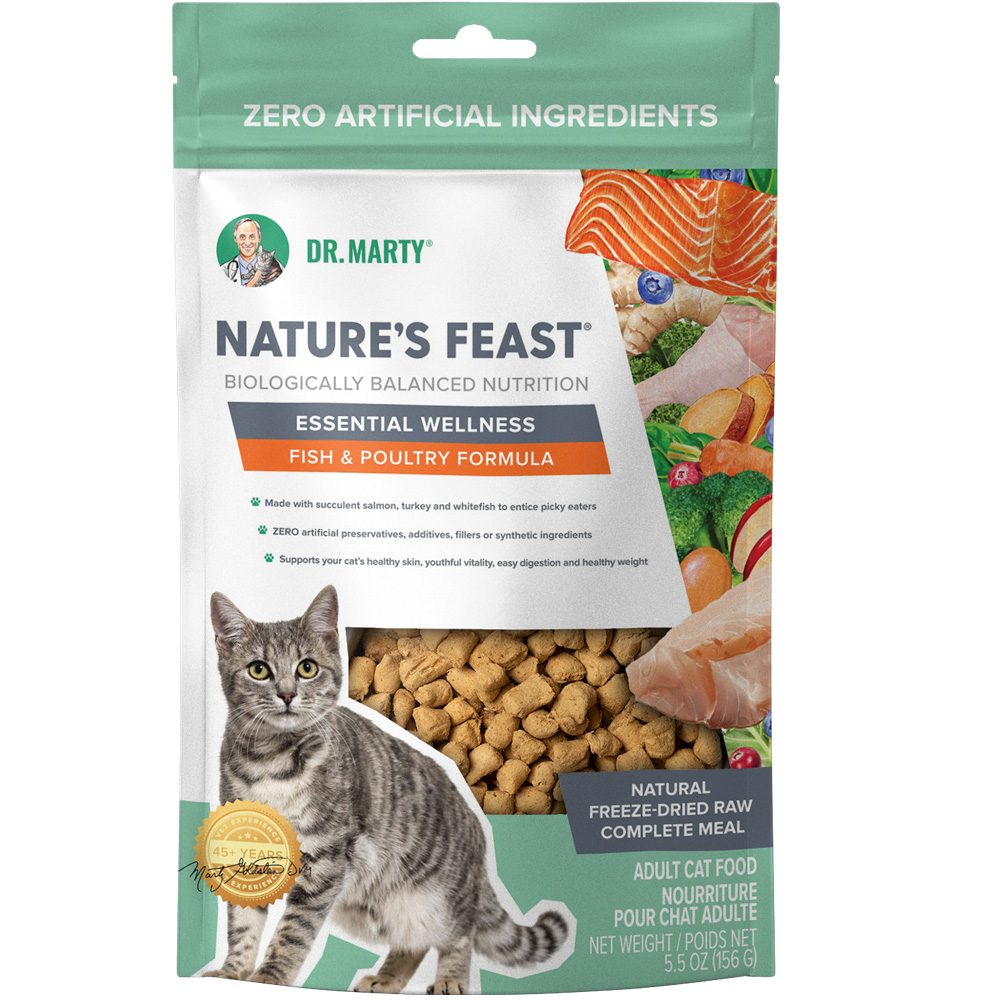
Raw food is often associated with a more natural or ancestral diet, but in practice it requires careful attention to hygiene, temperature control, and nutritional balance. If handling is sloppy, raw feeding adds more work than kibble or canned food, especially in homes with children or people who are more vulnerable to foodborne exposure. Another common misconception is that raw food is automatically suitable for every pet. In reality, suitability depends on the animal’s health, the owner’s ability to manage preparation safely, and whether the diet can be maintained consistently over time.
How to choose in real life
The most practical choice usually comes from balancing the pet’s needs, the family schedule, and the budget rather than chasing a single ideal feeding style. A household where nobody is home for long hours may lean toward dry food with some wet food added in. A pet that does not drink much may do better with more wet food. Pets with sensitive digestion or special medical needs should always be matched with a veterinarian’s guidance on ingredients and feeding structure. If you are changing diets, the transition should be gradual instead of all at once, because abrupt changes can lead to refusal or stomach upset.
Mixing foods and changing diets
Many owners end up using a mixed-feeding approach because it balances convenience with palatability and hydration. In practice, the easiest method is to introduce the new food in small amounts, then watch stool quality, appetite, water intake, and energy levels before making further adjustments. This is especially important for picky pets or animals that have reacted poorly to diet changes in the past. The owner’s job is not to follow a trend, but to keep the feeding plan stable, safe, and realistic enough to maintain every day.
Three questions to ask before deciding
Before choosing between dry, wet, and raw food, ask whether the pet drinks enough, digests food comfortably, and can be fed consistently at home. If the answer is unclear, start with a complete and balanced food, fixed feeding times, and careful observation. For most pets, the best diet is not the most complicated one; it is the one they will eat, that the household can manage, and that fits the veterinarian’s advice.