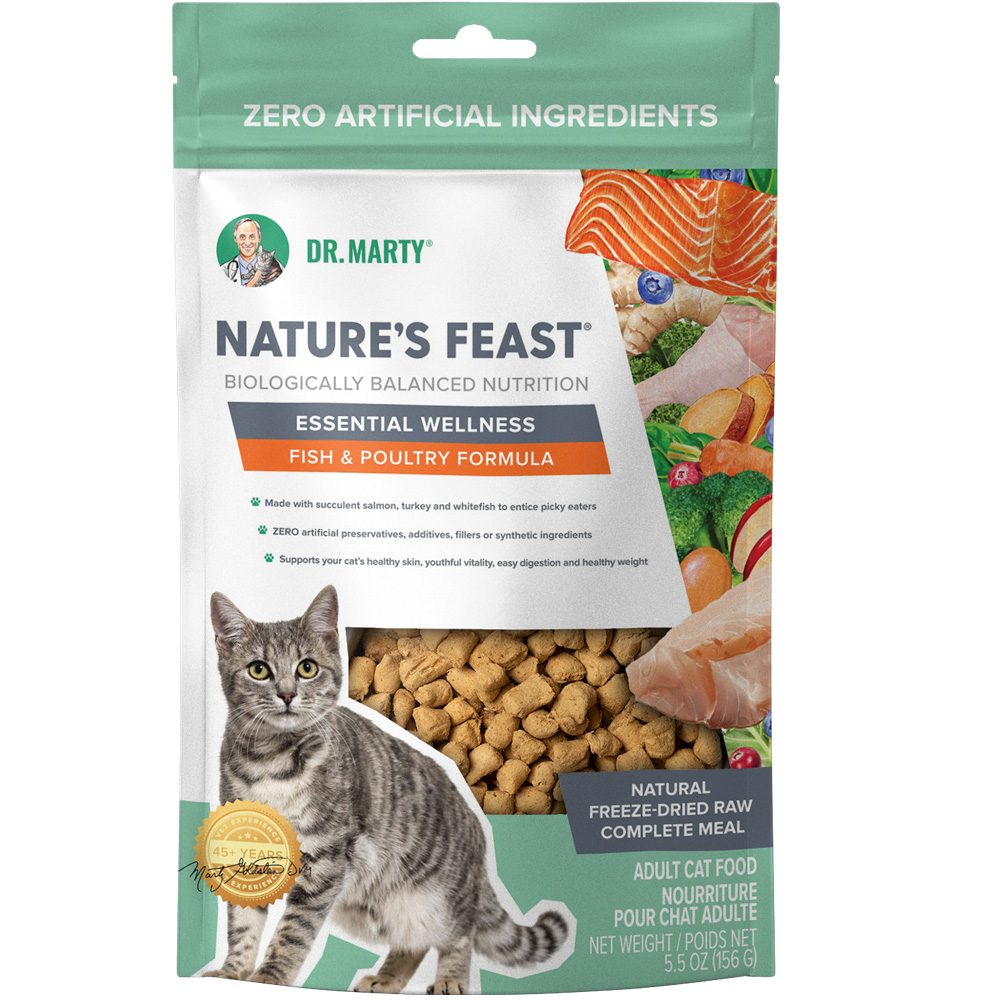
For many cat owners, choosing dry food feels overwhelming: shelves are full of brands claiming to be premium, grain-free or high protein, while every cat at home has a different appetite and body condition. Dry food, however, is part of a cat’s daily routine, and long-term feeding affects body shape, coat quality and overall energy. Instead of chasing trends, it is more realistic to build a stable plan that fits a household’s budget, living space and each cat’s lifestyle. This article walks through label reading, ingredient structure and kibble size, then looks at kittens, adult and senior indoor cats, plus multi-cat homes. Health-related sections are for general information only, and owners should consult a veterinarian for medical or nutrition decisions.
Understand your cat’s lifestyle and age before looking at labels
Before comparing ingredient lists or marketing claims, it helps to define who you are feeding: age, activity level and living environment. Kittens grow quickly and usually eat enthusiastically, so they need more energy and adequate protein; adult cats focus on maintaining a healthy body condition; senior cats often move less and may have dental or joint issues, making kibble size and hardness more relevant. Indoor-only cats in apartments or small homes tend to burn fewer calories, and owners may care more about stool volume and odour, since the litter box usually sits close to daily living areas. Once these basics are clear, you can look for labels such as “kitten”, “indoor”, or “senior” formulas that roughly match your situation and then refine choices based on detailed ingredients and your vet’s suggestions.
Reading ingredient lists: protein sources, grains and added nutrients
Terms like high protein or grain-free sound attractive, but it is important to check the actual protein sources and overall balance of the formula. In most countries, ingredients are listed in order of proportion, so the first few items show what the food mainly consists of. Seeing chicken, turkey, salmon or other animal proteins at the top usually means a meat-focused recipe; seeing corn, rice or wheat at the top suggests a grain-based formula. Grains are not inherently good or bad; some cats digest them well, others have more sensitive digestion. Owners can also check whether taurine, vitamins and minerals are clearly listed, and whether fat sources such as chicken fat or fish oil are identified. For cats with past digestive upsets, skin problems or more complex health histories, bringing their current food label to the veterinarian and discussing future options is safer than switching based only on online recommendations.
Different life stages: kittens, adults and senior cats
Kittens from birth up to around one year are in a rapid growth phase, and many brands create dedicated kitten formulas with higher energy density and adjusted nutrient profiles, often with smaller kibble for easier chewing. Adult cats have relatively stable needs and benefit from balanced formulas that help maintain a steady weight and body condition. Indoor adult cats with low activity may do better on formulas designed for indoor lifestyles or weight management, combined with portion control and regular play time. Senior cats require more individual attention: some have weaker teeth, some have chronic conditions, and many prefer softer or smaller kibble, or mixed feeding with wet food. For cats already diagnosed with kidney, heart or other long-term illnesses, owners should follow veterinary advice on therapeutic diets instead of relying on general commercial dry food alone, and treat food decisions as part of an overall medical plan.
Multi-cat households and small apartments: feeding logistics and long-term cost
Beyond nutrition, multi-cat homes face practical issues such as feeding logistics and budget planning. When three or more cats share space, feeding different formulas to each cat can be challenging without separate rooms or timed feeders, so some owners choose an all-life-stage or balanced adult formula as a base and then customise with wet food or treats. In small apartments, litter box smell and air quality around the box become more noticeable; some formulas are marketed for indoor cats or stool odour management. While results vary by cat, these products offer one possible direction to experiment with. For long-term cost, owners can calculate price per kilogram and then estimate monthly dry food expenses based on daily portions, reserving additional budget for wet food, fresh food or treats. Having a realistic cost range helps avoid impulsive switches to expensive formulas that may not be sustainable over time.
Observing how your cat reacts: palatability, coat condition and stools
Even if a formula looks ideal on paper, the real test is how the cat responds over several weeks. Palatability — whether the cat is willing to eat enough on their own — varies widely among individuals. Many owners start with a small bag, mix it gradually with the current food and watch appetite, coat condition, energy level and stool characteristics. If a cat suddenly eats very little, appears less active or has frequent loose stools, it is worth adjusting portion size, slowing down the transition or rethinking the choice altogether. Preferences differ: some cats prefer fish flavours, others favour poultry; some like hard, crunchy kibble while others prefer smaller pieces. When appetite drops suddenly or changes are accompanied by other signs of discomfort, owners should check for possible storage issues such as humidity or expiry, and seek veterinary advice rather than simply rotating through new brands in the hope that the problem disappears.
Safer transition steps and common mistakes when changing food
One of the most common mistakes is switching food abruptly because a new brand looks promising or has good reviews. Sudden changes can upset a cat’s digestion or lead to refusal, especially in older or more sensitive cats. A gradual transition over one to two weeks is usually safer, starting with around one quarter of the bowl as new food and slowly increasing the proportion while monitoring daily stools and behaviour. If loose stools, vomiting or marked lethargy occurs, owners can pause the increase, return to the previous formula or contact their vet. Another mistake is overlooking storage conditions: even good food can become unappealing or contaminated if left open in humid or warm environments. Using sealed containers, avoiding direct sunlight and consuming the bag within the suggested timeframe are simple but important practices that help keep dry food consistent and more attractive to cats.
Building a realistic long-term feeding plan for your household
There is no universal “best dry food” that fits every cat, every budget and every home. Instead, owners can treat dry food choices as part of a flexible long-term plan that adapts to age, health and lifestyle changes. Starting from a clear monthly budget, owners can decide on one or two main kibble formulas suitable for the household’s cats and then adjust with wet food or other options as needed. When considering new brands or special formulas, trying small packages first and recording reactions over a few weeks reduces risk and stress. The information in this article is meant as general guidance only; for cats with chronic illness, unusual symptoms or complex dietary restrictions, veterinarians or qualified nutrition professionals are the primary sources of advice. Dry food is one piece in a broader picture of environment, play, medical care and daily observation, and the most helpful routine is the one that both cats and humans can sustain comfortably over time.