Cats are commonly described as “obligate carnivores,” meaning their physiology depends on nutrients that are naturally concentrated in animal tissues. The phrase does not mean every meal must be plain meat, nor does a high-meat marketing claim prove that a product is nutritionally complete. The practical question is whether a cat’s daily food supplies the right nutrients, calories, moisture, and safety for its life stage and health status. This guide explains taurine, complete-and-balanced labeling, wet and dry food, treats, human foods, and homemade diets. Cats with kidney disease, urinary problems, digestive disorders, or other medical conditions need an individualized plan from a veterinarian rather than a generic feeding formula.
What obligate carnivore means in practice
A free-roaming cat typically consumes small prey that provides muscle tissue, organs, bones, body fluids, and a small amount of partially digested food. That natural pattern supplies more than protein alone. Veterinary nutrition references describe cats as requiring relatively protein-rich diets and specific nutrients such as taurine, arachidonic acid, and preformed vitamin A. Cats can digest some plant ingredients included in a formulated food, but plant ingredients should not be treated as a substitute for the animal-derived nutrients their metabolism requires. For caregivers, the important distinction is between an ingredient list that sounds meat-focused and a diet that has been formulated to meet feline nutritional needs.
- Choose food made specifically for cats rather than dog food or table food.
- Do not judge a diet only by the first ingredient on the label.
- Match the formula to the cat’s age, body condition, activity, and medical history.
Why taurine and other nutrients matter
Taurine is an essential nutrient for cats because they have limited ability to make enough of it from other compounds. A long-term deficiency can affect the retina and heart, which is why reputable commercial cat foods include taurine at an appropriate level. Cats also have distinctive requirements for animal-derived amino acids, fatty acids, and certain vitamins; the nutritional rules for humans or dogs cannot simply be transferred to cats. Merck Veterinary Manual notes that cats require dietary sources of taurine, arachidonic acid, and vitamin A, among other nutrients. Feeding plain chicken, beef, or fish as the only long-term food can therefore create nutritional gaps, even when the cat appears eager to eat it.
Check for complete and balanced food first
When comparing dry food, canned food, and pouches, first determine whether the product is intended to be a complete daily diet or only a treat, topper, or supplemental food. Packaging should identify the target life stage and provide a nutritional adequacy statement or equivalent formulation information for the market where it is sold. VCA guidance emphasizes that a complete and balanced statement is more useful than focusing on one attractive ingredient. A food can contain named meat and still be unsuitable as the sole diet if it is designed only for occasional feeding. Caregivers should also consider calories, portion size, digestibility, and the cat’s body condition instead of choosing solely by grain-free, natural, or high-protein language.
- Kittens need food formulated for growth and development.
- Indoor or neutered cats may need closer calorie and portion monitoring.
- Cats with diagnosed disease may require a veterinary therapeutic diet.
How wet food, dry food, and water fit together
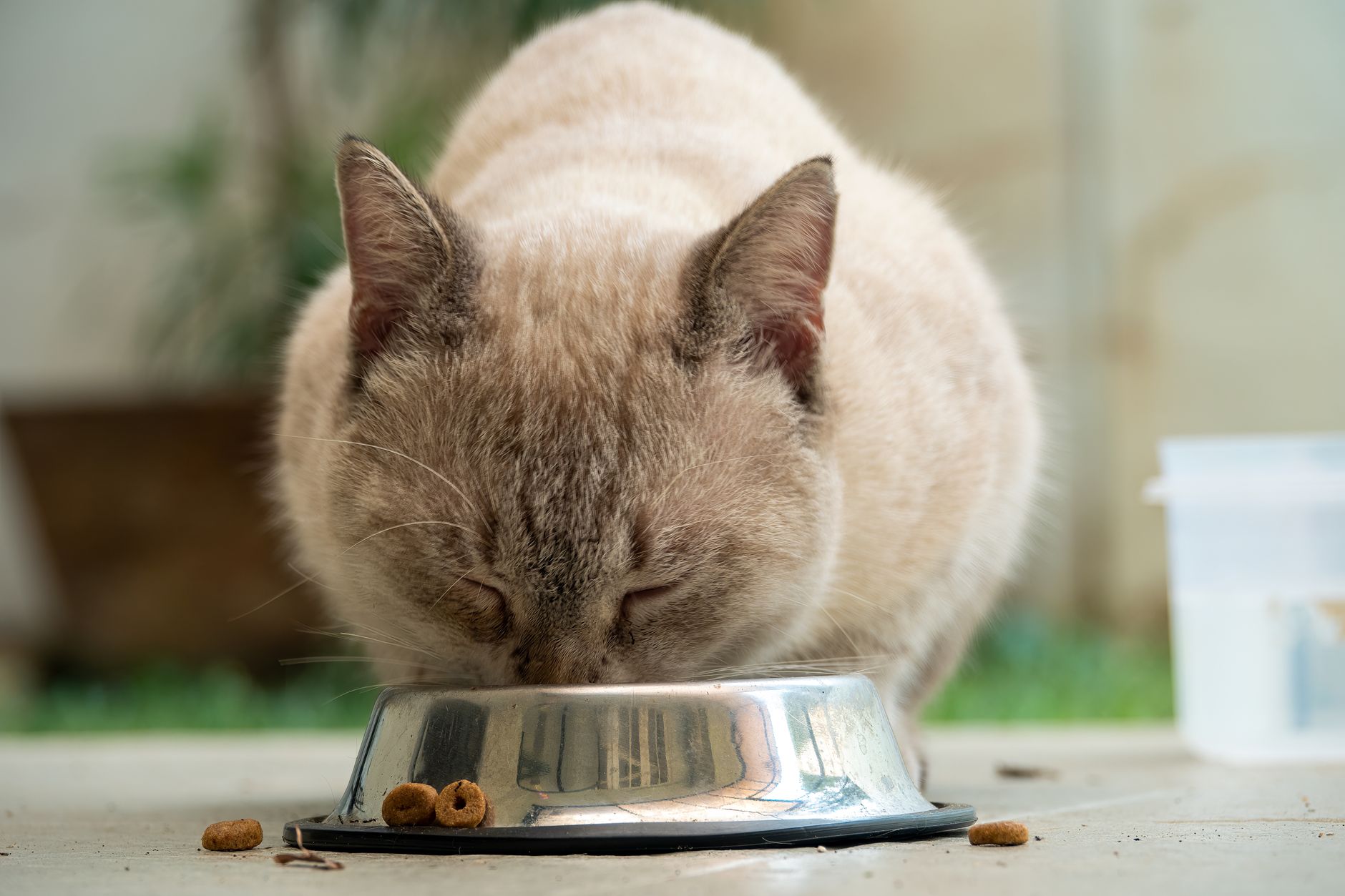
Dry food is convenient to store and portion, while wet food contains substantially more water and may be useful for cats that rarely drink from a bowl. Neither format is automatically right for every cat; the best routine depends on acceptance, total calories, dental status, body condition, and medical needs. If dry and wet food are combined, their calories must be counted together. Feeding a full recommended portion of each can unintentionally exceed daily needs. Provide fresh water in clean bowls, place water away from the litter box, and consider multiple stations or a fountain if the cat prefers moving water. Sudden changes in drinking, urination, appetite, or body weight should be recorded and discussed with a veterinarian.
Treats, toppers, and human food need boundaries
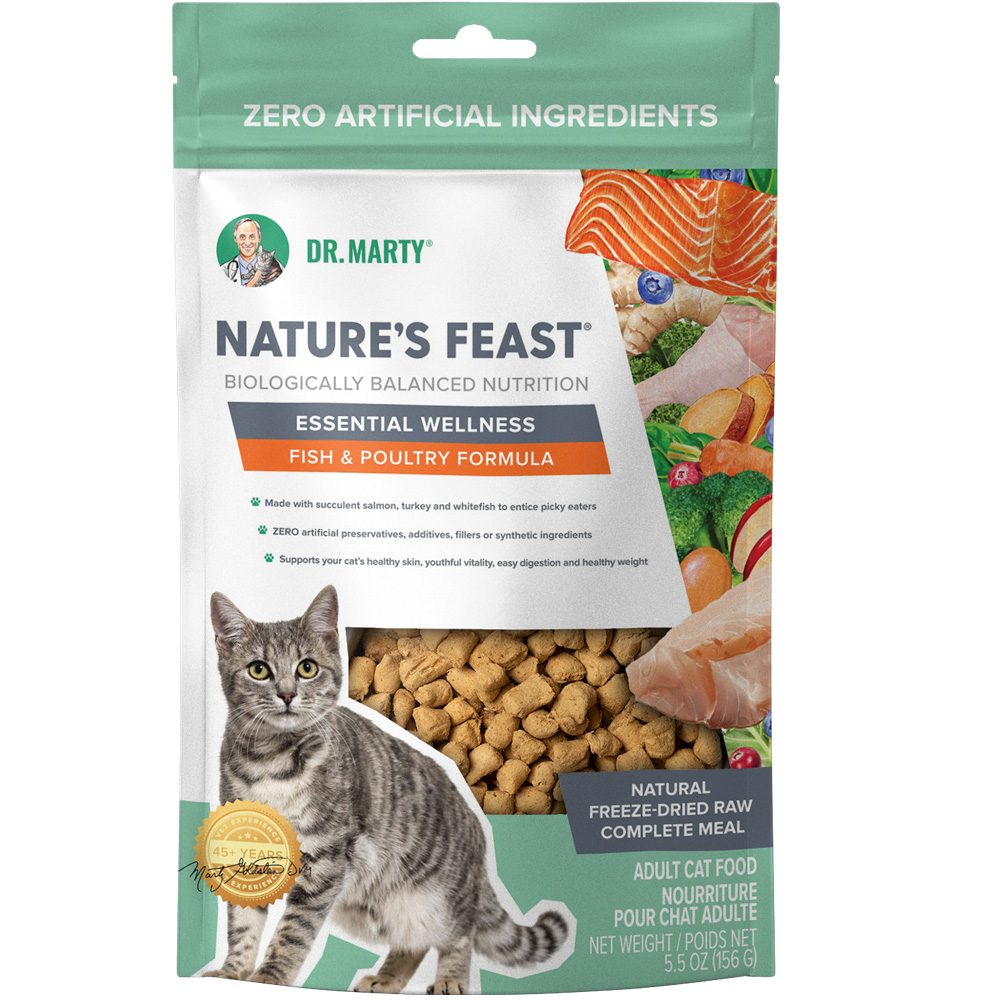
Treats can support bonding, training, or a calm experience during handling, but they should not displace a complete diet. Canned toppers, meat pastes, freeze-dried pieces, and plain cooked meat may be labeled for supplemental feeding rather than daily nutritional completeness. Human meals are often unsuitable because they contain salt, sauces, excess fat, or ingredients toxic to cats. Onion, garlic, alcohol, chocolate, caffeine, and some sweeteners should be kept away from cats. Even plain fish, chicken, or beef should remain a small addition rather than becoming the only food. Introduce unfamiliar items gradually and stop the item if vomiting, diarrhea, itching, appetite loss, or other concerning changes appear.
Homemade and raw diets require professional planning
A homemade diet may appear transparent because the caregiver selects every ingredient, but balancing feline nutrition requires more than combining meat and a supplement powder. Plain muscle meat is commonly short of the correct calcium balance and may not provide adequate taurine, vitamins, or trace minerals. Merck Veterinary Manual advises caregivers not to formulate a homemade diet independently; consultation with a veterinarian and, ideally, a board-certified veterinary nutritionist is appropriate. Raw feeding also introduces risks involving bacterial contamination, parasites, bones, storage, and kitchen hygiene. Freezing does not eliminate every hazard, and households with young children, older adults, pregnant people, or immunocompromised individuals should take extra care when handling raw animal products.
A practical feeding check for cat caregivers
A simple routine can make food decisions more consistent. First identify whether the product is a complete main diet or a supplemental item; then check the life-stage information, feeding instructions, calories, and manufacturer details. Adjust the daily amount according to body condition rather than allowing package recommendations to replace observation. When changing foods, transition gradually, and track appetite, stool quality, weight, water intake, and energy. A cat that refuses food for an extended period, vomits repeatedly, develops persistent diarrhea, or becomes unusually quiet should not be managed only by rotating flavors. General nutrition information is for education, while kittens, senior cats, and cats with medical conditions need individualized veterinary guidance. Responsible feeding means checking the whole diet, not simply choosing the product with the most appealing meat claim.