Choosing food for an indoor cat is not as simple as picking a bag labeled “weight control” or “low calorie.” A useful comparison should cover the formula’s purpose, protein sources, calorie information, intended cats, daily feeding method, and the cat’s current body condition. Cats that spend most of their time indoors may have fewer opportunities to move, while free-choice feeding can quietly add excess calories. The most practical approach is to evaluate the food and the feeding routine together, then monitor the cat rather than relying on packaging language alone.
Indoor living does not automatically mean weight loss food
“Indoor cat” describes a lifestyle, not a diagnosis or a guaranteed need for a weight-management diet. Some indoor adult cats maintain an appropriate body condition with measured portions and regular play, while others gradually gain weight because food is always available and activity is limited. Body weight by itself is not enough to determine whether a cat is overweight, since ideal weight varies with frame size and muscle mass. A veterinarian can combine body condition scoring with a physical assessment to determine whether a diet change is appropriate.
If a cat is clearly overweight, cutting the food portion in half or withholding food for long periods is not a safe do-it-yourself plan. Rapid weight loss or inadequate nutrition can create health risks, so a gradual plan is preferable. A food diary that includes dry food, wet food, treats, and table scraps can show the cat’s actual intake before changes are made. Cats with substantial excess weight, ongoing appetite changes, or other medical conditions should receive a veterinary assessment before starting a weight-loss program.
What to compare on a weight-control cat food label
Start by checking the complete nutrition statement, calorie information, life-stage suitability, and feeding directions. A weight-control formula is not intended to make a cat eat as little as possible; it should provide appropriate nutrition while the daily energy intake is managed. A low-calorie claim is not enough if the portion is never measured or if treats are added outside the plan.
| Comparison point | What to check |
|---|---|
| Formula purpose | Whether it is positioned for indoor living, low activity, or weight management |
| Intended cats | Adult cats, overweight adult cats, or cats with food-sensitivity concerns |
| Protein description | Whether animal protein or the main meat source is clearly identified |
| Calories and portions | Daily feeding guidance, calorie density, and whether portions can be weighed accurately |
| Acceptance | Whether the cat will reliably eat the food and maintain a consistent routine |
| Storage | Whether the product should be protected from moisture and direct sunlight |
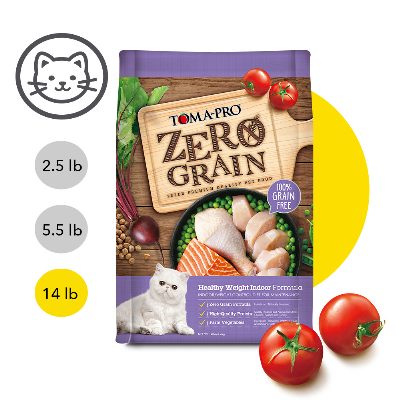
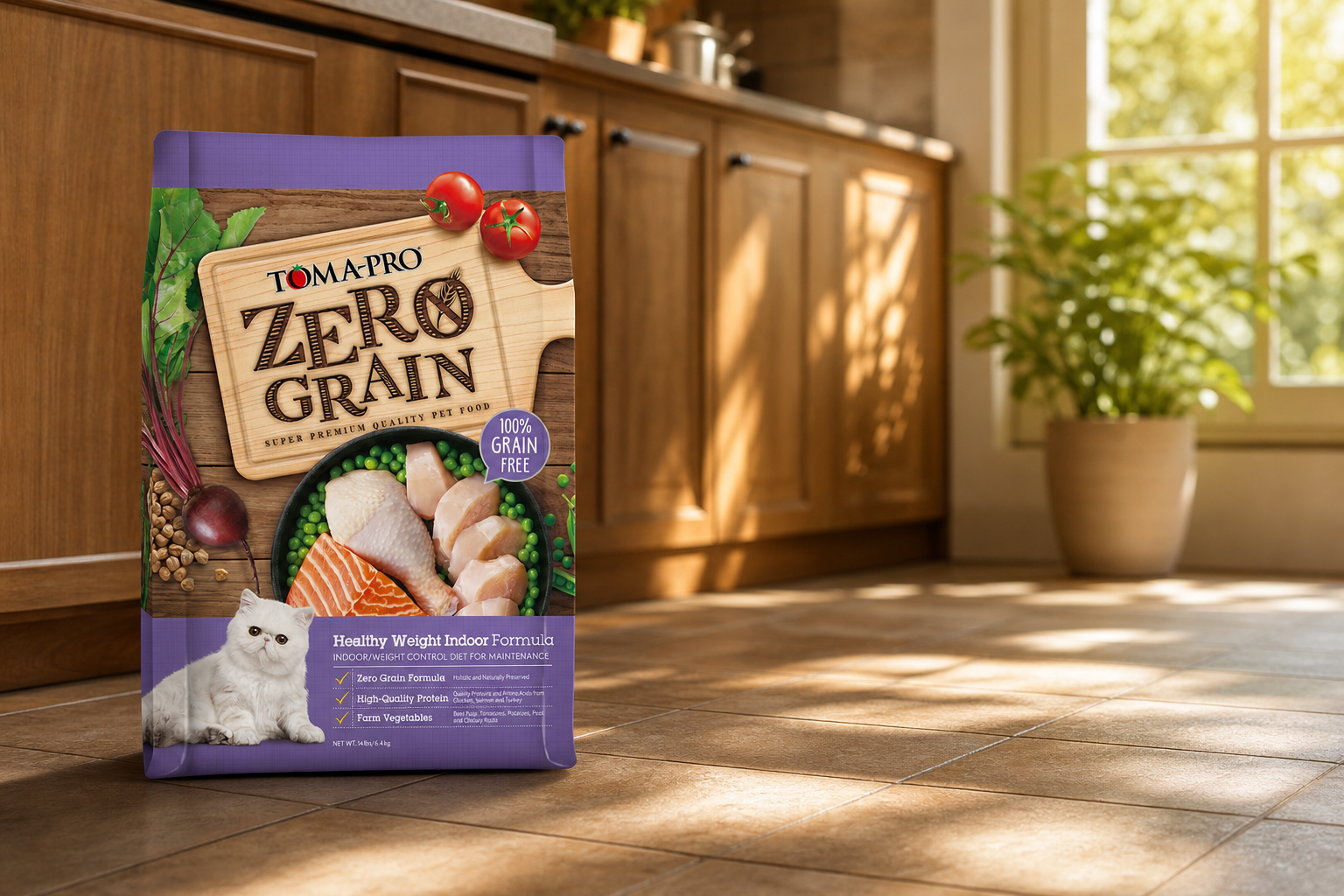
【優格】零穀系列-0%零穀室內貓體控管理(成貓專用雞肉配方) 14磅(6.35公斤)(貓飼料) is described for overweight adult cats and adult cats with food-sensitivity concerns. Its product information highlights a low-calorie formula, a grain-free formulation, multiple animal protein sources, five fruits and vegetables, and intestinal probiotics. The listed storage guidance is to keep it away from moisture and direct sunlight, while the expiration date should be checked on the package. These details provide a starting point for comparison, but the actual daily amount still needs to match the individual cat’s condition.
Where this formula may fit
【優格】零穀系列-0%零穀室內貓體控管理(成貓專用雞肉配方) 14磅(6.35公斤)(貓飼料) may fit households looking for an indoor adult-cat formula with a weight-management focus and a grain-free positioning. The product information identifies overweight adult cats and cats with sensitivity concerns as intended users, while describing animal protein sources, five fruits and vegetables, and intestinal probiotics. For a low-activity cat that spends most of its time at home, a clearly stated product purpose can make the initial screening process more organized than choosing only by brand familiarity.
【優格】零穀系列-0%零穀室內貓體控管理(成貓專用雞肉配方) 14磅(6.35公斤)(貓飼料) does not mean every cat needs the same formula, and it does not remove the need to manage total calories. If a cat has no known food-related concern, the decision should still consider life stage, body condition, activity, and willingness to eat. Introduce a new food gradually and observe appetite and stool quality, especially when the cat has previously experienced digestive upset. Store the product in a dry place away from sunlight and follow the package directions after opening.
Portion control matters as much as the formula
A common mistake is to switch to a weight-control food but continue leaving unlimited food out all day. Even a formula described as low calorie can contribute to weight gain when the daily amount, treats, wet food, and extra family feeding are not counted together. Weighing the full daily portion with a kitchen scale is usually more precise than using a cup, because different kibble shapes and densities can make volume measurements inconsistent.
Begin with the package feeding guidance or a veterinarian’s plan, then adjust gradually according to body weight and body condition. Include every treat, lickable snack, and shared household food in the daily intake. If the cat prefers several small meals, divide the measured daily portion into multiple servings or use a puzzle feeder without adding extra food. A cat that stops eating for an extended period, becomes unusually lethargic, vomits repeatedly, or loses weight rapidly should be evaluated by a veterinarian rather than placed on a stricter diet at home.
Transitioning and monitoring the plan
Change foods gradually by starting with a smaller proportion of the new food and increasing it as the cat accepts the taste and texture. A common structure is to begin with about one-quarter new food, then increase the proportion step by step while observing appetite and stool quality. Cats with a history of digestive upset or strong food preferences may need a slower transition. When two foods are mixed, calculate the total daily portion first so that combining them does not accidentally increase the amount fed.
Monitoring should include more than the number on the scale. Observe waist definition, the feel of the ribs, abdominal fat, grooming, movement, and interest in play. Home weighing can be done at consistent times, with the frequency adjusted according to the veterinary plan; monthly checks may be reasonable for routine monitoring, while an active weight-management program may require closer follow-up. Rapid changes, persistent refusal to eat, or a marked decline in energy warrant professional advice.
Choosing according to the cat’s situation
For an indoor cat with an appropriate body condition, prioritize a complete adult diet, clear calorie information, manageable portions, and a routine that the household can follow. For an overweight cat, first confirm that a weight-control formula is suitable, then coordinate calories, treats, feeding times, and activity rather than relying on a food switch alone. If food sensitivity is a concern, share the ingredient list and the cat’s previous reactions with a veterinarian instead of treating “grain-free” as a universal answer.
【優格】零穀系列-0%零穀室內貓體控管理(成貓專用雞肉配方) 14磅(6.35公斤)(貓飼料) can be considered for overweight adult cats, low-activity indoor adult cats, or households comparing a grain-free, low-calorie positioning. The product information lists Canadian origin, multiple animal protein sources, five fruits and vegetables, and intestinal probiotics. Before choosing it, verify the package information, confirm that the cat will eat it consistently, and make sure the daily portion and storage requirements are practical. This information is for general reference; cats with significant weight gain, appetite loss, or existing illness should be assessed by a veterinarian before changing food or beginning a weight-management plan.
The information in this article is for reference only and does not constitute professional advice. For specific decisions, please consult a relevant professional based on your personal situation.