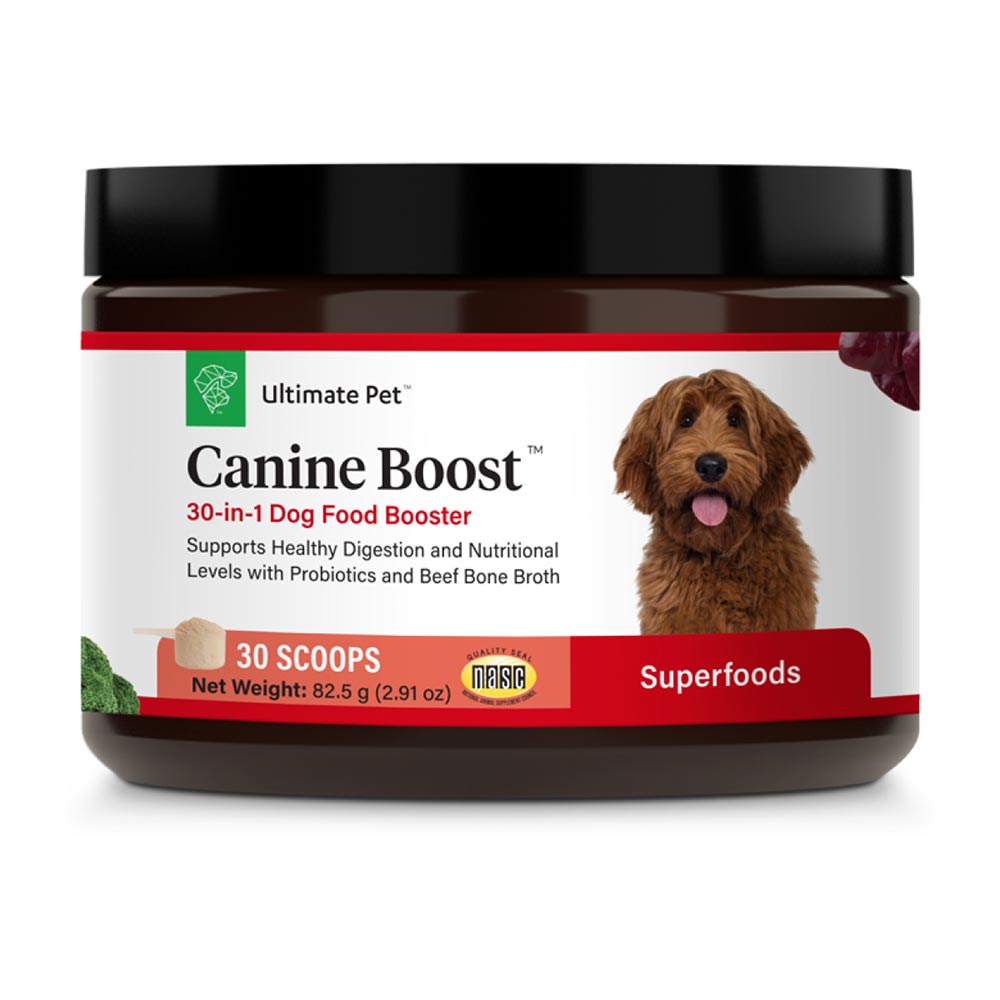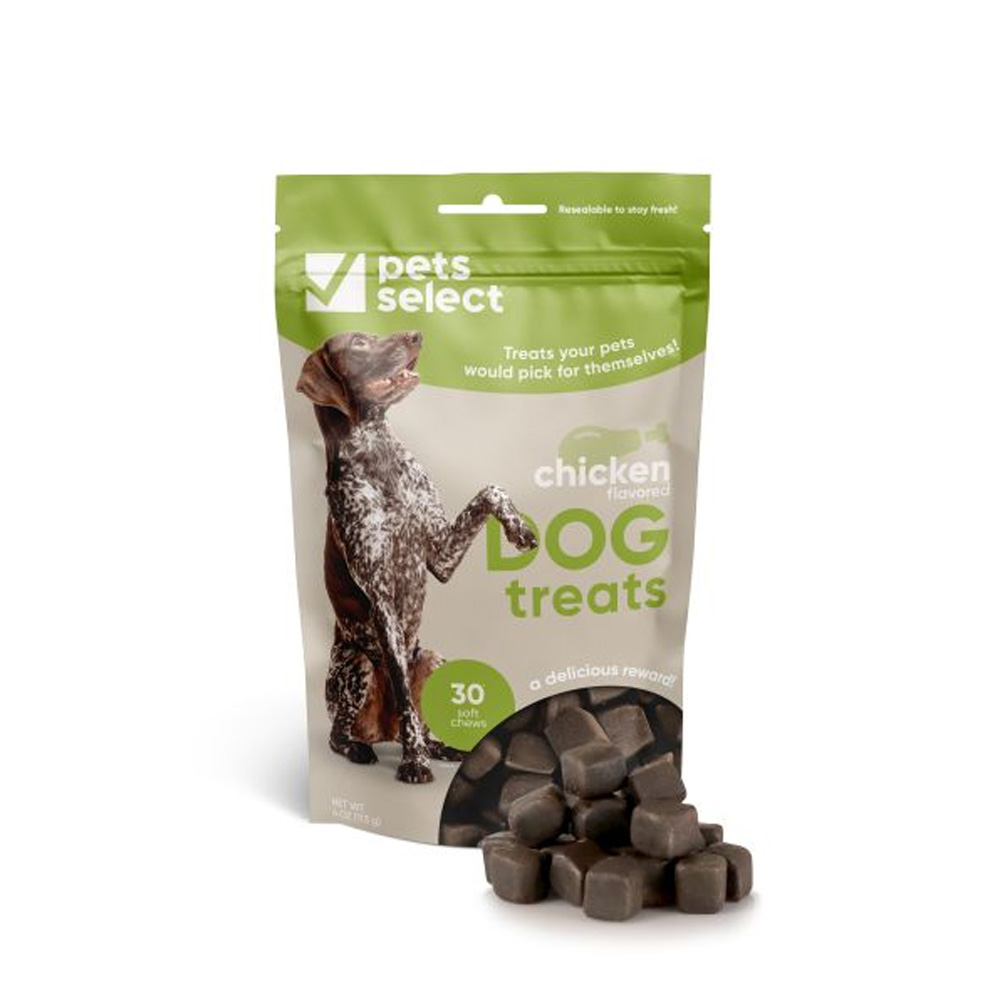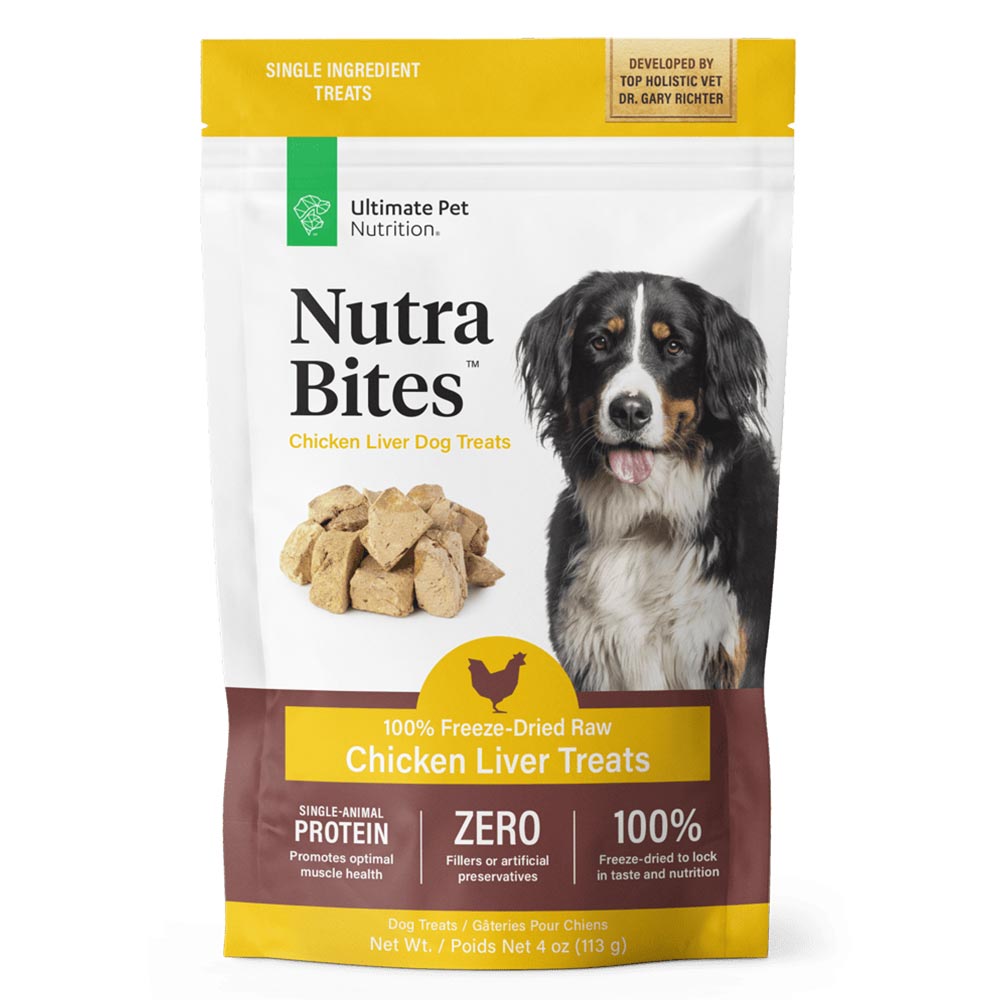
Choosing TOMA-PRO pet food is less about picking the series with the most impressive wording and more about matching the formula to a dog or cat’s age, species, activity level, digestion, and household budget. The Classic, Grain-Free, and Qinqin lines can differ in grain use, protein sources, life-stage positioning, and formulas marketed for sensitive digestion. Each line may also include separate dog and cat recipes, so a package color or phrase such as “high meat” is not enough to make a sound choice. This guide approaches the comparison from a practical owner’s perspective, explaining what each line is designed to do, who may find it useful, what limitations to keep in mind, and how to transition gradually without creating unnecessary digestive stress.
The basic difference: positioning is not a quality ranking
The Classic line generally sits in the everyday-food category, with recipes that may use grains such as rice and are divided by species, age, or activity level. Grain-Free recipes avoid common grains and may use peas, chickpeas, lentils, or potatoes as alternative carbohydrate sources; grain-free does not automatically mean hypoallergenic or nutritionally superior. Qinqin recipes commonly emphasize multiple animal proteins, grain-free options, or formulas intended for sensitive digestion, but the exact ingredients and nutrient profile can vary from one product to another.
A useful starting point is to think of Classic as an everyday and budget-conscious option, Grain-Free as a grain-exclusion format, and Qinqin as a line with more specialized recipe directions. Those labels only narrow the search; they do not replace reading the back of the bag. A dog or cat’s stool quality, appetite, body condition, and tolerance after feeding are more meaningful than a series name. If a pet has ongoing gastrointestinal, skin, urinary, kidney, or pancreatic concerns, the food decision should be discussed with a veterinarian rather than based only on marketing language.
Classic: practical everyday feeding and budget control
The Classic line is often an accessible starting point because it is widely available and commonly offered in several bag sizes. Depending on the recipe, the ingredient list may include chicken, chicken meal, rice or other grains, fiber sources, yeast, quinoa, and added vitamins and minerals. For a healthy adult dog or cat with stable appetite and normal stools, a properly matched Classic recipe can be considered as an everyday complete-food candidate.
The trade-off is that it may not fit a household specifically looking for grain-free food, a single-animal-protein recipe, or tighter control of fat and mineral intake. Indoor cats, for example, still need portion control even when a recipe is labeled for indoor living; small dogs may need a kibble size they can comfortably chew. Classic is most useful when the owner compares price, availability, life stage, and feeding response together, rather than treating the line as a universal answer for every pet.
- Good fit: healthy pets needing an everyday food with accessible pricing and availability.
- Check carefully: grain sources, main proteins, kibble size, calorie information, and feeding directions.
- Avoid assuming: a familiar series name means every recipe in the line has the same formula.
Grain-Free: a formulation choice, not an automatic upgrade
The central feature of Grain-Free recipes is the absence of common cereal grains. Alternative carbohydrate ingredients may include peas, lentils, chickpeas, or potatoes, so grain-free does not mean carbohydrate-free. It also does not automatically mean a pet will digest the food better, because individual reactions can involve chicken, fish, eggs, legumes, or other ingredients rather than grains themselves.
When comparing a Grain-Free recipe, check the species and life stage first, then review the protein sources, fat, fiber, calcium, phosphorus, and calorie information. Cat owners should confirm that the product is formulated for cats and includes appropriate feline nutrients such as taurine; puppy and kitten owners should select a recipe suitable for growth rather than choosing solely because it is grain-free. If a pet is already thriving on a grain-inclusive food, there is no general need to change it simply because grain-free formulas are popular. Any transition should be gradual, with attention to stool, appetite, vomiting, and body weight.
Qinqin: more detailed protein and sensitive-digestion options
Qinqin recipes commonly feature multiple animal proteins, grain-free formats, or positioning for sensitive digestion. Some cat formulas may list chicken, cod, herring, turkey, or other meat and fish ingredients, together with fish oil, chicory root, probiotics, or vegetable ingredients. These details are useful comparison points, but “more meat” alone does not prove that a recipe is a better match. A multi-protein formula can also make ingredient troubleshooting more difficult if a pet needs a simple elimination approach.
Qinqin may suit owners who want to compare protein sources more closely or who are looking beyond a basic everyday formula. Even when a bag says “sensitive digestion” or “low fat,” owners should confirm that it is a complete food for the correct species and life stage and follow the feeding guide. Senior pets and animals with a history of kidney, pancreatic, or gastrointestinal disease should not be switched based only on a low-fat or high-protein phrase. The line offers more targeted directions, but the recipes should not be treated as nutritionally identical.
Choosing by situation: beginners, sensitive pets, and multi-pet homes
A new owner can begin with the pet’s current food, age, weight, activity, daily portion, and stool quality. For a healthy adult dog or cat without a known ingredient restriction, Classic is often the simplest starting category; Grain-Free can be considered when the household has a clear reason to avoid grains; Qinqin is worth comparing when protein variety or a sensitive-digestion direction matters. The best choice is the recipe the pet can eat consistently while maintaining an appropriate body condition.
Multi-cat homes do not always need one bag for every animal. Kittens, adults, seniors, and low-activity indoor cats may have different requirements, and feeding separately may be necessary. Storage also matters in a small home: a large bag may have a lower price per kilogram but create waste if it cannot be finished while fresh. Dogs and cats should not be placed on each other’s food as a long-term routine because their nutrient designs differ, even though occasional accidental eating is a separate issue.
Transition and long-term cost: calculate beyond the bag price
Whether moving from Classic to Grain-Free or from Grain-Free to Qinqin, gradual transition is preferable to replacing the entire meal overnight. Owners can introduce the new food step by step and extend the observation period for pets with sensitive digestion. Track stool, appetite, vomiting, water intake, itching, energy, and body weight. Persistent diarrhea, repeated vomiting, refusal to eat, or marked lethargy calls for veterinary advice, especially in puppies, kittens, seniors, or pets with previous medical conditions.
Long-term cost includes more than the shelf price. Compare the price per kilogram with the estimated number of feeding days, then consider bag size, storage losses, and the cost of toppers, wet food, or treats if the pet refuses the kibble. A less expensive recipe that is finished consistently may create less waste than a pricier bag that sits open and is eventually discarded. Conversely, if a pet has stable digestion and appetite on one formula, frequent changes for novelty may add cost and uncertainty without a clear benefit.
A practical decision order for choosing among the three lines
No single TOMA-PRO line is right for every dog or cat. A sensible order is to confirm species, age, and complete-food status; rule out known problem ingredients; compare protein sources, fat, fiber, and mineral information; and only then weigh price, bag size, and availability. Classic generally emphasizes everyday use and budget balance, Grain-Free focuses on avoiding grains, and Qinqin offers more varied or targeted recipe directions. These are positioning differences, not a simple ranking from lowest to highest.
Before buying, take a photo of the ingredient list and guaranteed analysis and compare it with the current food at home. Keeping some of the old food available makes a gradual transition easier and gives the owner a reference point if the pet reacts poorly. If digestive signs continue, weight changes unexpectedly, or an existing condition is involved, product comparisons are general information only and a veterinarian should assess the pet’s individual needs.