Grain-free dog food is not automatically higher quality, healthier, or a better fit for every dog. For most pets, the more useful questions are whether the recipe is complete and balanced for the right life stage, whether the manufacturer can explain its quality controls, and how the dog responds over time. Grain-free recipes commonly replace corn, wheat, rice, or barley with potatoes, peas, lentils, or other starches. The label describes what is absent; it does not prove that the food contains more protein, is hypoallergenic, or is easier to digest.
First clarify what grain-free does and does not mean
Many owners associate grain-free food with natural ingredients, ancestral feeding, or sensitive-stomach support. Those impressions should not replace a careful nutrition review. A true food allergy may involve a specific protein source rather than grains, and recurring itching, ear problems, vomiting, or diarrhea deserve veterinary assessment instead of repeated unsupervised food changes. A grain-free formula can still contain several legumes, legume flours, potato ingredients, and concentrated plant proteins, so the complete ingredient list matters.
The U.S. Food and Drug Administration has investigated reports of canine dilated cardiomyopathy involving certain diets. In the reported cases, peas, lentils, other legumes, or potatoes often appeared among the early ingredients, but the available information does not mean that every grain-free food is unsafe or that one ingredient explains every case. FDA also reports cases associated with both grain-free and grain-containing diets. Dogs with heart disease, relevant breed risk, or unusual symptoms should have their diet reviewed with a veterinarian before a major change.
Check one: confirm nutritional adequacy and life stage
The most important label information is whether the food is intended to be complete and balanced for the dog’s life stage. Puppies, adult dogs, seniors, pregnant dogs, and nursing dogs do not all have the same nutritional needs. Large-breed puppies may require especially careful control of calories and mineral intake during growth. A product intended only for intermittent or supplemental feeding should not become the sole daily diet.
The World Small Animal Veterinary Association recommends looking beyond marketing phrases and the first listed ingredient when choosing pet food. A practical label check includes:
- The intended species, life stage, and size category.
- A clear complete-and-balanced statement and the nutritional standard or feeding-trial basis.
- Calorie information, feeding guidance, and manufacturer contact details.
- A batch number, best-before date, storage guidance, and traceable source.
Check two: read the whole ingredient list, not just the first meat
Ingredients are listed by weight, and the first few entries cannot tell the whole nutritional story. Fresh meat contains substantial water before processing, while meat meals are more concentrated protein ingredients; neither should be judged by name alone. Compare the animal-protein sources, legumes, starches, fat sources, fiber, calorie density, and guaranteed analysis together rather than assuming that a recipe is automatically superior because chicken or beef appears first.
Grain-free products deserve a closer look when peas, pea protein, pea starch, lentils, or potatoes appear in several forms. This pattern does not by itself prove that a food is unsuitable, but it gives owners a reason to compare the full formula and monitor the dog. Gas, soft stools, weight gain, or persistent hunger may relate to calorie density, fat, fiber, feeding quantity, or the individual dog rather than the simple presence or absence of grains.
Check three: evaluate manufacturer transparency and quality control
Dog food quality is not determined by attractive packaging or premium-sounding ingredient names. A transparent manufacturer should be able to explain who formulates the diet, how raw materials are tested, where the product is made, how finished batches are checked, how samples are retained, and how complaints or recalls are traced. If a website focuses on ancestral claims and meat imagery but provides little information about nutrient analysis, manufacturing, or customer support, owners should be cautious.
Compare the package, official website, and customer-service answers before buying. Imported foods may have different regional labels, distributors, or feeding instructions, and online purchases add storage and shipping considerations. A large bag may have a lower price per kilogram, but a smaller bag is often a safer first purchase when the dog has not tried the recipe. That approach limits waste if the pet refuses the food or develops digestive upset.
Check four: include the dog’s real-world response
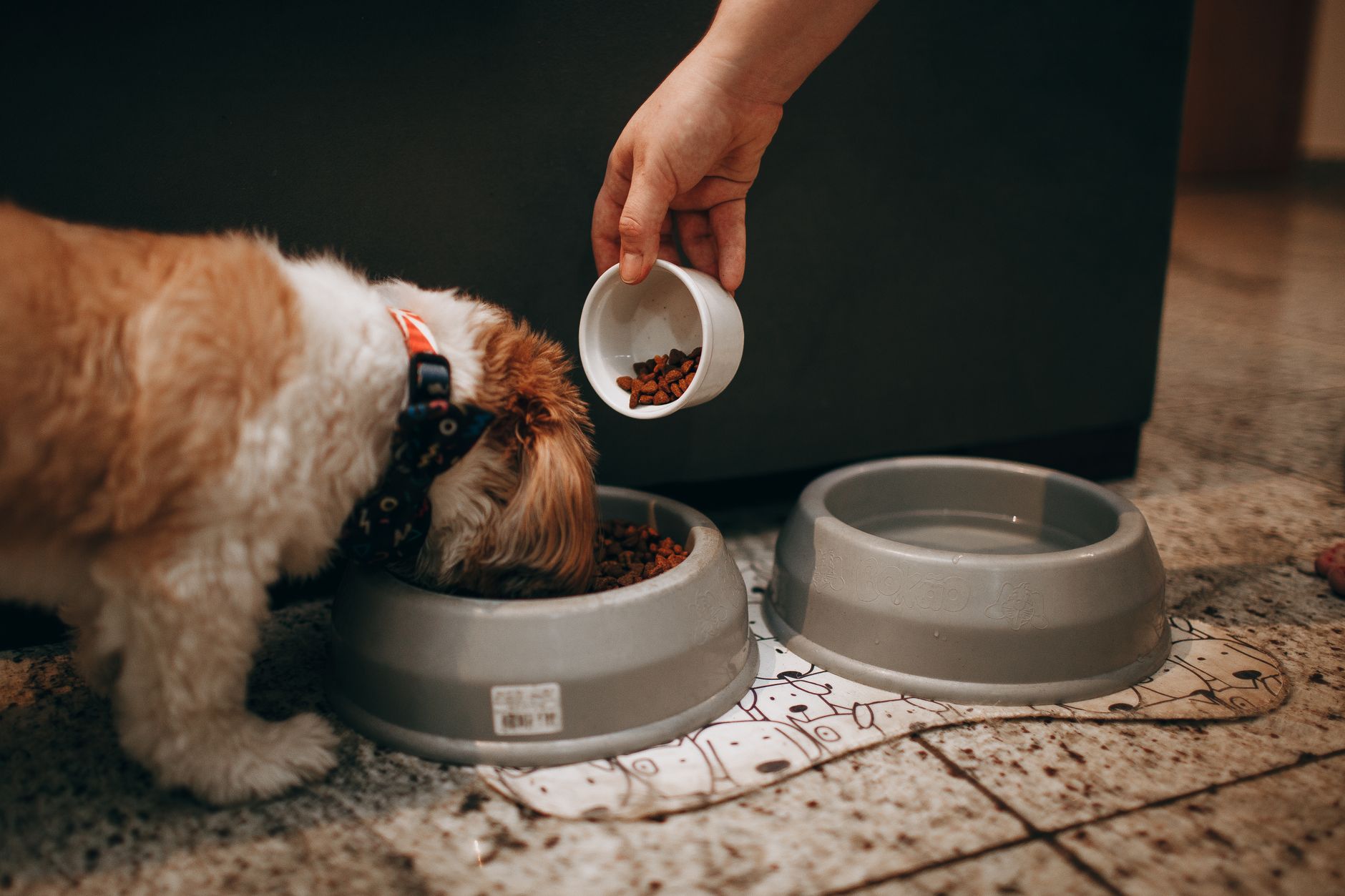
A food is not a good match simply because its ingredient panel looks impressive. Before changing diets, record the dog’s body weight, daily portion, stool quality, bowel frequency, itching, water intake, appetite, and activity. Continue observing after the transition rather than judging the food from one meal or one day. A change in stool volume or firmness does not automatically prove better absorption; fiber, minerals, fat, hydration, and feeding quantity can all affect the result.
Introduce a new food gradually by mixing it with the current diet. Puppies, senior dogs, dogs with chronic conditions, and pets with a history of severe digestive reactions may need a more cautious plan guided by a veterinarian. Persistent vomiting, diarrhea, marked appetite loss, low energy, breathing changes, or reduced exercise tolerance are reasons to stop experimenting at home and seek veterinary care. Food selection should support medical care, not replace diagnosis.
Check five: compare the situation and long-term cost
For many healthy adult dogs, both grain-inclusive and grain-free foods can be reasonable options when the formula is complete and balanced, the dog maintains an appropriate body condition, and the manufacturer is transparent. If a dog has no confirmed dietary requirement, switching solely because grain-free food is fashionable may add cost without solving a defined problem. Dogs with suspected food reactions, chronic disease, growth needs, or senior-care concerns should be evaluated according to a specific nutritional goal.
Create a simple comparison sheet before purchasing. Include price per kilogram, calories per cup or gram, daily feeding amount, protein and fat levels, stool response, acceptance, package size, and shelf life. A more expensive bag may not cost more per day if the calorie density changes the portion, while a grain-free formula may not provide the same feeding experience simply because it contains no grains. Starting with the dog’s needs is more practical than treating “with grains” and “grain-free” as a universal contest.
A sensible order of priorities is to confirm life stage and nutritional adequacy, compare calories and guaranteed analysis, read the complete ingredient list, assess manufacturer transparency, and then monitor the dog’s response against the household budget. Grain-free is one formulation choice, not an automatic advantage or a universal warning sign. Owners of dogs with heart, kidney, digestive, or allergy concerns should bring the package label, daily feeding amount, treats, and supplements to a veterinarian so the diet can be judged in the context of the individual pet.