Food bowls are part of a pet’s daily routine, yet many owners only check whether a bowl can hold kibble and water. In reality, bowl choice influences how comfortably a dog or cat eats, how easy it is to keep the feeding area clean, and even how safe the floor is for people walking by. A well-chosen bowl can reduce spills, fit the pet’s body size and eating style, and match the layout of the kitchen or living room. A poor choice may leave water puddles and scattered food on the floor day after day. This article walks through slow feeder bowls, anti-spill features and material differences to help owners think through their options. All information is general in nature and for reference only; for health-related decisions, advice from a veterinarian or qualified professional is recommended.
Why bowl choice matters: eating habits and household safety
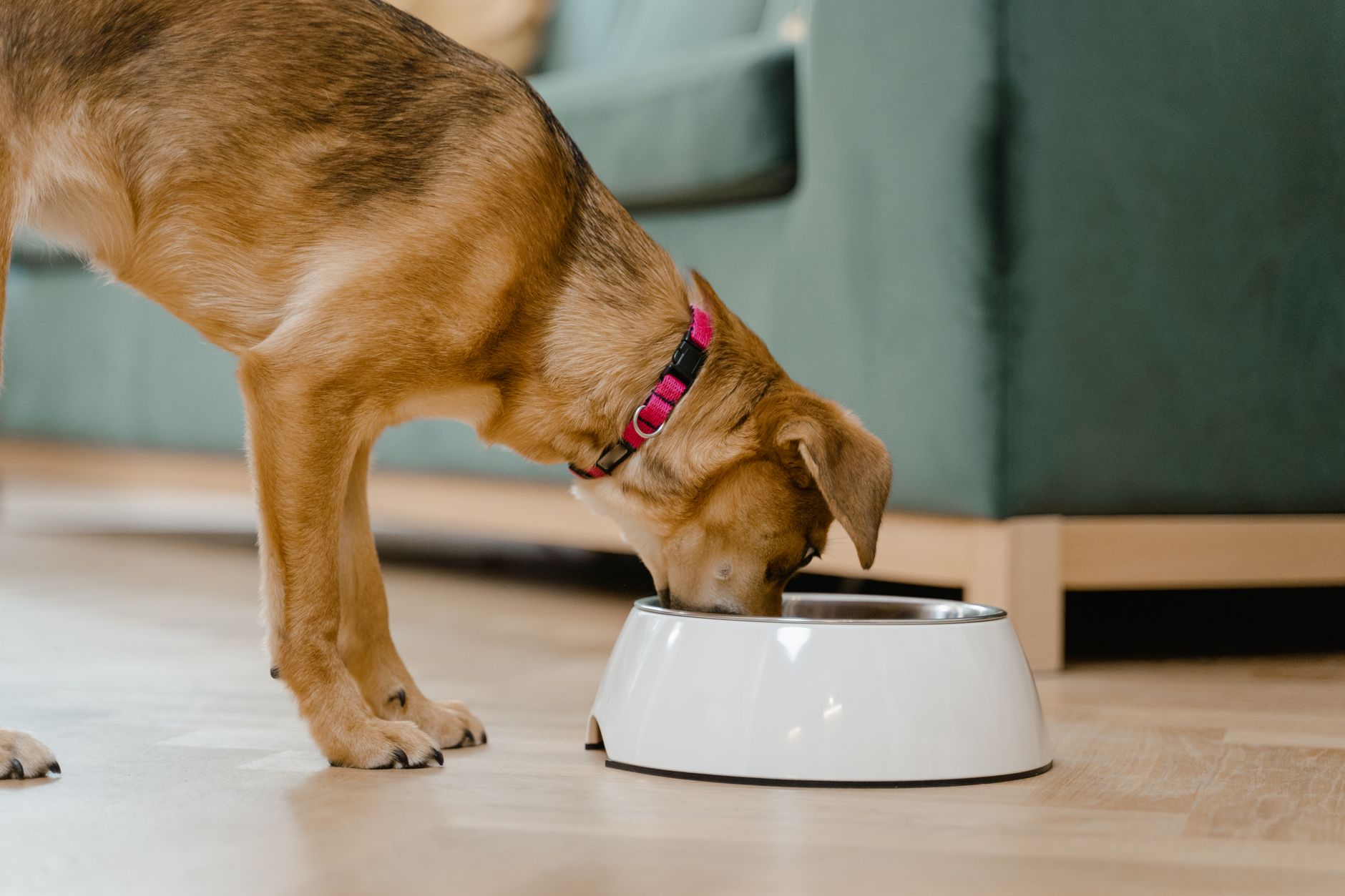
Dogs and cats have very different eating styles. Some dogs inhale their meals in seconds, while others take their time chewing; some cats nibble quietly in one spot, while curious cats prefer wandering and snacking. Bowl shape and height affect posture and rhythm at mealtime. A tall dog eating from a bowl placed too low may need to bend more than is comfortable as it ages, whereas a cat forced to press its whiskers against steep bowl edges might simply avoid that spot. From a household perspective, a bowl that slides around or tips easily can leave regular trails of kibble and water on the floor, attracting insects and making the area slippery. Looking at bowl choice as part of responsible ownership means considering comfort for the animal as well as cleanliness and safety for everyone sharing the space.
Slow feeder bowls: which dogs benefit and how to use them
Slow feeder bowls are designed primarily for dogs that eat very fast and tend to gulp down large mouthfuls. Raised ridges, maze patterns or pillar-like obstacles inside the bowl spread kibble into smaller pockets, encouraging extra chewing and slowing down the pace. However, not every dog needs this type of bowl. A naturally relaxed eater may feel frustrated if the pattern is too complex, and some owners find that their dog simply walks away instead of finishing a meal. Before buying a slow feeder, it helps to observe mealtimes for a few days and ask whether speed is actually a problem or just looks fast compared to human expectations. Face shape matters too: flat-faced breeds often do better with wider openings and lower obstacles. Behaviour or health concerns related to eating should be discussed with a veterinarian; the points in this guide are provided as general information rather than individual medical recommendations.
Anti-spill and non-slip designs: matching playful pets and home flooring
For households with energetic dogs that paw at their bowls or cats that enjoy batting at water dishes, anti-spill features are worth a closer look. Common solutions include bowls with rubber rings on the base, extra-heavy bottoms and designs that clip into a stand or mat. Rubber rings help bowls grip smooth tile or laminate floors, reducing skidding when a dog pushes forward while eating. Heavier bases are especially useful for medium and large dogs whose enthusiasm can send lightweight bowls sliding across the room. Some cat owners prefer shallow bowls with wide bases to resist tipping when paws explore the edges. When choosing, it is helpful to imagine daily movement in the feeding area: children running, multiple pets, or a narrow hallway may call for sturdier setups. Even the best anti-spill design does not replace regular cleaning or supervision, but it can make everyday feeding noticeably less messy.
Material differences: stainless steel, ceramic, plastic and silicone
Material choice is one of the most practical questions owners ask. Stainless steel bowls are widely appreciated for being durable and relatively resistant to retaining strong food odours, which suits daily washing and occasional bumps on hard floors. Ceramic bowls tend to be heavier and come in many colours and patterns, making them popular for kitchen feeding corners, but chips or cracks should be taken seriously and damaged bowls replaced. Plastic bowls are lightweight and often inexpensive; however, scratched surfaces can trap residue that is harder to clean, so owners usually need to inspect them more often. Silicone and foldable travel bowls are convenient for walks, road trips or park visits because they pack flat and do not break easily, though they may slide more unless paired with a mat. When comparing materials, it is useful to weigh cleaning habits, the risk of drops and the pet’s personality. Questions about specific materials and individual sensitivities are best addressed with a veterinarian, and the descriptions here are intended as general guidance only.
Bowl height and size: adjusting for body type and age
Bowl height and size are easy to overlook yet play a role in mealtime comfort. Many medium and large dogs eat more naturally when the bowl rim is raised rather than placed directly on the floor, so adjustable stands are common in homes where dogs are past their puppy stage. A height that roughly aligns with the lower chest or shoulder area often allows a more neutral neck position, rather than a deep downward bend. Cats may not need stands as tall, but slightly elevated bowls can make eating feel easier, especially for older cats. Some designs tilt the bowl so food gathers at the front for convenient access. Bowl size also matters: very large bowls may spread kibble into a thin layer that encourages chasing food around, while extremely small bowls can crowd the muzzle. For senior pets or animals with specific medical conditions, any change in height or setup should be discussed with a vet, since overall posture and comfort are part of broader health decisions.
Cleaning routines and replacement: keeping the feeding area hygienic
No bowl material or design can compensate for poor hygiene. Rinsing and washing bowls after each meal, using appropriate cleaning products and allowing them to dry fully, helps limit buildup of grease and residue. Owners who use dishwashers need to confirm whether the bowl material tolerates heat and typical detergents. Coated ceramics or decorated surfaces may require extra attention so that flaking or fine cracks are noticed early. Plastic and silicone bowls should be checked for warping, discoloration or lingering odours, which might signal that replacement is due. Periodically examining rims, bases and inner surfaces is a simple habit that supports a cleaner feeding corner and may make the area more pleasant for the pet as well. The hygiene advice in this section is general; if an owner is concerned about infections, allergies or other health risks, a veterinarian or medical professional can provide case-specific guidance, and the article should only be used as a starting point for questions.
Bringing it together: choosing a bowl setup that fits your pet and home
There is no single “right” pet bowl that suits every dog or cat. Instead, owners can think of bowl choice as building a small setup tailored to their household: perhaps a heavy, non-slip water bowl in the kitchen, a simple stainless steel food bowl on a stand, plus a silicone travel bowl kept near the leash. Personal observation is key. If a dog consistently paws at a certain bowl, or a cat avoids eating near a busy doorway, those behaviours offer clues about what to adjust. The aim is not to follow trends blindly but to combine stable placement, appropriate height, suitable material and regular cleaning into an arrangement that works in everyday life. All suggestions in this article are offered as general information and do not replace professional evaluation. For concerns involving pain, digestion, posture or other health topics, owners are encouraged to seek advice from a veterinarian and treat online guides as complementary reference only.