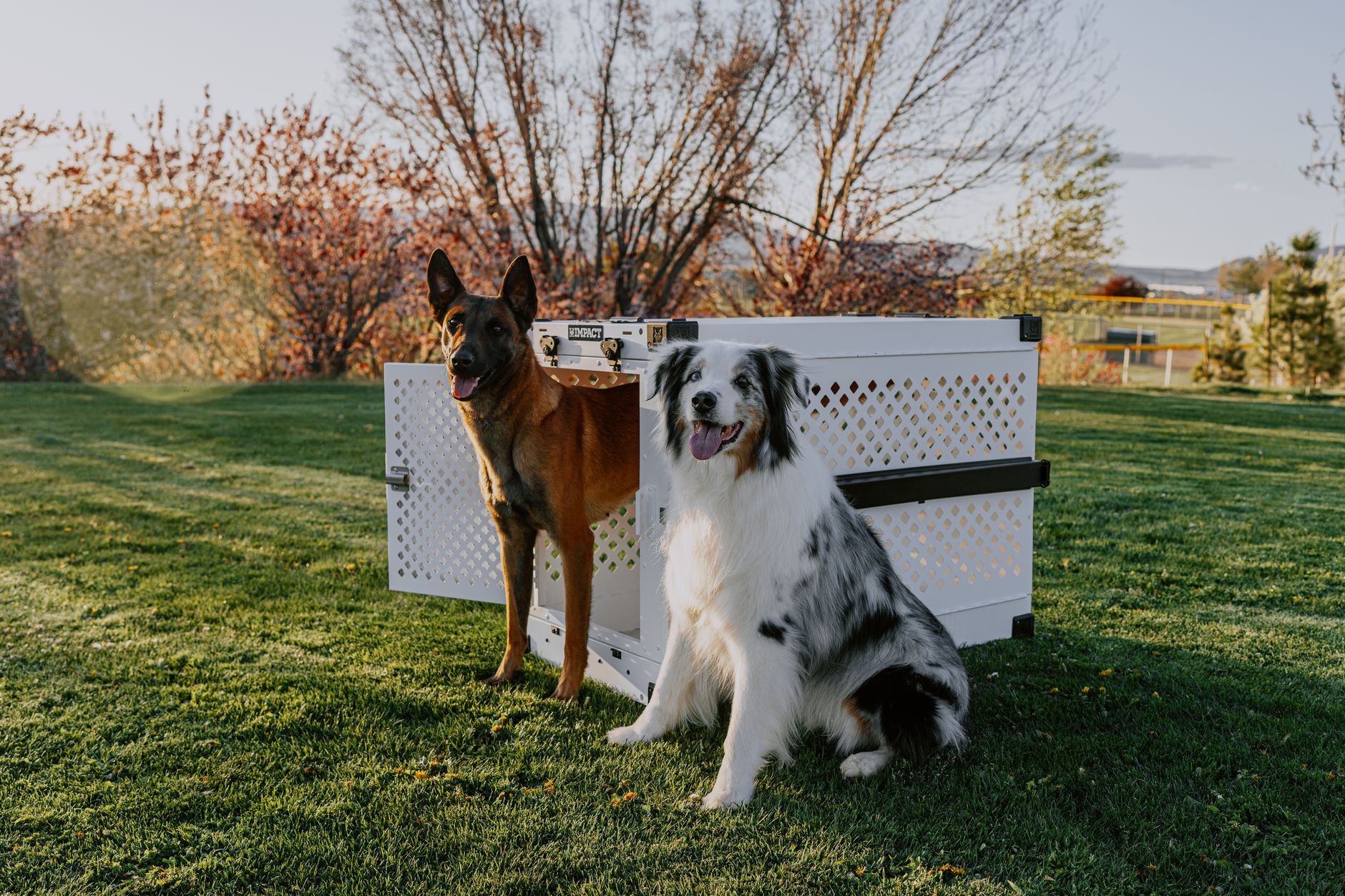
For many families, the travel crate is the first and last line of protection whenever a dog or cat leaves home, whether it is for a routine vet check, a short car ride, or an unexpected hospital stay. Problems usually appear only at the worst moment: the carrier is too small, the latch feels flimsy, or the whole crate is so heavy that nobody can safely lift it. In reality, a bit of planning around body size, main purpose, and likely travel scenarios already reduces a lot of avoidable risk. This article walks through key points such as sizing, structural design, transport rules, and everyday training, so pet owners can make responsible choices. All information is general in nature and does not replace professional veterinary advice.
Clarify the main purpose before shopping
Before comparing brands or colors, it helps to be very clear about how the crate will be used most of the time. Many indoor cats and small dogs only leave home a few times a year for vaccinations, minor illnesses, or grooming, usually on short car or taxi rides. In these cases, a carrier that is easy to carry, stable on the clinic floor, and gives enough visual cover is often more important than advanced features. On the other hand, families who drive long distance several times a year, rely heavily on trains or buses, or plan domestic flights need to look at sturdier structures and check size rules set by transport operators. Some households end up using one lightweight soft carrier for quick appointments and a second, larger hard crate for long trips. Listing out the most realistic scenarios over the next year makes it easier to decide whether one all‑round crate is enough or a two‑crate setup will be more practical.
Match crate size to body length, height, and growth
A common mistake is to choose a crate that a pet can barely fit into, with no extra room to move. For most dogs and cats, a better guideline is that they should be able to stand without their head constantly touching the roof, turn around without being squeezed against the walls, and lie on their side with the spine relatively straight. Owners can measure nose‑to‑tail‑base length, shoulder height, and body weight, then compare those numbers with the size ranges suggested by manufacturers, always remembering that a bed or pee pad will occupy some space. Kittens and puppies grow quickly, so a crate that feels roomy today may become cramped within months; in these cases, either choose a size that allows for growth or be prepared to upgrade later. It is also important to consider the human side: very large hard crates with a medium or large dog inside can be extremely heavy and may require two adults or wheels to move safely. Balancing the animal’s comfort with what caregivers can realistically lift and secure will make future trips safer and less stressful.
Hard crates, soft carriers, and strollers: structure and storage
Most products on the market fall roughly into three categories: hard plastic or fiberglass crates, soft fabric carriers, and pet strollers. Hard crates offer strong structural support, resist deformation when placed on a car seat or clinic floor, and are often favored for anxious or powerful animals that may lunge or scratch. Soft carriers are lighter, easier to store in small apartments, and often look more stylish, but owners should check that the base panel is firm, the seams are reinforced, and the zippers stay closed under pressure. Some designs fold flat, which is convenient but can trade off against rigidity. Strollers are helpful for long walks, multi‑pet households, and older guardians who cannot carry heavy loads; however, many vets still recommend having a proper crate or at least a secure harness inside the stroller, especially in busy streets or on public transport. When comparing these types, it is worth thinking not only about the pet’s comfort but also about how the crate will be handled in waiting rooms, parking lots, elevators, and other tight spaces.
Ventilation, latches, and visual cover to reduce escape and stress
Details such as ventilation holes, door design, and locking mechanisms make a big difference to safety but are easy to overlook in the store. Good airflow is essential for temperature control and for dogs and cats that pant or breathe faster when under stress. Carriers that are almost completely closed may trap heat and odors, while designs that are too open can overwhelm shy animals with visual and sound stimuli. A balanced layout often means generous side and rear vents plus a front door and, sometimes, a top opening that can be partially covered with a light cloth when needed. As for security, crates with two‑step latches, sliding bolts, or additional clips are generally more reliable than single plastic hooks that can pop open if the crate is dropped or bumped. Some cats learn quickly how to push simple latches with their paws, so it is worth testing by gently shaking and pushing on the door. If car travel is part of daily life, look for crates with belt loops or anchor points so they can be secured to the seat, reducing the risk of the crate becoming a projectile in sudden braking.
Adjust to transport rules: car, public transport, and flights
Transport rules differ widely between private cars, taxis, buses, trains, and airlines, so owners who travel regularly benefit from checking regulations before buying. In cars, many veterinary professionals recommend placing the crate on the back seat or in the cargo area and securing it with a seat belt or straps, instead of letting a pet move freely in front. For buses, subway systems, and trains, carriers often need to be fully closed, leak‑proof at the bottom, and not exceed certain dimensions in order to fit aisles and passenger spaces. Some operators also ask owners to cover the carrier with a cloth to reduce disturbance to other passengers. For air travel, airlines usually publish specific requirements regarding materials, door strength, ventilation area, and whether a crate can go in the cabin or must be checked as baggage. Before booking, owners can compare their crate with those conditions and, if unsure, speak with airline staff and a veterinarian. Professional advice is especially important for brachycephalic breeds or animals with respiratory or heart issues, since long journeys may pose additional risks and decisions should be individualized.
Comfort, cleaning, and day‑to‑day crate training
Even when trips are short, comfort inside the crate heavily influences how a pet feels about future travel. A non‑slip, washable mat helps prevent sliding when the car turns or stops, and adding a familiar blanket or T‑shirt can introduce reassuring scents from home. For pets that sometimes vomit or eliminate during transport, placing an absorbent pad beneath the main bedding makes cleaning much easier once the journey ends. When choosing a crate, owners can also pay attention to door placement: top‑opening designs allow cats or small dogs to be lifted out more gently in the exam room, while front doors work better if the crate doubles as a den at home. Many veterinarians encourage owners to leave the crate open in a quiet corner of the living space, occasionally placing treats or toys inside so the animal discovers it on their own. Over time, the crate becomes a normal piece of furniture rather than a sign of going to the clinic, which may lower resistance when a real appointment or emergency arises.
Health and safety notes: when to seek professional guidance
Choosing a travel crate is closely tied to medical care and emergency planning, not just style or convenience. Pets with mobility issues, chronic pain, heart disease, or breathing difficulties may find it particularly hard to stay in a tight, poorly ventilated crate for long periods. If a dog or cat frequently pants with an open mouth inside the crate, shakes continuously, or shows intense escape behaviors such as biting or throwing the body against the door, owners may need to rethink the setup. Possible adjustments include changing the crate type, increasing visual cover, rearranging travel timing, or discussing behavior training and other supportive measures. The suggestions in this article are intended as general information and cannot replace a full examination or tailored advice from veterinary professionals. When in doubt about a pet’s health, transport safety, or whether a planned trip is appropriate, consulting a veterinarian or qualified behavior specialist should remain the first priority.